Your Book Blurb Needs a Character Question. Here’s How to Find It.
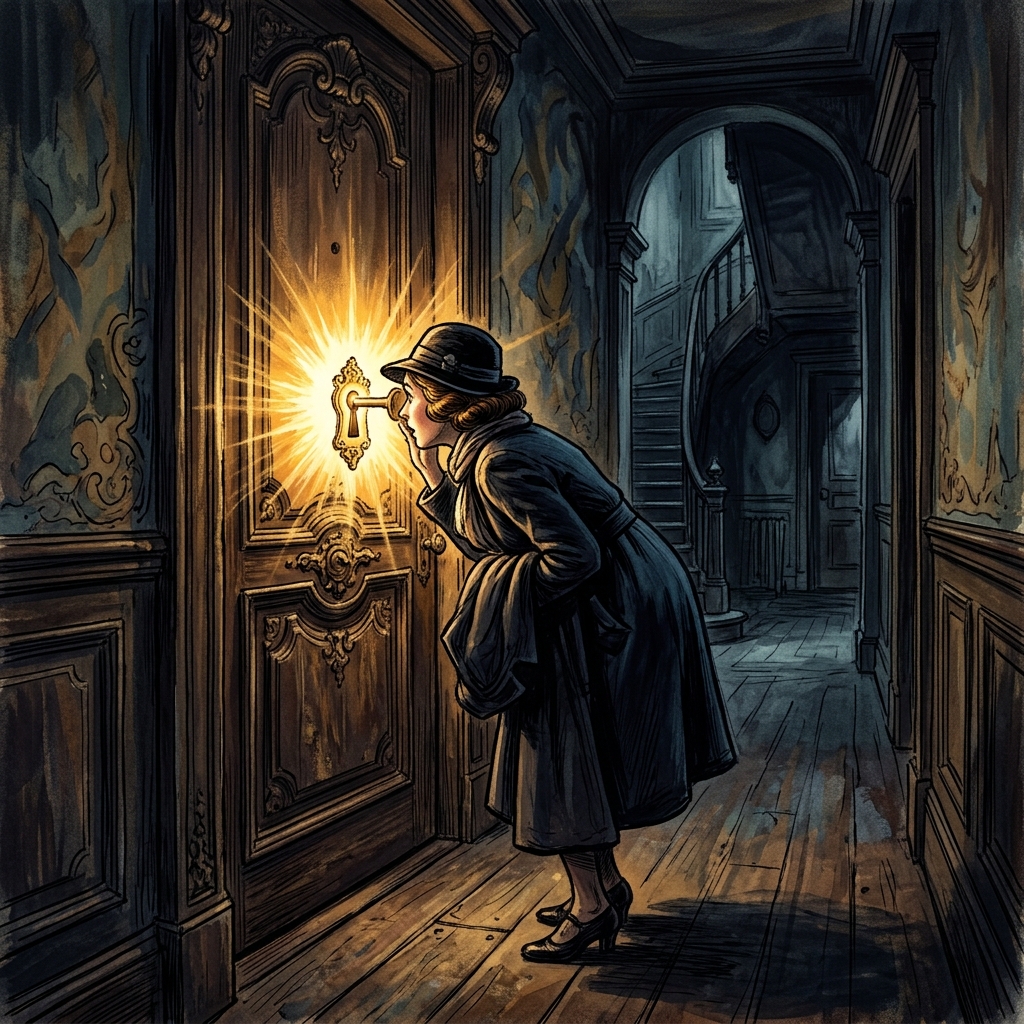
Most book descriptions read like plot summaries. That’s why they don’t sell.
A summary tells the reader what happens. A blurb makes them desperate to find out. Those are different jobs, and confusing them is where launches fall apart.
The structure that works has three parts. Establish your character and their ordinary world in one or two sentences—enough context to care. Name the problem that shatters that world. Then end on the specific question the reader can only answer by reading.
That last part is where most blurbs collapse. Writers reach for plot questions: Will she escape? Will they find the killer? Plot questions are weak because the reader suspects the answer. Character questions carry weight. “Will she survive?” already has a presumed answer. “Will she become the thing she’s spent her life running from?” stays open.
The specific question creates investment. It tells the reader what the book is really about—not the events, but the cost.
One more thing: don’t end your blurb with a call to action. “Get the book today!” The blurb itself is the call to action. End on the question and trust it.
Take your current blurb. Find the one character question at the heart of your story. Put it last. Cut everything that happens after the inciting incident.
Want more craft lessons like this—plus personal feedback from me? The Authors Success Bundle Pro gives you access to all 20 Writing Academy courses. Special offer: subscribe now for 70% off—just $29/month
📝 Free Manuscript Checklist
Subscribe and get the 25-point checklist my students use, plus the writing resources you choose.