The Deadpan Rule: Why Trying to Be Funny Makes Your Comedy Fall Flat
Writers who try to be funny usually aren’t.
I’ve seen this pattern hundreds of times in student manuscripts. A character makes a wry observation. Another character responds: “Very funny, Ellen.” The first character smirks. The reader does not smile.
The problem is the author signaling that a joke just happened. Real comedy doesn’t wink at you. It commits.
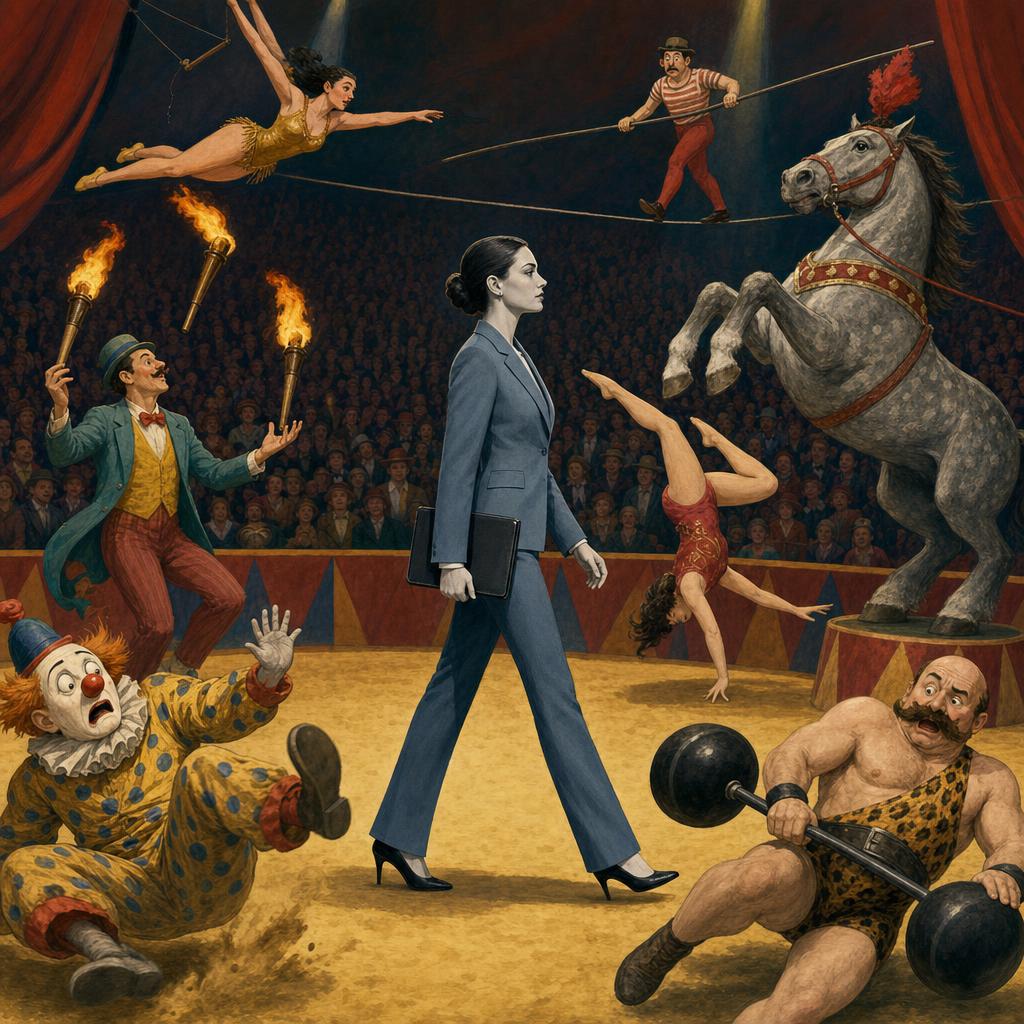
The funniest characters in fiction—Elizabeth Bennet, Bridget Jones, Stephanie Plum—don’t know they’re in a comedy. They’re desperately trying to survive their lives. Bridget isn’t performing for you; she’s trying not to drown. The humor comes from the gap between her anxious sincerity and our outside perspective.
Call it the deadpan rule: comedy lives in a character’s total commitment to a ridiculous goal. The moment the author leans in to make sure you noticed the joke, the joke dies.
Test your funny scenes this way. Read each line of dialogue and ask whether the character seems aware she’s being amusing. If she does—if there’s a hint of performance—cut it. Replace self-awareness with earnest desperation. The reader will laugh. The character won’t know why.
Comedy is what happens when your character takes her absurd, losing battle with the world completely seriously.
Want more craft lessons like this — plus personal feedback from me? The Authors Success Bundle Pro gives you access to all 20 Writing Academy courses. Special offer: subscribe now for 70% off — just $29/month
📝 Free Manuscript Checklist
Subscribe and get the 25-point checklist my students use, plus the writing resources you choose.