The Three Ways to Deliver Backstory—and Why Two of Them Stall Your Story
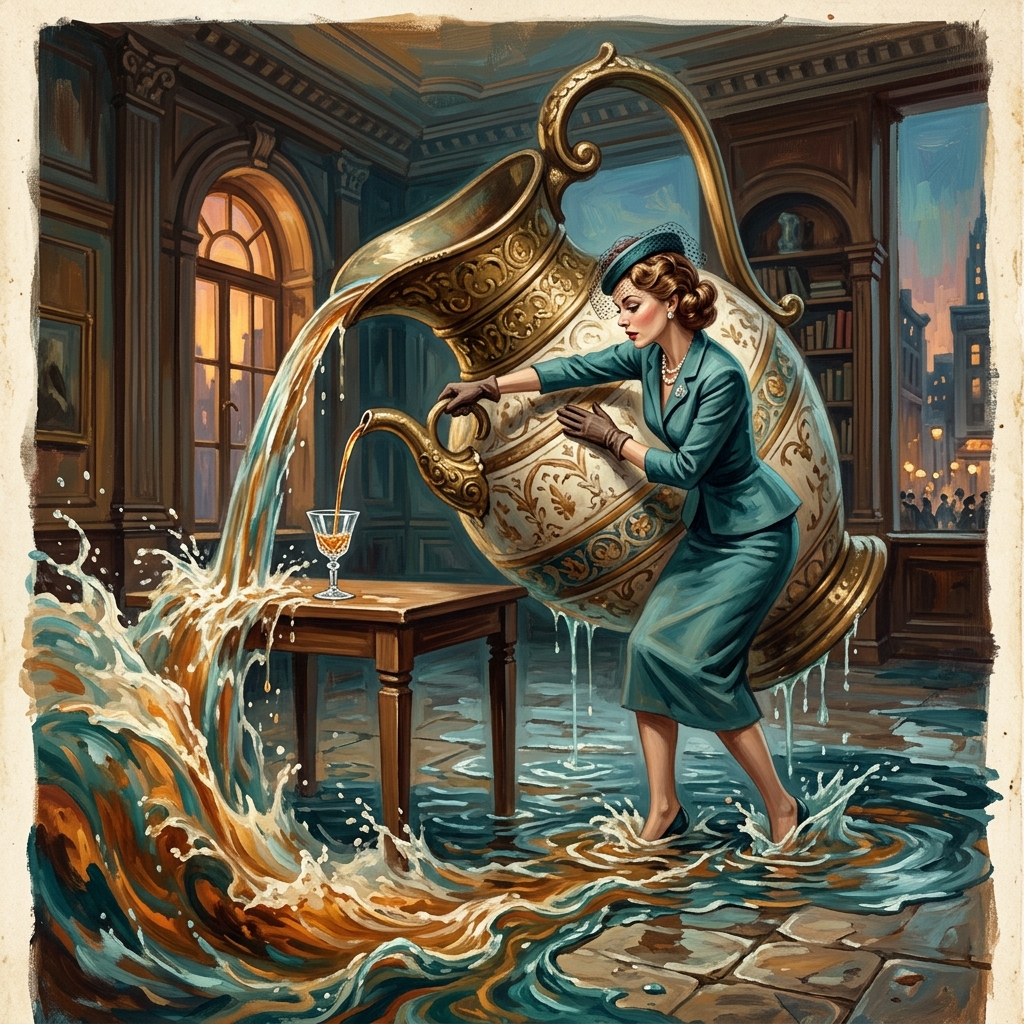
“As you know, Bob, our family was killed in the fire 12 years ago” is the most mocked line in fiction writing—because we all know characters don’t talk that way.
But I see the same mistake in every form. The info dump paragraph. The flashback that explains everything before the story needs it. The chapter that stalls while the narrator catches us up.
There are really only 3 ways to deliver background information: stop the story and explain it (the info dump), have characters tell each other what they both already know (the Bob problem), or weave it into active scenes through what characters notice, need, and decide.
The third one works. The others slow readers down at the exact moment they’re deciding whether to keep going.
Here’s the test I give students: if you removed the expository passage, would the reader still understand what’s happening in the next scene? If the answer is yes, the exposition wasn’t earning its place.
The deeper problem is that we write what we know about our world—not what the reader needs right now. You’ve built an entire history. You don’t have to deliver it in chapter one.
Take your next info dump and ask: what’s the minimum the reader needs right now? Not eventually. Right now. Cut the rest. It can come later—through action, conflict, through what your protagonist risks to protect.
Want more craft lessons like this—plus personal feedback from me? The Authors Success Bundle Pro gives you access to all 20 Writing Academy courses. Special offer: subscribe now for 70% off—just $29/month
📝 Free Manuscript Checklist
Subscribe and get the 25-point checklist my students use, plus the writing resources you choose.