What Your Character Notices Tells Everything
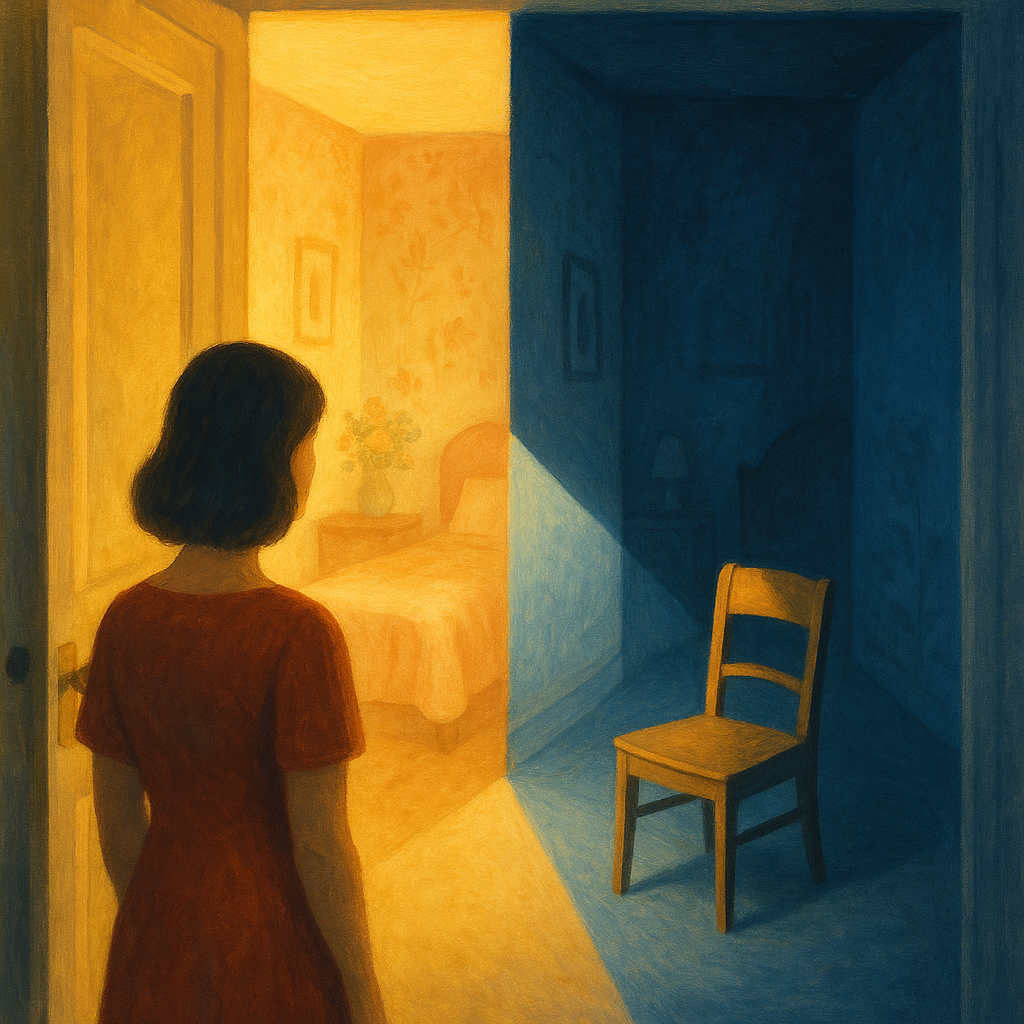
Most setting descriptions read like the writer paused the story to file a property report.
“The room was large, with high ceilings and antique furniture.” We’ve all written it. It tells the reader nothing about the character experiencing it.
The fix: filter every detail through your POV character’s emotional state. Whatever she notices should be determined by who she is and what she’s feeling right now — not by the room’s actual features. The same space looks completely different to a woman who grew up wealthy and a man who’s never owned real furniture. Two people walking into the same diner after an argument will notice different things.
One of the most common revision notes I give students: strip the neutral setting paragraph and rebuild it from inside the character’s head. Whatever your protagonist notices should tell us something about who she is in this moment, not just where she is.
Try this today: take any setting paragraph in your current draft. Ask yourself — could this exact paragraph appear in someone else’s story? If yes, it’s generic. Rewrite it so that only your character, in this specific emotional moment, would notice these specific things. A woman waiting for bad news doesn’t see a cheerful waiting room. She sees the water stain on the ceiling tile directly above the chair where she always sits.
Want more craft lessons like this — plus personal feedback from me? The Authors Success Bundle Pro gives you access to all 20 Writing Academy courses. Special offer: subscribe now for 70% off — just $29/month
📝 Free Manuscript Checklist
Subscribe and get the 25-point checklist my students use, plus the writing resources you choose.