Why Most Short Stories Are Really Chapter One of a Novel
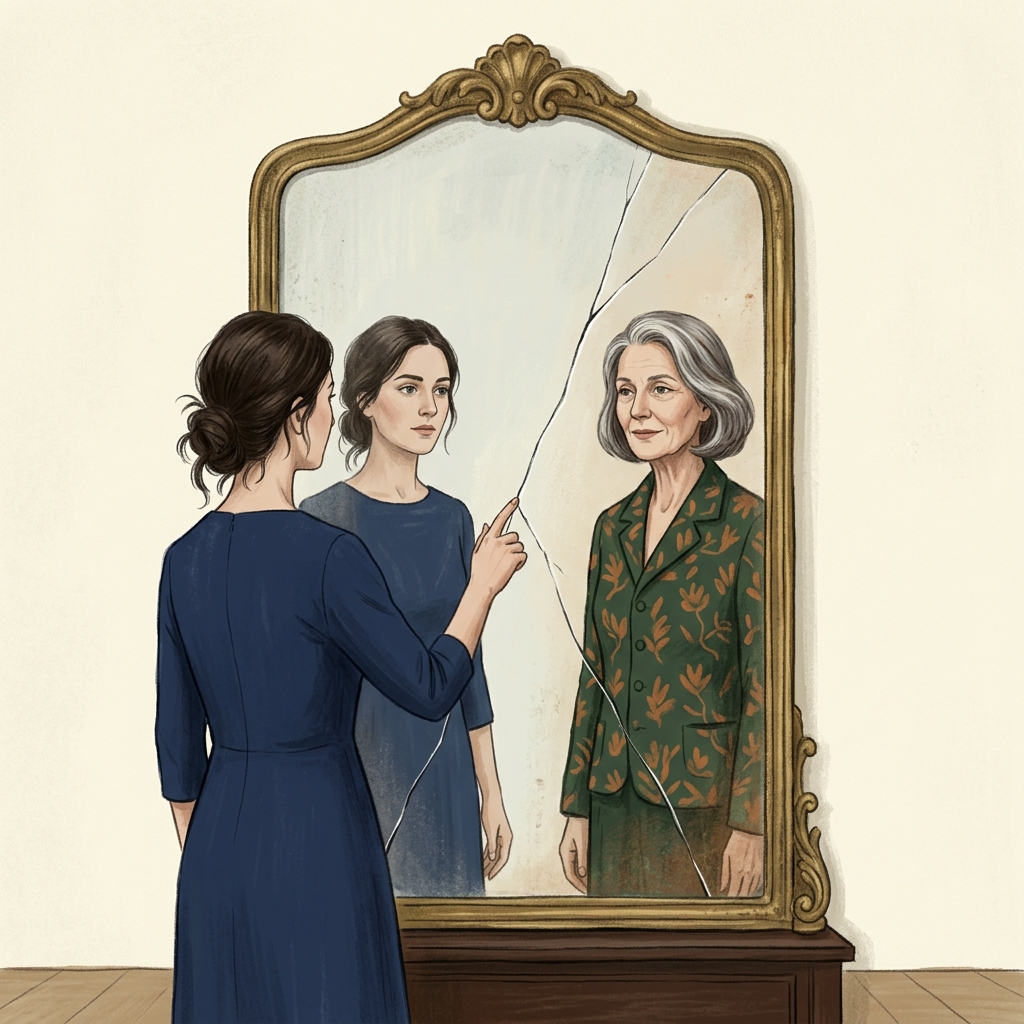
Most writers treat short stories like compressed novels. The form has a single job: show one moment of irreversible change.
A novel carries multiple characters, intersecting problems, a web of subplots. A short story can’t. The only territory is one crack in a life, and what fell through.
The student stories that don’t work share the same flaw: they’re chapter one of a novel. They introduce a protagonist, establish conflict, hint at backstory—then end because the writer ran out of space, not because the story found its conclusion.
A short story’s ending must feel inevitable from the first paragraph. The opening image should contain, in compressed form, exactly what the ending pays off. Not foreshadowing—something closer to a rhyme.
My test: can you say in one sentence what changed? Not what happened—what changed? If the answer is “a lot” or “you’ll see,” it’s not a short story yet.
Exercise: take your opening image and ask what its mirror looks like at the end. If they don’t rhyme, you haven’t found the story.
Want more craft lessons like this — plus personal feedback from me? The Authors Success Bundle Pro gives you access to all 20 Writing Academy courses. Special offer: subscribe now for 70% off — just $29/month
📝 Free Manuscript Checklist
Subscribe and get the 25-point checklist my students use, plus the writing resources you choose.