Don’t Invite Nine People to Chapter One
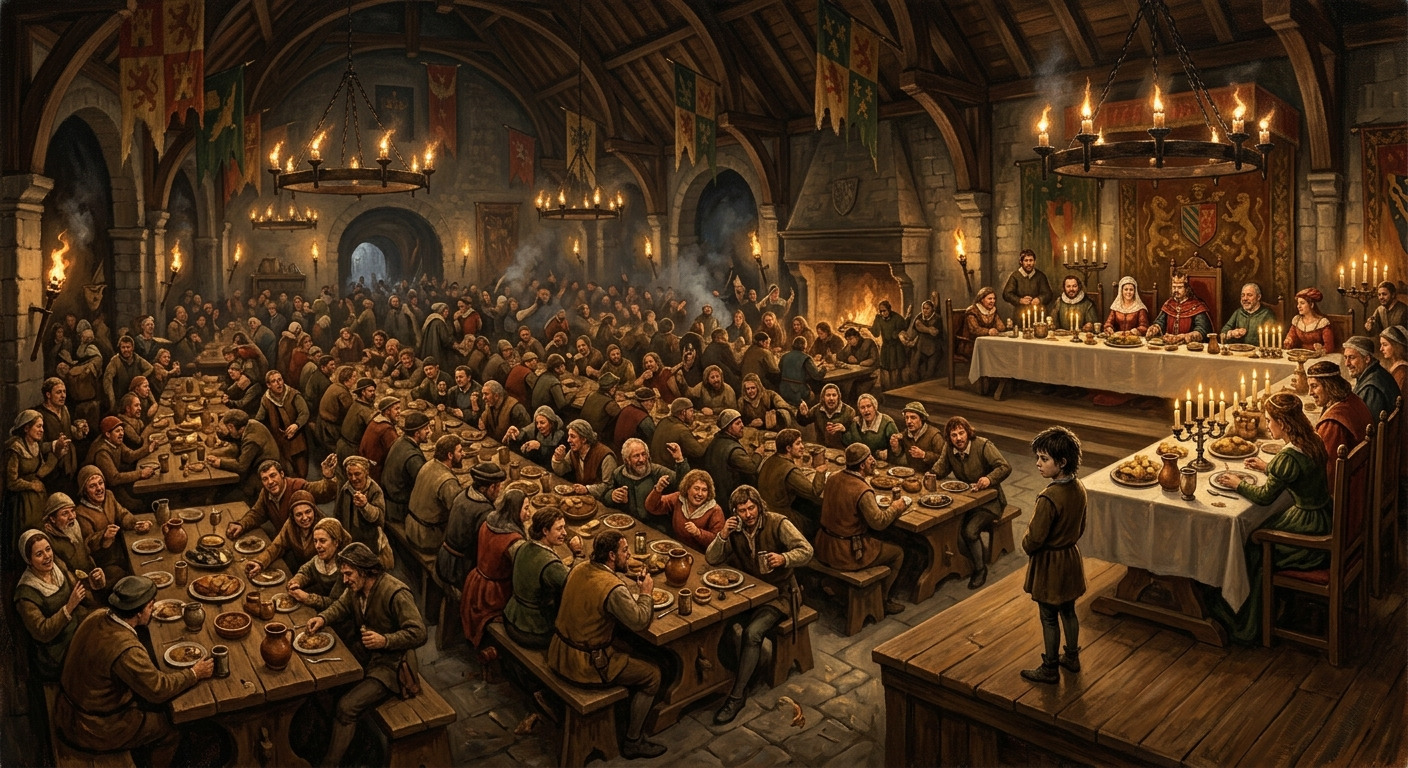
A reader who’s known your characters for 3 pages will not sit still for a scene with 8 of them.
Every new name is a small withdrawal from the reader’s attention. On page 12, they’re still deciding whether they like your protagonist; introduce a sister, 2 coworkers, and a bartender with a tragic backstory in the same chapter, and they start skimming, hunting for the one person they came for.
Somewhere around chapter 14, everything changes. Now the reader knows these people. A 20-page family dinner with everyone talking over each other becomes a treat. They want to watch the brother-in-law and the ex-partner circle each other across the table.
The reader’s patience is an account you fill, scene by scene. Early scenes should be short and lightly populated: 2 or 3 characters, one room, one question. The crowded ensemble scenes are a reward, and rewards come after investment.
Look at how A Game of Thrones begins. Bran’s early chapters are small rooms—a family, a tower, one execution. The royal feast works because you’ve met every Stark alone first. By the time 40 bannermen fill the long table, each one is somebody you know.
If your story genuinely demands a crowd on page one, steal the trick from The Godfather’s wedding. Michael explains each new face to Kay, and the mob of guests stays background until somebody steps forward. One confused pair of eyes can hold a whole crowd in frame.
Pull up your first 3 chapters. In each scene, count the named characters and the words. Any scene before chapter 4 carrying 5 or more names is a suspect. Cut the guest list, or compress the scene and push the full gathering deeper into the book, where the reader’s investment pays for it.
I wrote a whole book about fixing scenes like these. How to Fix Your Novel covers scene structure, openings, and every place a manuscript quietly stalls.