The Comma Splice Is a Promise Your Sentence Can’t Keep
Two complete sentences sharing a bare comma read as breathlessness: a run-on with better posture. The fix isn’t just grammar; each join says something different, and the semicolon says it best.

Two complete sentences sharing a bare comma read as breathlessness: a run-on with better posture. The fix isn’t just grammar; each join says something different, and the semicolon says it best.
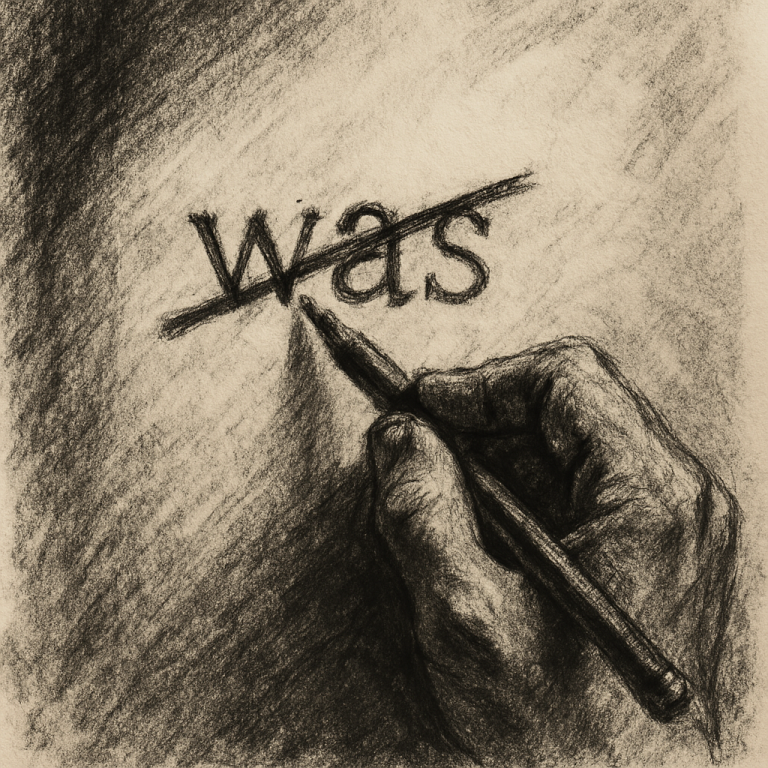
“She was walking toward the door.” “He had been thinking about it.” “They were running.” Every one of those sentences has a verb buried inside it. The verb is hiding behind a helping verb, draining the energy out of the sentence. Was walking. Had been thinking. Were running. The helping verb turns a strong action…

If Your Scene Feels Sluggish, Search For “Began To” She began to walk toward the door. He started to speak. The sky began to darken. Each of those sentences has a verb doing half its job. “Began to walk” means the character might walk, or might not. “Started to speak” means the words might come…

Most writers treat paragraph breaks as accident. You write until a thought finishes, hit return twice, start the next thought. The break is just where one block of text ends and another begins. The blank line between paragraphs is the strongest pacing instrument in prose. Short paragraphs in succession create urgency. The reader’s eye moves…
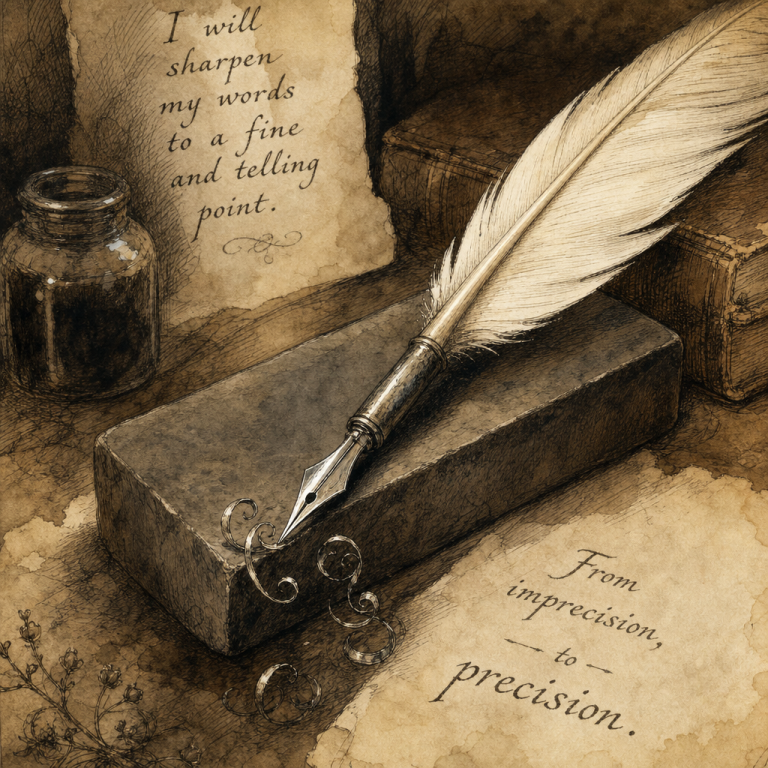
“She walked quickly across the room.” Seven words, and three are working harder than they need to. “Quickly” is telling you what “walked” failed to show. The sentence has a good verb, but it is asleep on the job, so an adverb got hired to compensate. “She strode.” One word. The verb does everything “walked…
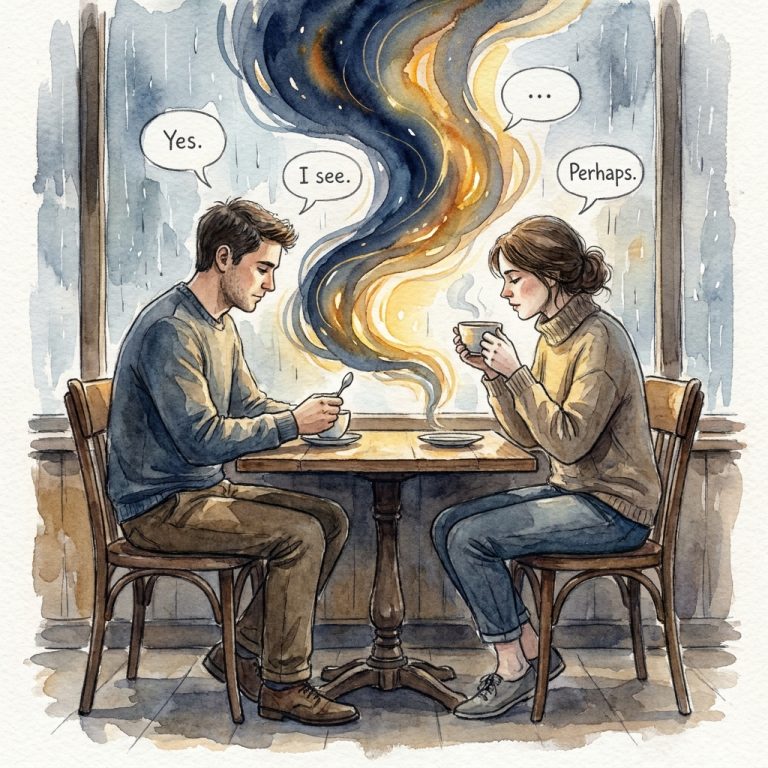
A character says “I’m fine” after learning her sister got the promotion she wanted. She’s not fine. Every reader knows it. What earns their attention is whether she’ll keep pretending, and at what cost. That gap between what characters say and what they mean is subtext. Most first drafts collapse it. The writer wants to…

A coffee mug with three days of dried rings tells the reader more about your character than a whole paragraph describing her apartment. Writers default to the camera pan. The desk, the bookshelves, the window overlooking the parking lot. It reads like a set designer’s notes, and the reader skims right past it. One detail,…

Characters who think too much on the page stop your story cold. A protagonist considers her options, weighs the risks, remembers something from her childhood, and three paragraphs later she still hasn’t opened the door. The reader stopped waiting somewhere around paragraph two. Internal monologue is a trust problem. The writer doesn’t trust the scene…

Tension lives at the sentence level. Most writers think tension means car chases and ticking bombs. They write their high-stakes scenes carefully and rush through the quiet ones. Then a beta reader says “I got bored around chapter 3,” and the writer is baffled, because chapter 3 is where the body drops. What kept the…

Most writers are terrified of the gap between scenes. So they build little bridges. “She drove home, made dinner, watched some TV, and went to bed. The next morning…” Three sentences of nothing to get the reader from Tuesday to Wednesday. Cut all of it. The white space is the bridge. Readers are smarter than…
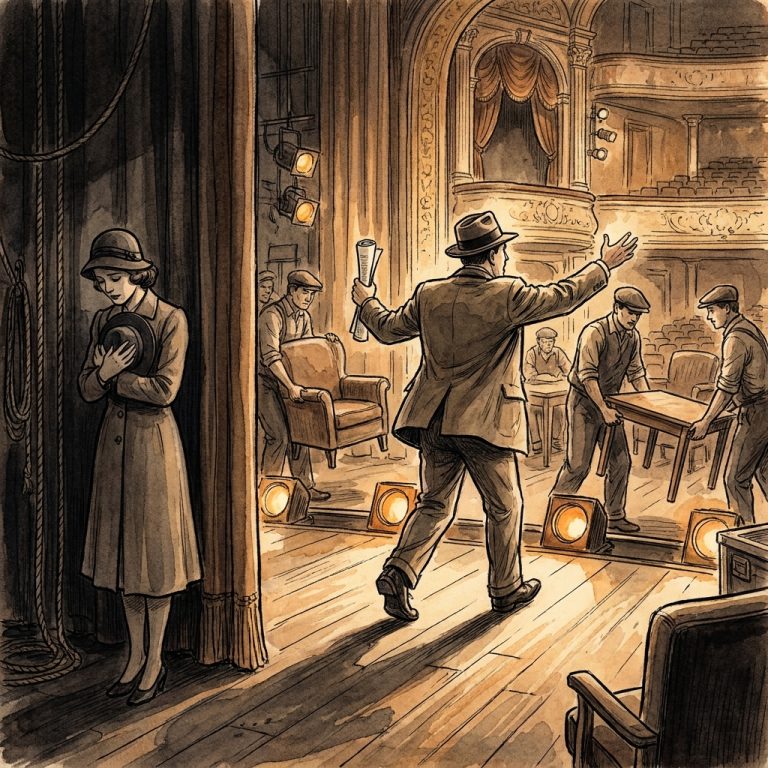
Most writers have the pacing backwards. A fight scene gets every punch described in slow motion. A character discovers her husband has been lying for 20 years, and the writer gives it one sentence: “She felt betrayed.” The fight takes 800 words. The realization that rewires her whole life takes 12. Narrative time should slow…
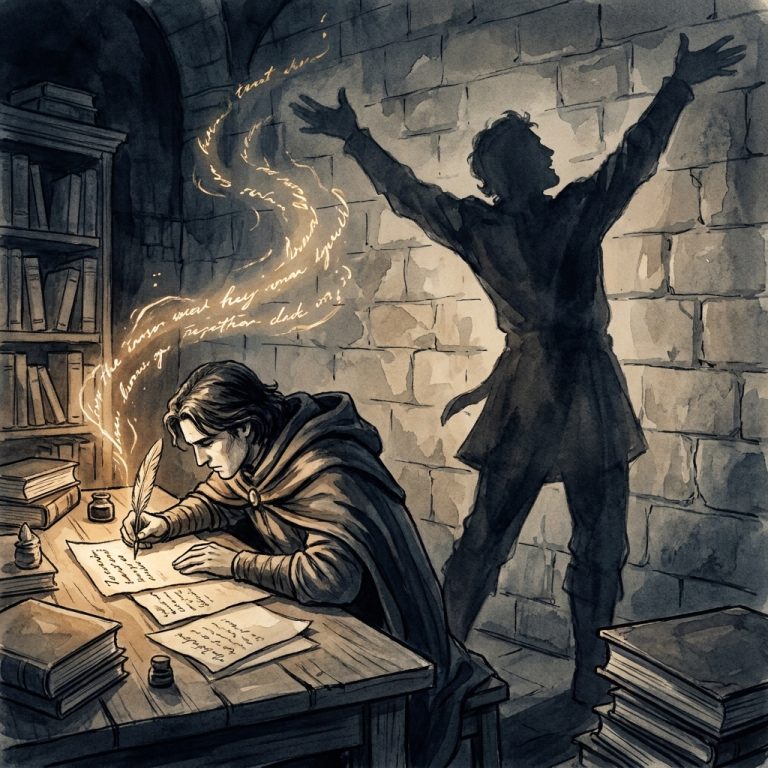
Your narrator is lying to you. The question is whether it’s on purpose. Every narrator is unreliable to some degree—they can only report what they notice, and what they notice reveals what they believe. The dangerous kind is the narrator who doesn’t know they’re wrong. Here’s the tell: your narrator never questions their own interpretation…
Sign up and get the 25-point checklist my students use — plus the writing resources you choose.