Backstory Is Whatever Still Presses on the Present
Ask a writer what backstory is and you’ll usually get the filing cabinet answer: where the character was born, what her parents did for a living, the year everything went wrong. So they write the biography, drop it into chapter two, and wonder why the story stalls the moment the drawer opens.
The filing cabinet is the wrong model. Backstory isn’t your character’s history. The history can sit in your notes forever, and the novel won’t miss a page of it.
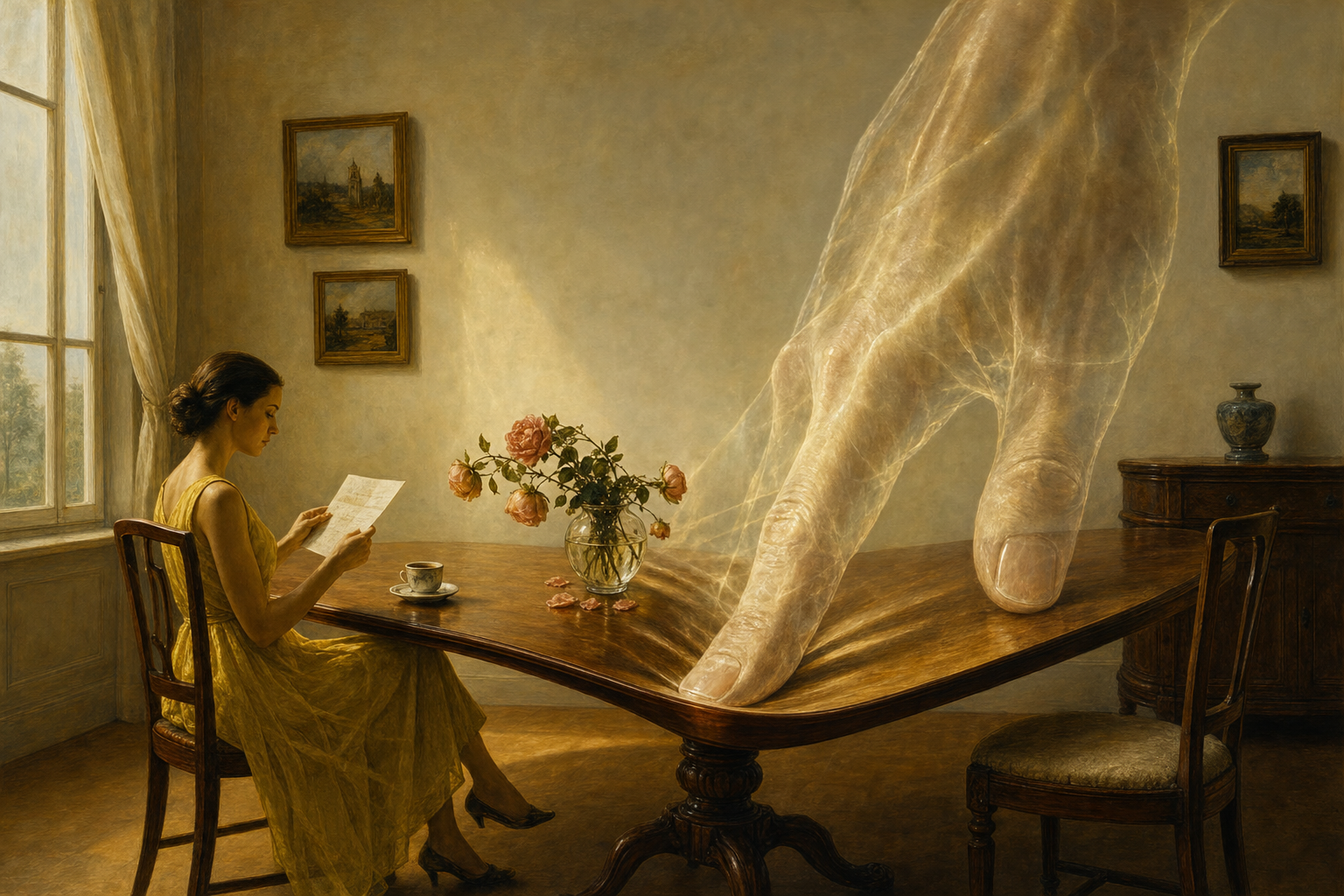
Backstory is whatever piece of the past is still applying pressure on the present. Not what happened before. What still bites.
That definition changes where you look. You don’t identify backstory by excavating the past. You identify it by studying the scene you’re in. A man refuses to set foot in the house where his brother died. That refusal is the present bent out of shape by something behind it, and that something is backstory. A woman checks the mailbox twice a day, then again at midnight. The habit presses; something is owed, or coming, or lost. Whatever explains that pressure is backstory. Her birthplace, her college major, her first job: none of it presses on anything. It’s biography. It can wait in the drawer.
This is also why character questionnaires produce such dead pages. Twenty questions about where your character went to school generate biography by the yard, and almost none of it will ever qualify as backstory, because backstory is decided in the present tense. It isn’t what you know about the character. It’s what the scene can’t stand up without.
Real backstory is usually one live pressure, not a whole life. A debt. A scar. A silence nobody will name. That’s why it needs so few words on the page: a flinch at a name, a detour around one street, an extra measure of caution. The past does its work through the present. It doesn’t need a monologue.
Take the last scene where your protagonist does something you didn’t plan. List three facts about her past, any three. Reread the scene with each one removed. The fact whose absence changes how the scene reads is backstory; put it back and let it keep pressing. The other two are biography. They can live in your notes forever, and the book will never miss them.