What Your Narrator Gets Wrong About Everyone Else
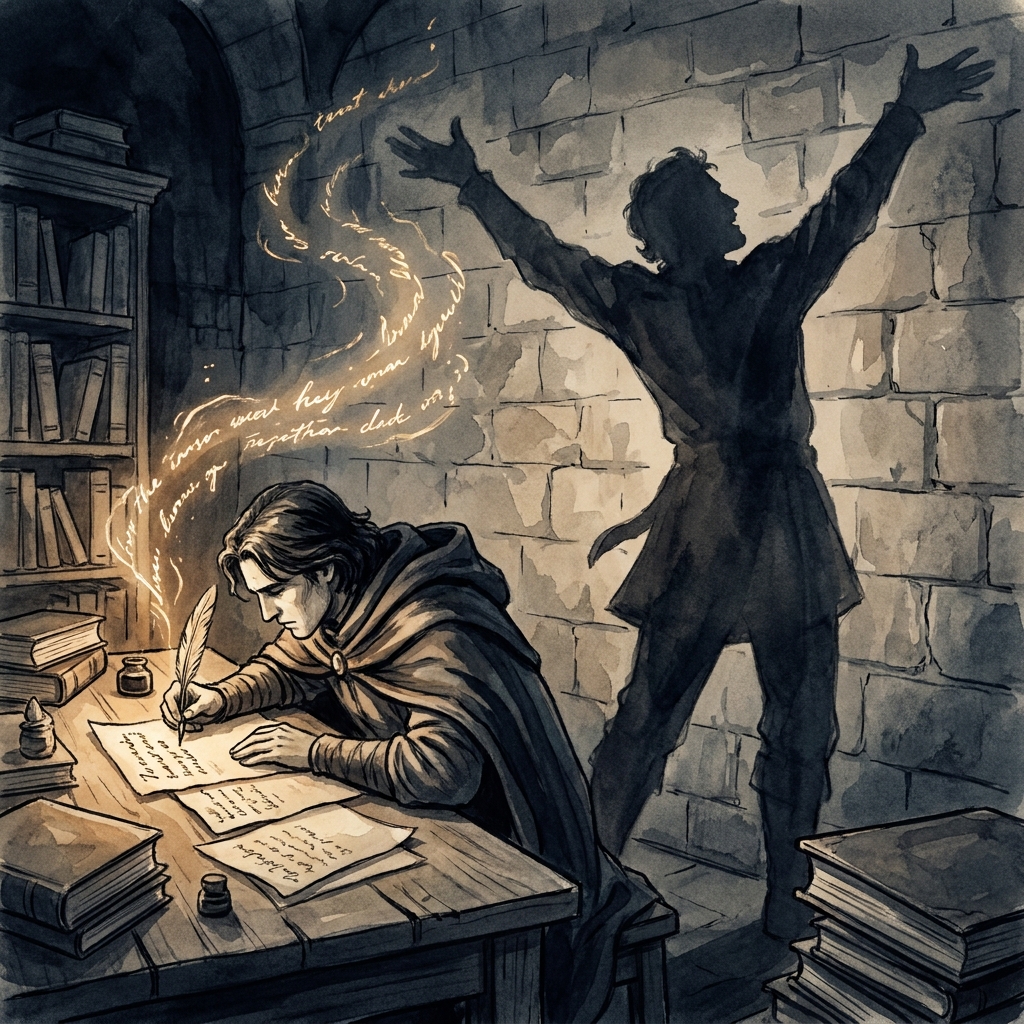
Your narrator is lying to you. The question is whether it’s on purpose.
Every narrator is unreliable to some degree—they can only report what they notice, and what they notice reveals what they believe. The dangerous kind is the narrator who doesn’t know they’re wrong.
Here’s the tell: your narrator never questions their own interpretation of other characters. They state conclusions as facts. “She was jealous.” “He ruined everything.” No gap between observation and judgment.
The test: highlight every interpretive claim your narrator makes about another character’s motive in your last 10 pages. Could the narrator be wrong about any of them?
If the answer is always no, you’ve written an all-knowing narrator disguised as a person. If the answer is sometimes yes, you’ve written a character.
The exercise: pick one moment where your narrator misreads someone. Write a paragraph from that person’s actual perspective. Don’t publish it—keep it as a reference. What the narrator misses is now your story’s subtext.
Continue your writing journey