The Most Powerful Line of Dialogue Is the One Nobody Says
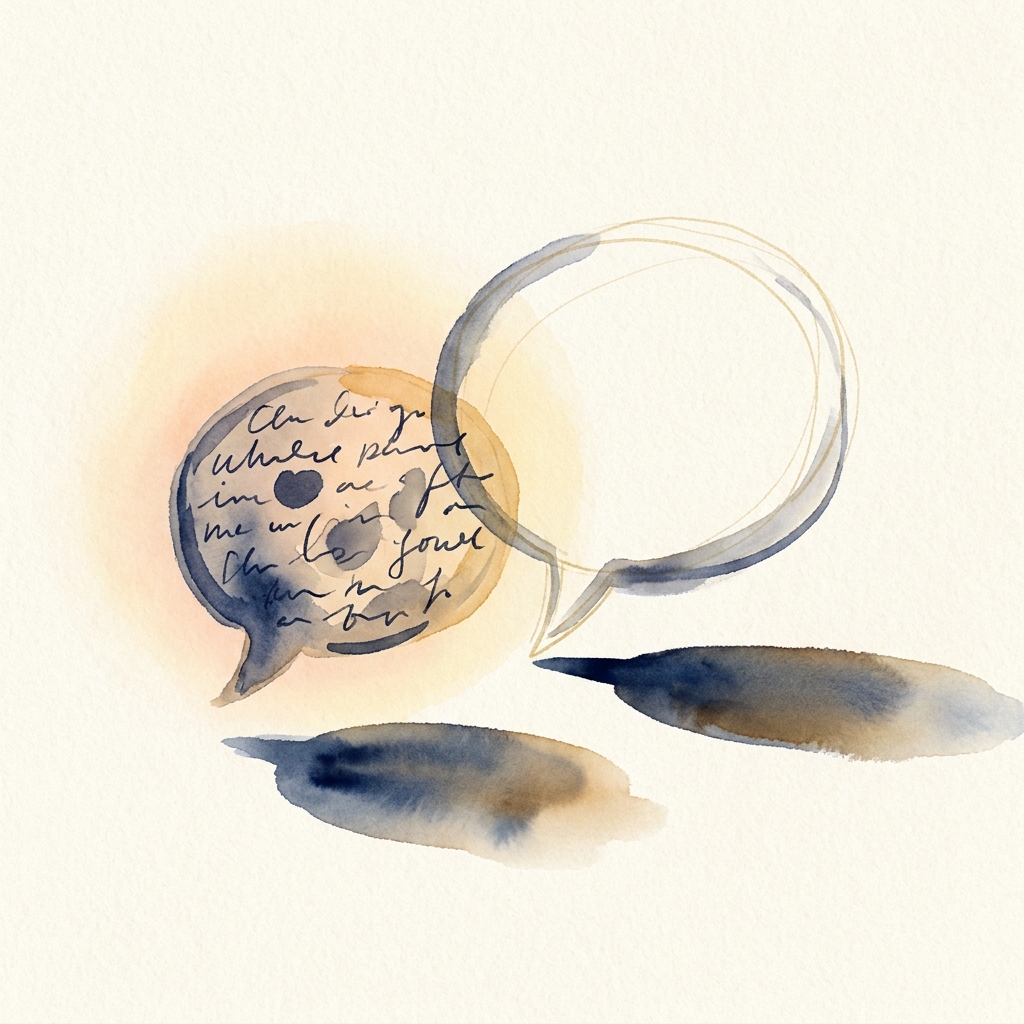
Most writers fill every pause in dialogue with words. One character asks, the other answers. The conversation moves forward, clean and utterly predictable.
Real people dodge questions. They change the subject. They pour more coffee. Sometimes they don’t answer at all—and the non-answer carries more weight than any line you could write.
Think about the last real argument where someone went quiet. The silence wasn’t empty. It was loaded with everything they chose not to say; the other person felt every word of it.
Silence works in fiction because the reader fills it. When a character refuses to respond, your reader projects their own worst fear or best hope into the gap. You can’t write anything more personal than what the reader invents for themselves.
The trick: the question before the silence has to be specific and loaded. “Are you okay?” gets shrugged off. “Did you read what she wrote about you?” followed by nothing—that hums.
Pick a scene where two characters are in conflict. Find the longest speech. Cut it and replace it with one physical action: she picked up her glass, he looked out the window, she started sorting the mail. Read the scene aloud. If the silence says more than the speech did, you found your revision.
Continue your writing journey