Your Most Memorable Character Needs a Real Contradiction
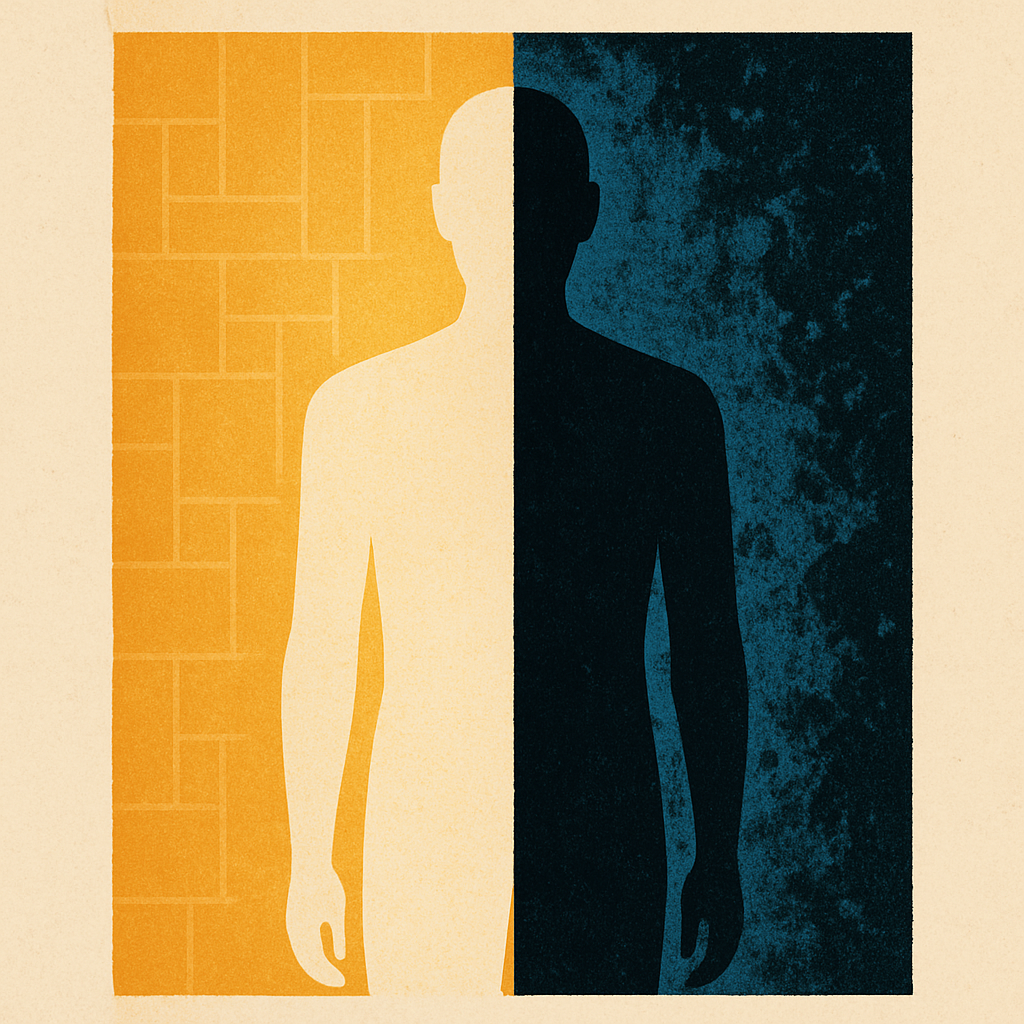
The flattest characters in fiction aren’t the nice ones or the evil ones. They’re the consistent ones.
Think about the people you actually know. Your friend who runs triathlons and chain-smokes. Your boss who’s ruthless in negotiations and cries at dog videos. Your sister the atheist who knocks on wood.
Real people contradict themselves constantly. Fictional people who don’t read as cardboard.
Most writers get this backwards. They add contradictions as decoration. A detective who likes jazz. A villain who paints watercolors. Quirky accessories bolted onto a single-note character, and the reader senses the ornament without feeling any pull.
A real contradiction is structural. The tough cop who’s fiercely protective can’t turn the protectiveness off when it matters. It makes her both good at her job and terrible at her marriage. Both sides pull in opposite directions inside the same scene, and the reader feels the tension because the character feels it.
Take Lisbeth Salander. Brilliant hacker, fiercely independent, physically vulnerable, emotionally armored. Her need for connection and her refusal to accept it run simultaneously through every scene. Neither trait is for show. Both cost her.
Open your manuscript to your protagonist’s most important scene. What two traits are colliding? If you can name only one driving trait, the character is thinner than they should be. If you can name two but they never create friction, the traits aren’t doing structural work yet.
List your protagonist’s three defining traits. Now write the opposite of each. Find the scene where the opposite shows up. If it doesn’t exist yet, you know what to write next.
Writing Academy has 22 courses and 640 lessons covering craft from every angle—structure, POV, voice, pacing, scene work, and more. All included with lifetime access for just $199. Browse the courses here.