Chapter Two Is Where Your Novel Stalls
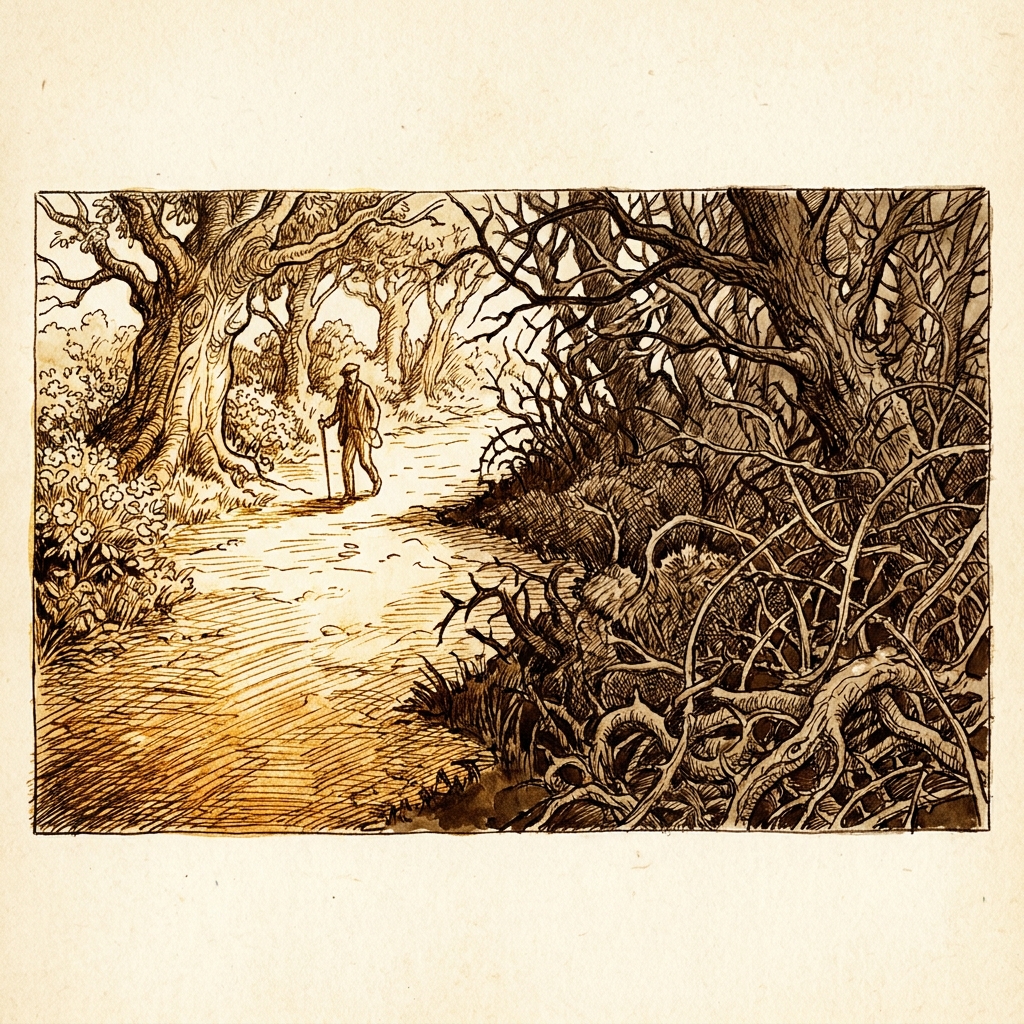
The first chapter cracks open. Something’s wrong, someone’s in motion, the reader turns the page. Then chapter two arrives and everything stops.
Writers know how to start. The opening hook is the fun part. But chapter two is where most manuscripts begin their slow slide into irrelevance, and the writer doesn’t notice because they’re still riding the momentum of chapter one.
Here’s what happens. Chapter one has tension because something is broken. The protagonist’s life is disrupted. The reader doesn’t know what’s coming. By chapter two, the writer starts explaining. Backstory fills the page. The protagonist’s childhood. The history of the town. The politics of the workplace. The reader came for the disruption and gets a Wikipedia article.
Chapter two should escalate, not explain.
The fix is mechanical. Read your second chapter and ask: does the protagonist’s situation get worse? If the answer is no, the chapter is treading water. Something in the protagonist’s world has to shift. A new demand. A complication. A reveal that narrows the protagonist’s options. The reader should close chapter two more worried than they were at the end of chapter one.
Open your manuscript to chapter two. Cross out every paragraph that explains something the reader doesn’t need to know yet. Count what’s left. If fewer than half the paragraphs contain forward motion, your second chapter is where your reader’s attention dies.
Writing Academy has 22 courses and 640 lessons covering craft from every angle—structure, POV, voice, pacing, scene work, and more. All included with lifetime access for just $199. Browse the courses here.