Your Character’s Wardrobe Is Already Telling on Them
Your character walks into a scene wearing the same outfit you described three chapters ago. Same jeans, same jacket, same everything.
That’s a missed opportunity. Every garment is a sentence about who this person is, how they see themselves, and what they’re hiding.
Jonathan Kellerman’s Alex Delaware series is a master class. Delaware’s casual clothes in clinical settings tell you he’s comfortable with authority but doesn’t perform it. He doesn’t need the suit. The absence of the suit IS the characterization.
Clothing works hardest when it contradicts the scene’s emotional register. A teenager wearing her best dress to a funeral she’s furious about attending. A man in a perfectly pressed suit visiting someone in intensive care. The garment fights the moment, and the reader feels the friction.
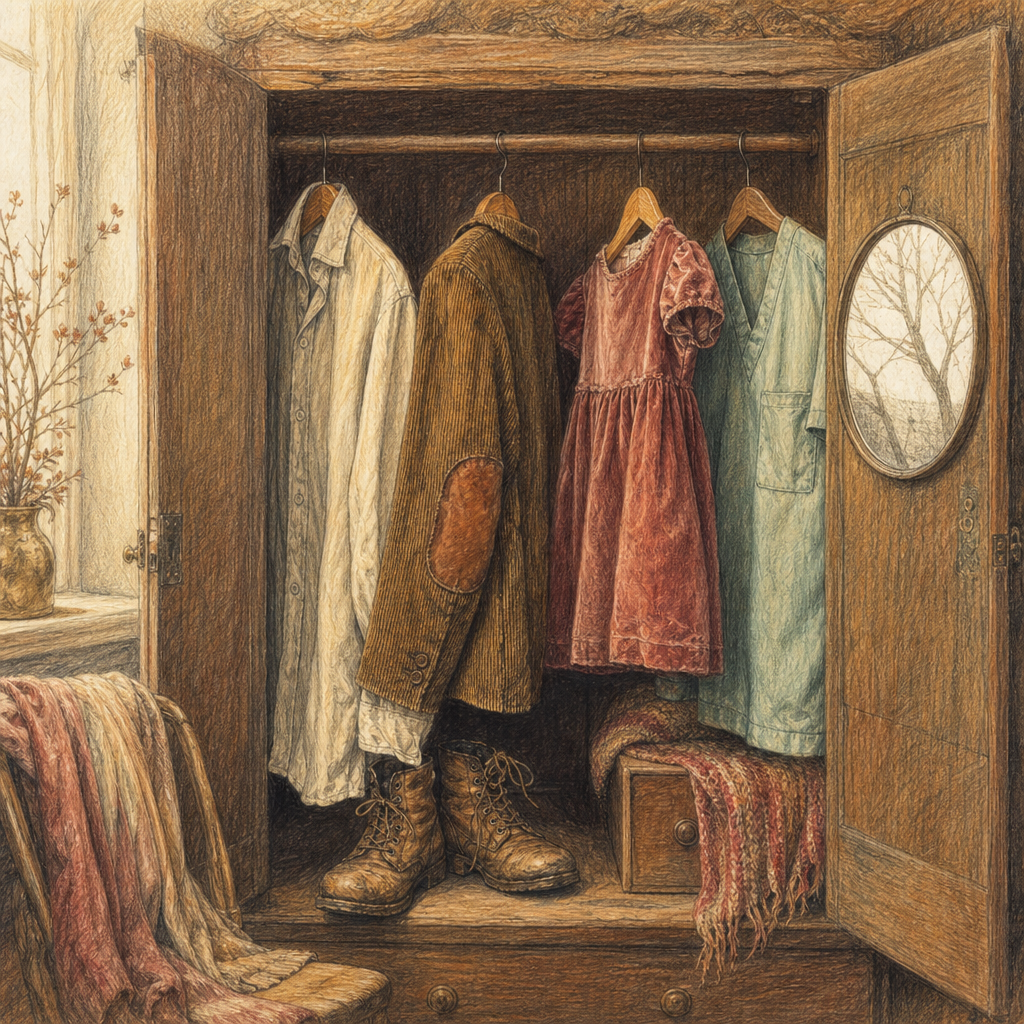
Don’t catalog outfits. Choose one garment per scene and make it carry weight. What does your protagonist reach for when she’s scared? What does she wear when she wants to be invisible? What’s the one piece she’d never give away, and why?
Open your current draft. Find three scenes where your character’s clothing goes unmentioned. At each one, add one garment detail that reveals something the dialogue doesn’t. Not a full description. One line. The scuffed boots she keeps wearing even though she can afford new ones. The collar she won’t stop adjusting. Let the wardrobe do the talking.
Writing Academy has 22 courses and 640 lessons covering craft from every angle—structure, POV, voice, pacing, scene work, and more. All included with lifetime access for just $199. Browse the courses here.