Every POV Character Needs a Scene Only They Can Narrate
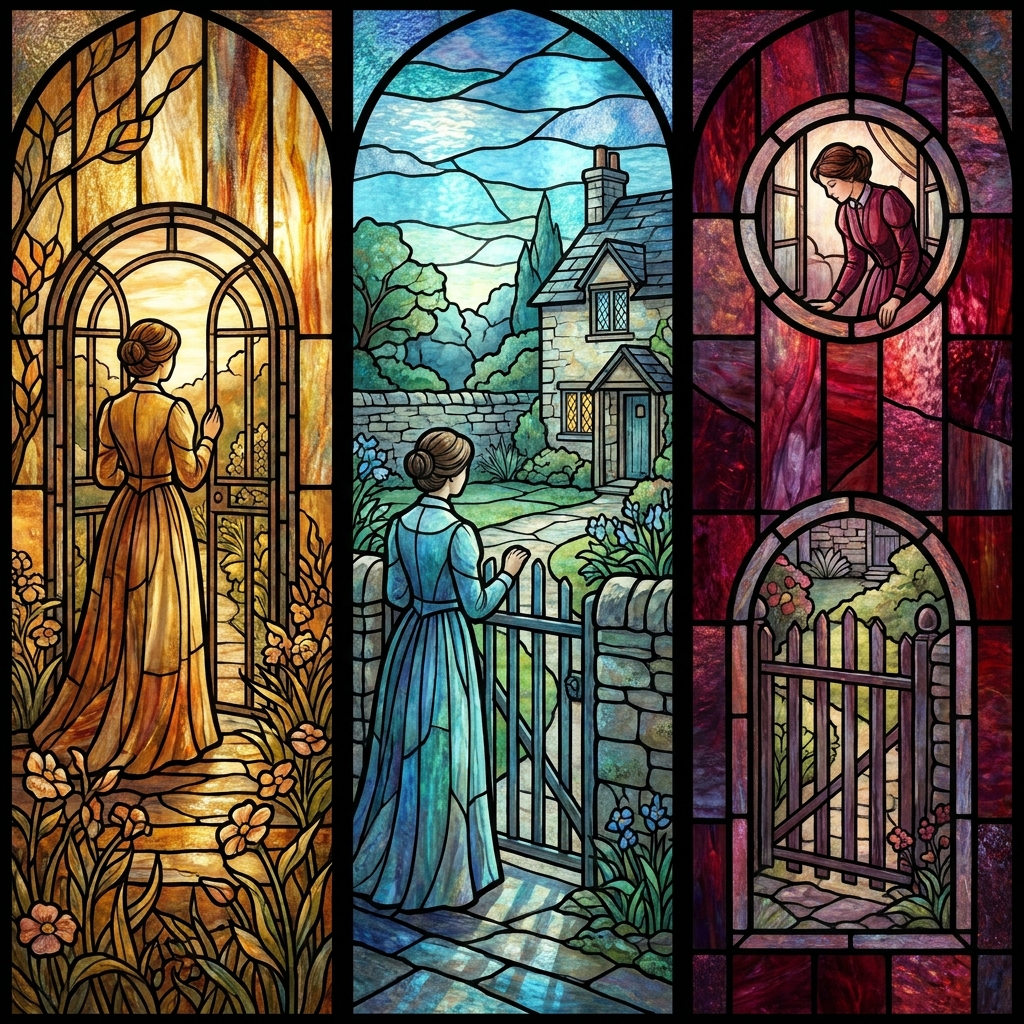
Multiple POV seems like a freedom upgrade. More perspectives, more access, more story. In practice, it’s the fastest way to dilute tension and confuse readers.
The problem isn’t switching perspectives. The problem is switching before the reader is invested in the current one. Every time you jump to a new POV, you’re asking the reader to start over. To care about someone new. To learn a new voice. That cognitive cost is real, and if you pay it too often, the reader stops paying attention.
The strongest multiple-POV novels have strict rules. George R.R. Martin gives each chapter to one character and never head-hops within a scene. The narrator stays in that character’s skull until the chapter ends. Liane Moriarty uses section breaks and distinct voices so the reader always knows whose head they’re in. The rule is simple: one POV per scene, no exceptions.
Before writing multiple POV, ask what each perspective adds. If character B sees the same events as character A, one of them is redundant. The best reason to add a POV is access to information the primary character can’t have. The detective doesn’t know what the killer is planning. The wife doesn’t know what her husband is hiding. If your second POV character doesn’t provide a view the reader genuinely needs, cut them.
List every POV character in your manuscript. Next to each, write the one scene only that character can narrate. If you can’t fill in that blank, that POV doesn’t belong in your book.
Writing Academy has 22 courses and 640 lessons covering craft from every angle—structure, POV, voice, pacing, scene work, and more. All included with lifetime access for just $199. [Browse the courses here](https://writingacademy.com/courses/).