The Conversation Your Characters Won’t Have Is the Most Important One
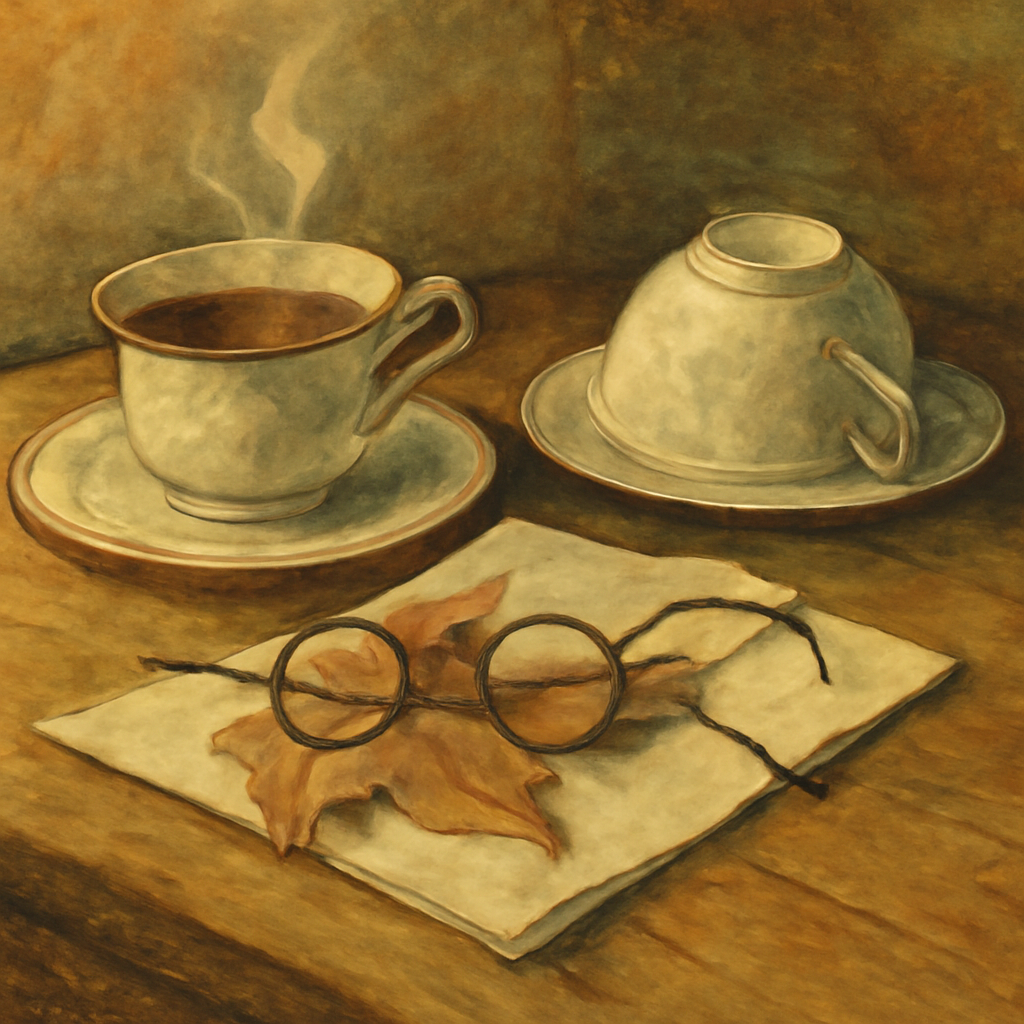
Two people sit at a dinner table. One says, “We need to talk about what happened Saturday.” The other picks up the salt shaker, examines it like evidence, and says, “Did you try the new restaurant on Maple?”
And there it is. The conversation has started. Just not the one anyone announced.
Writers treat topic changes as stage business. A character dodges, you write “she changed the subject,” and you move on to the real scene. But the dodge IS the real scene. What a character avoids tells the reader more than any confession.
Think about how this works at your own kitchen table. When someone says “fine” and asks about the weather, you know everything. The temperature in the room drops. The reader’s antenna goes up the same way.
The technique is older than novels. Chekhov built entire stories around what people refused to discuss. Raymond Carver made a career out of characters who talked about everything except the thing destroying them.
Here’s the exercise. Open your manuscript to any dialogue scene. Find the moment where a character is about to address the central tension directly. Now have them talk about something else. A household object. A neighbor. The weather. Something specific and ordinary.
Watch what happens to the scene. The reader leans in. The silence between the lines gets heavier. The other character has to decide: push, or play along.
That decision is character. That gap is tension. And you didn’t have to write a single argument to get there.
The subject your character won’t touch? That’s your scene. Everything else is the disguise.
Ready to fix your novel’s weak spots? Get How to Fix Your Novel — the step-by-step guide to diagnosing and repairing what’s keeping your manuscript from working.