An Em Dash Cuts Dialogue Short. An Ellipsis Lets It Trail.
Two punctuation marks. Same real estate at the end of a dialogue line. Opposite effects.
“You don’t understand, I never meant to—”
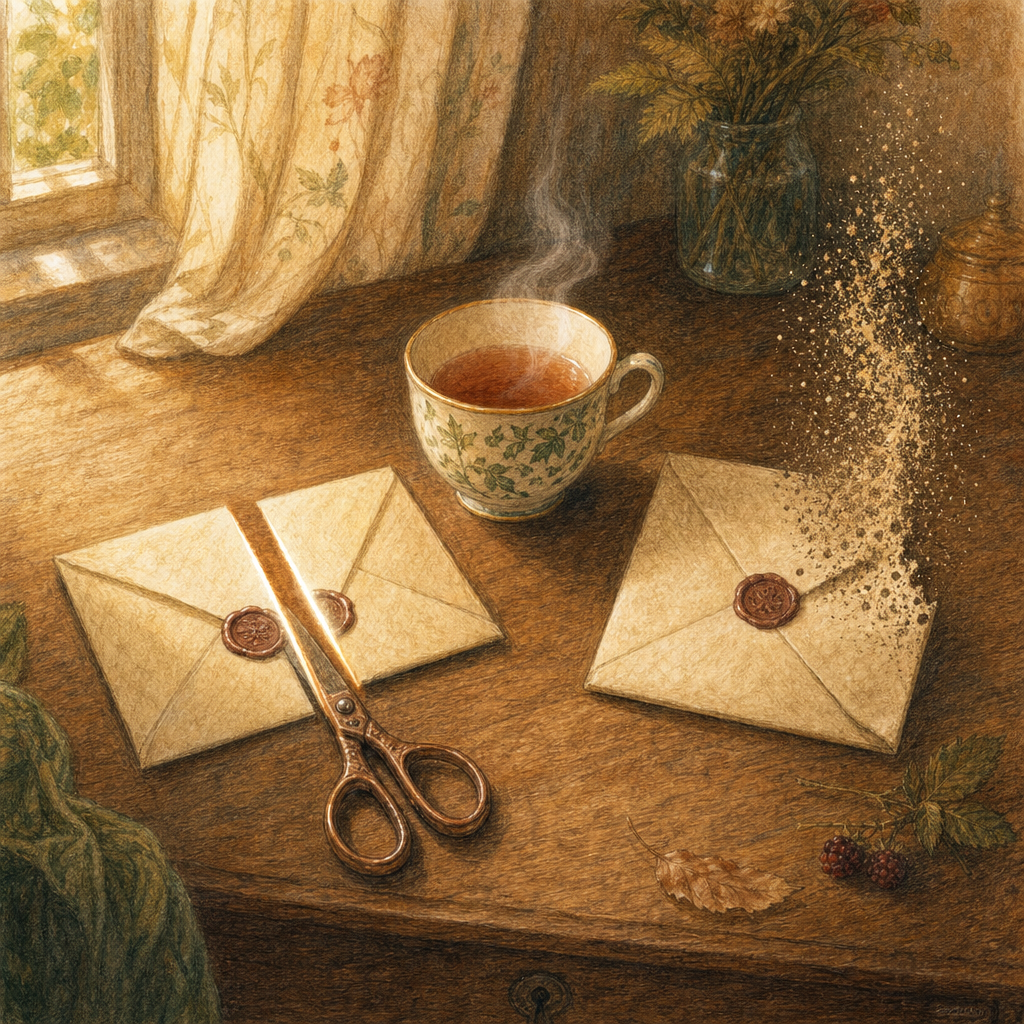
That em dash is a door slamming. The speaker got cut off. Maybe someone interrupted. Maybe the thought collided with something louder. Either way, the sentence didn’t end. It was killed mid-breath. The reader feels the violence of the interruption because the syntax broke.
“You don’t understand. I never meant to…”
That ellipsis is a door drifting open. The speaker ran out of nerve, or the thought dissolved before they could finish it. Nobody interrupted. The sentence didn’t stop; it faded. The reader leans forward because the silence carries weight.
Gillian Flynn uses both marks surgically in Gone Girl. Amy’s narration cuts hard with em dashes when she’s performing—controlled, interrupted by her own calculations. When the mask slips, the prose trails into ellipses, the confidence leaking out of the sentences like air from a slow puncture.
Most manuscripts use them interchangeably. That’s a missed opportunity. The difference between a dash and three dots is the difference between “I was stopped” and “I couldn’t continue.” One is external force. The other is internal collapse.
Open your current manuscript. Search for em dashes in dialogue. For each one, ask: is someone interrupting, or is the speaker trailing off? If nobody interrupted, swap the dash for an ellipsis and read it again. Then do the same with every ellipsis. If the thought was cut short rather than fading, it needs a dash. The fix takes five minutes. Your dialogue will sound like it has a pulse again.
Continue your writing journey