Broken on Purpose: The Difference Between Style and Accident
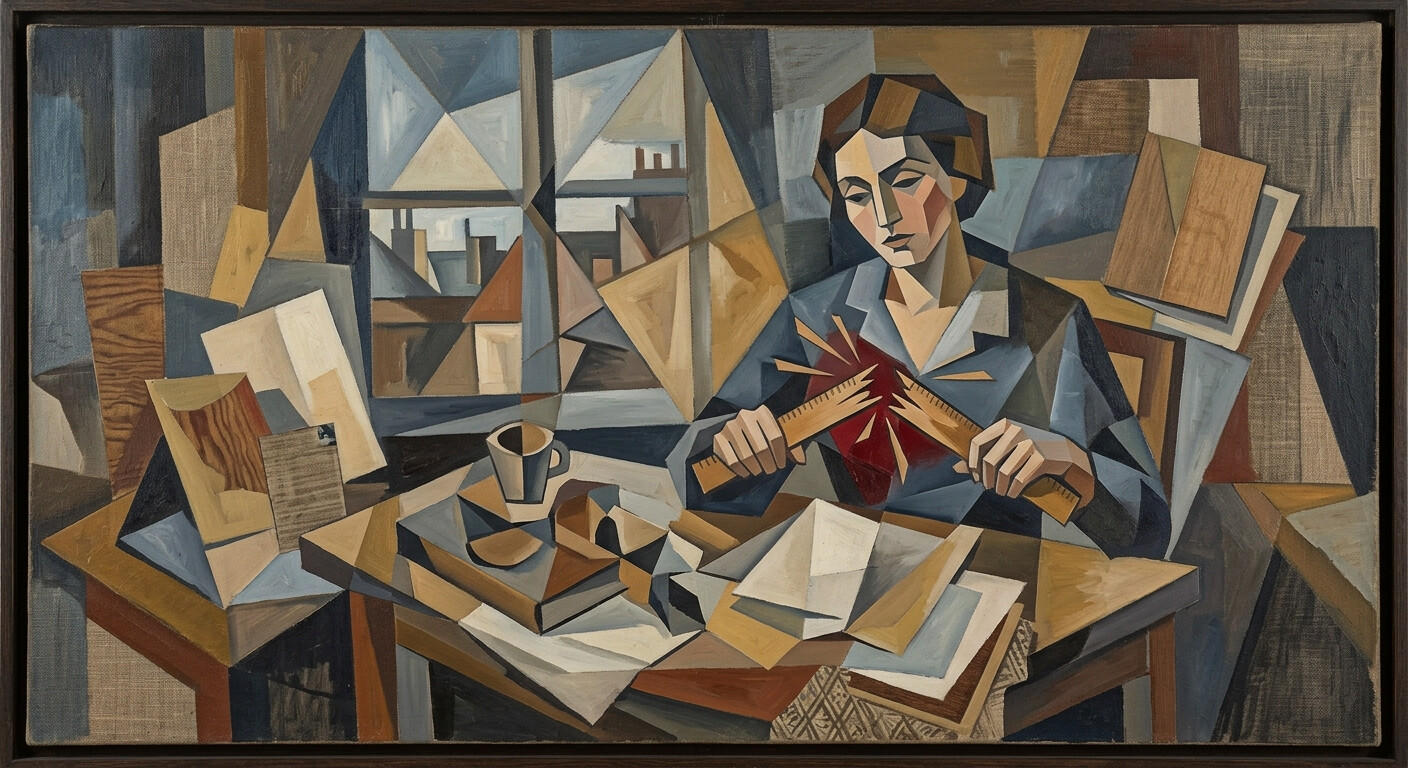
Fragments, dialect, a collapsed timeline. Readers feel the difference between style and accident even when they can’t name it.
The test is control. Did you choose it, or did it choose you?
Take sentence fragments. “He ran. Fast.” lands because the page around it proves the writer can build a long, rolling sentence when the scene wants one. The fragment is a downbeat placed by a musician who reads music. Choppy sentences page after page just mean the writer has one gear.
Elmore Leonard wrote dialogue in phonetic street talk and it sings, because the prose around it stays disciplined. Drop those same spellings into careless sentences and you get a typo farm. A broken thing only works inside visible competence.
My own bias: I like tidy manuscript mechanics, and I still vote for rule-breaking every time it’s deliberate. The trick is being honest about which kind you’ve got.
Pick the three most broken things in your current draft. The fragment storms, the missing quotation marks, the chapter told backward. For each one, write a single sentence explaining why it’s there. Anything you can’t defend is a repair ticket. The ones you can defend, break louder.
Continue your writing journey