Let Your World Work Offstage
Your story stops existing the moment your protagonist looks away.
That’s the quiet flaw in a lot of manuscripts: the world only exists inside the hero’s line of sight. Scene follows scene, nothing arrives from anywhere, and the villain does nothing until summoned. Readers feel it as flatness even when they can’t name it.
The fix costs two sentences. Somewhere your point-of-view character can’t see, the world keeps working. The collector is hiring movers two towns over. The insurance claim quietly fails. Somebody’s little brother decides to walk home alone. You don’t dramatize any of this; you just need to know it’s happening, so a trace can leak into a scene. An unfamiliar van in the neighbor’s driveway. A phone call cut short.
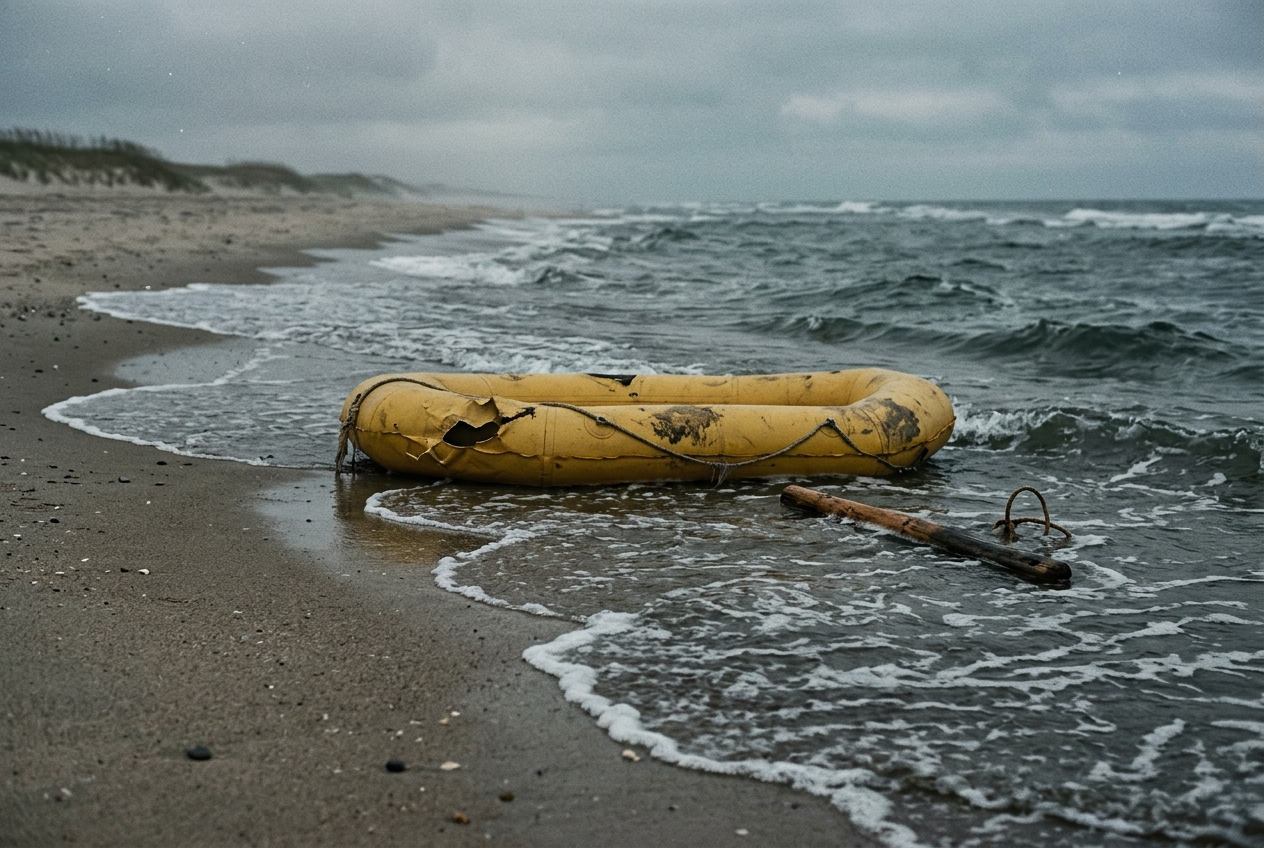
Jaws runs on this. For most of the film you never see the shark; you see what it leaves behind: a dog’s stick bobbing in the surf, a torn raft drifting toward a crowded beach. The world worked offstage, the evidence arrived onstage, and the audience did the worrying.
Take the quietest chapter in your work in progress. Write two sentences of offstage action your POV character cannot witness, then let one faint trace of them surface in the current scene, overheard or glimpsed or misread. Your reader starts worrying before anything arrives. That dread is free, and it makes the world feel like it continues past the edge of the page.
Writing Academy has 22 courses and 640 lessons covering craft from every angle—structure, POV, voice, pacing, scene work, and more. All included with lifetime access at Writing Academy.
#WritingCommunity #AmWriting #Foreshadowing #Suspense #StoryStructure #WritingTips