Your Clue Can’t Have Its Own Sentence
Somewhere in your manuscript, your most important clue has a sentence all to itself. Nothing else in it. That’s the problem. Readers don’t measure importance by plot; they measure it by prose. Whatever gets its own sentence gets flagged as important, and your clue is wearing a neon vest.
Bury it where attention skims. Three hiding places:
The list of three. “She swept the receipts, the pawn ticket, and the birthday cards back into the drawer.” Eyes glide across lists; the ticket hides between two dull neighbors.
The action sentence. Hitch the clue to a verb doing other work. “He wedged the door shut with the brass candlestick” plants a candlestick while the reader worries about the door.
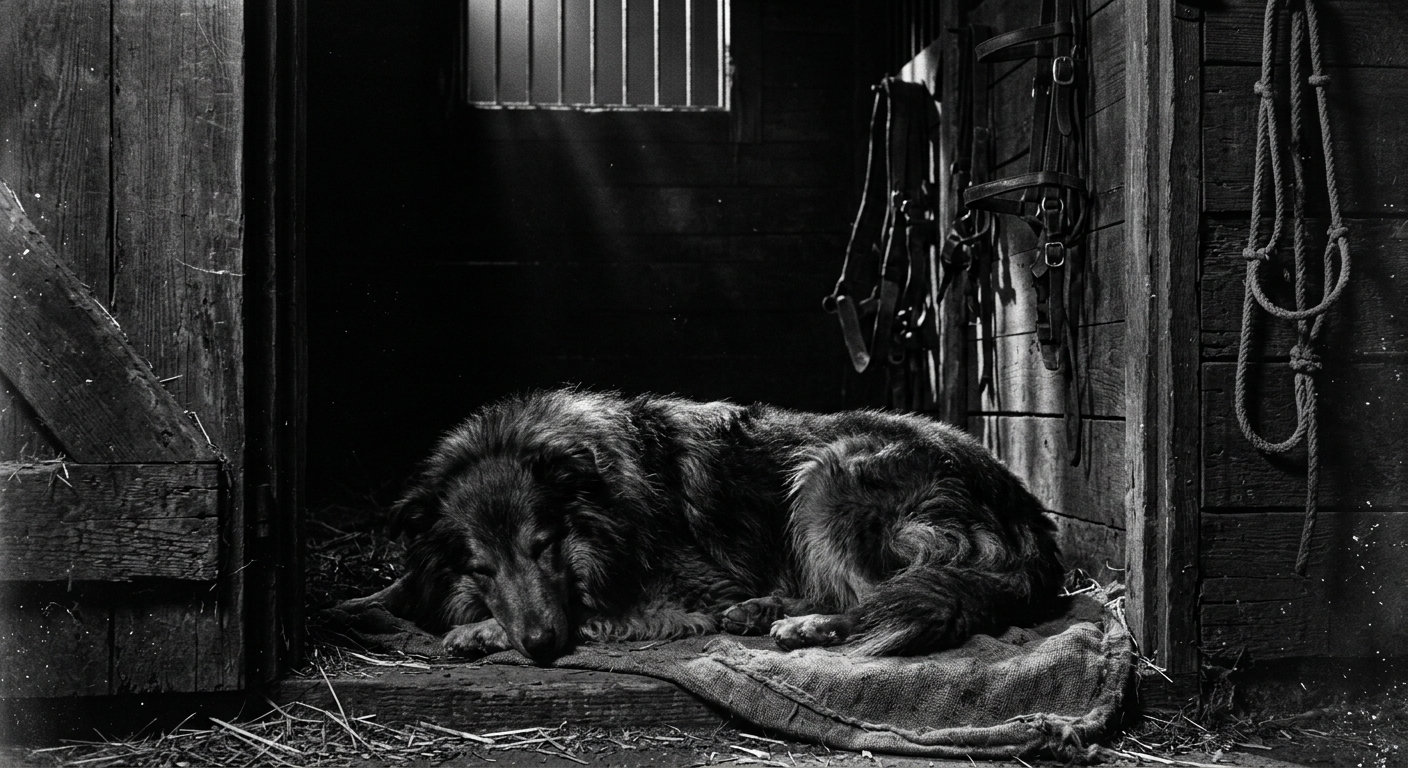
The expectation. Readers skim what they expect to see. In “Silver Blaze,” Holmes solves the case with a clue that never appears on the page: the dog that didn’t bark. The guard dog stayed silent, so the intruder was someone the dog knew. Doyle hid the answer inside an absence, and nobody in the story noticed.
Then calibrate with the second-read test. Read the planting scene cold. If the clue jumps out, bury it deeper. The sweet spot is a clue visible only when looked for. That’s the forehead slap readers thank you for.
Find the sentence that plants your most important clue. If it stands alone, splice it into a list or hitch it to an action. Then run the second-read test both ways, hot and cold, until the clue hides in plain sight.
Writing Academy has 22 courses and 640 lessons covering craft from every angle—structure, POV, voice, pacing, scene work, and more. All included with lifetime access at Writing Academy.
#WritingCommunity #AmWriting #MysteryWriting #CrimeFiction #WritingTips #AmEditing