When the Backstory Carries the Plot
Craft advice treats flashback like a leak. Patch it, minimize it, get back to the present. Margaret Atwood’s Oryx and Crake does the opposite. The backstory is the story, and the present is the frame around it.
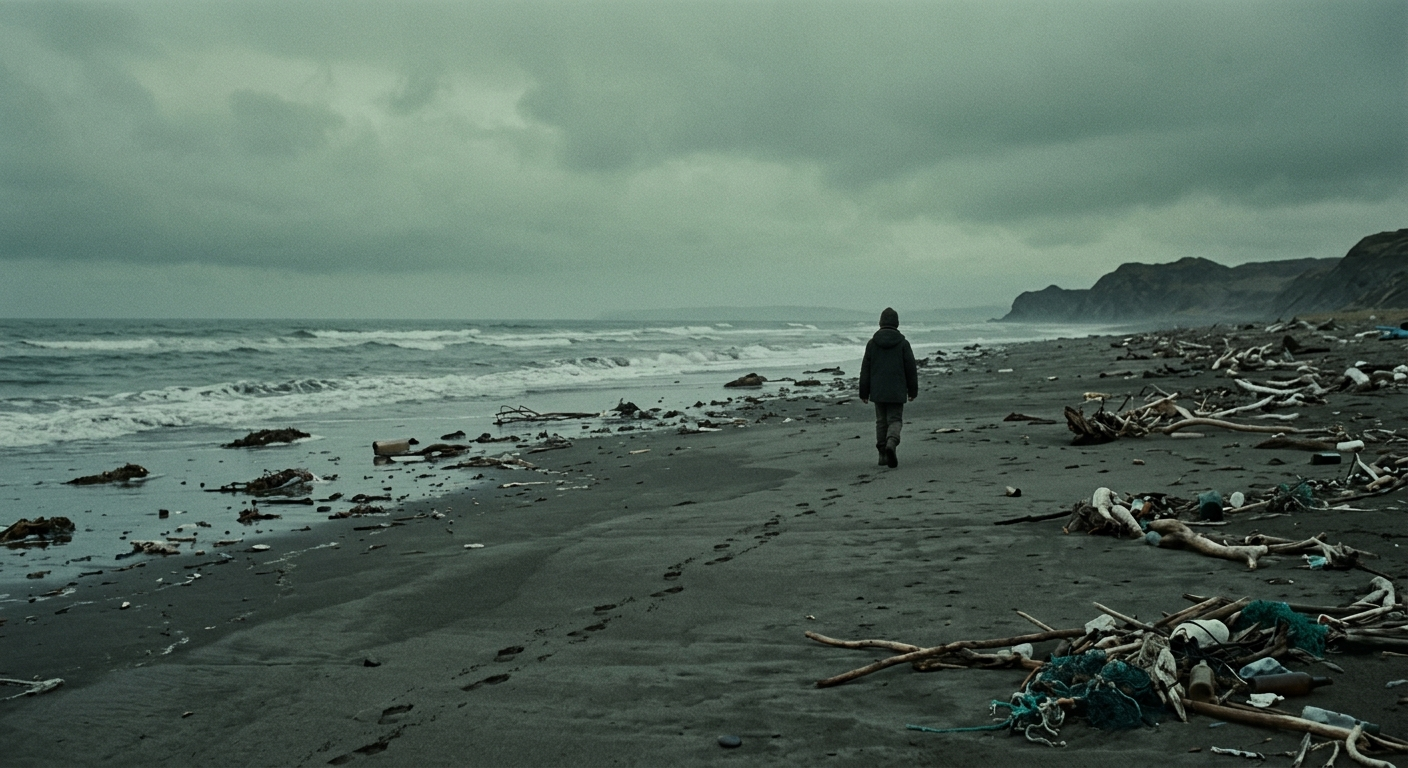
Two strands alternate. The present: Snowman, apparently the last ordinary human alive, starving on a beach, guarding a tribe of gentle engineered people. It’s quiet by design. The past: Jimmy’s boyhood, his friendship with Crake, the arrival of Oryx, the project that ends the world. That’s where the plot lives.
The interleave is the engine. Every present-day chapter shows you aftermath and raises a question; every flashback chapter pays an installment of the answer and escalates. You read the flashbacks not as interruption but as the main event.
And the trick under the trick: the novel’s climax sits at the end of the flashback strand. The catastrophe you’ve been dreading (you’ve already walked through its ruins) arrives in backstory’s final chapters, not the present’s.
Three mechanics make it work.
Give the present the theme and the past the plot. Snowman’s guilt reads differently once you know what he did. That double vision is the payoff.
End each flashback segment on escalation, not summary. The reader should lean forward at every cut.
Make the catastrophe the destination. The reader reads the past to reach the explosion whose aftermath they have already seen.
Try it: take the backstory you’ve been compressing into one flashback chapter and split it into installments. After each, write one present-day beat that raises the question the next installment answers. That zigzag is the tension.
Writing Academy has 22 courses and 640 lessons covering craft from every angle—structure, POV, voice, pacing, scene work, and more. All included with lifetime access at Writing Academy.