Dread Is a Pacing Problem
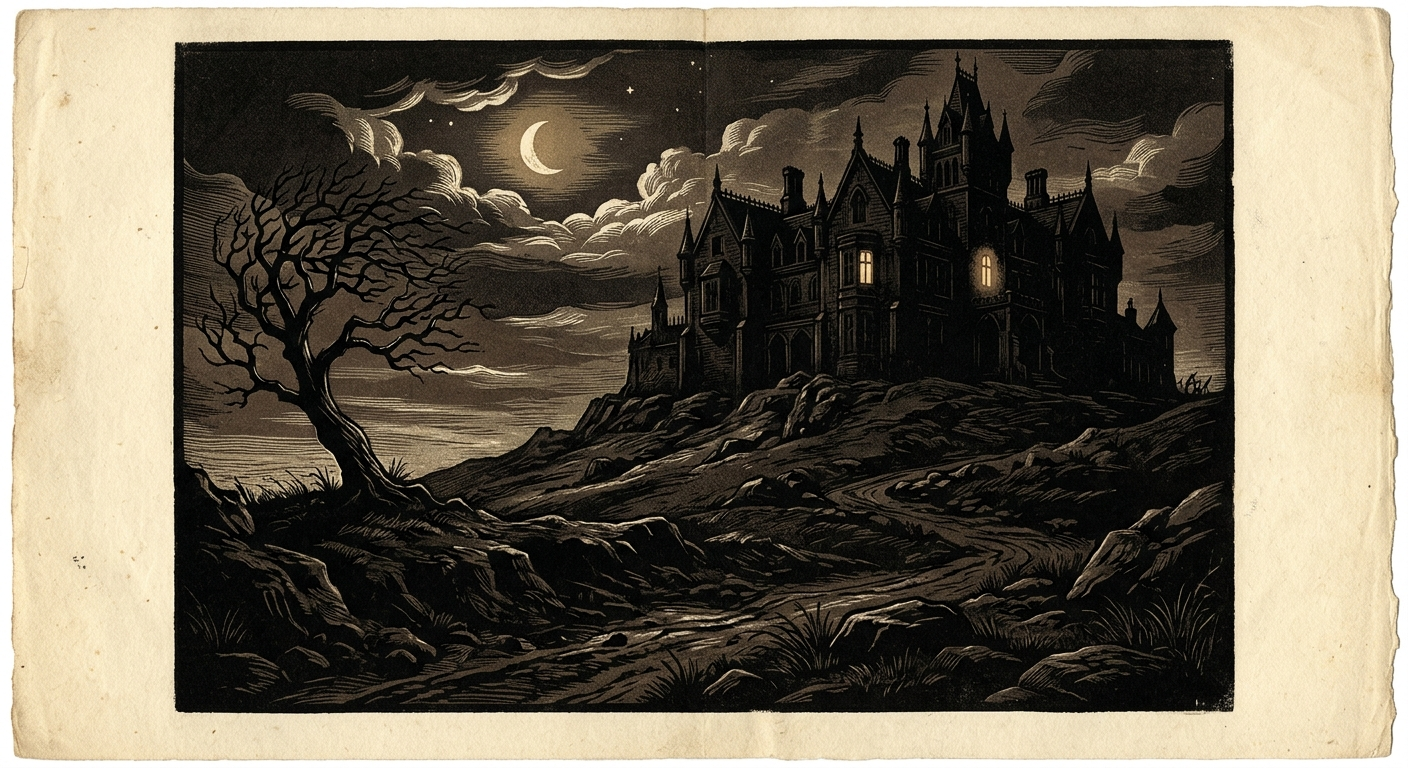
When a horror scene stops working, the culprit is usually on the page. The writer showed the thing. Teeth, mask, face, the full inventory, nothing left in the dark. Whatever frightened us for three chapters becomes a prop the moment it’s lit.
Shirley Jackson knew better. In The Haunting of Hill House, the scariest scene is a woman in bed gripping a hand in the dark. She believes it belongs to the friend beside her. The hand is cold, and it doesn’t let go. Only afterward does she learn her friend was standing across the room. Jackson never shows the visitor. Not once. She gives us a grip, a voice down the hall, and a room that suddenly has too much geography in it.
The fear was never the monster. It’s the rate of what we’re handed: almost-information, delivered on a schedule. A noise with no source. A detail that’s wrong in a way you can’t quite cite. A door that was open and now isn’t. Every item hands the reader a commission: imagine the rest. The reader’s imagination takes the job, and it turns out the reader is a better monster designer than either of us.
That’s why the reveal has to land smaller than the dread, or not land at all. Whatever you finally put on the page competes against what the reader built in the dark, and the reader has been working with better material. Keep it offstage and the fear holds its price.
Pull up the scene in your draft that’s supposed to scare someone, and count the sentences that describe the threat itself. Convert two of them into effects: sounds, reactions, aftermath. Leave one detail wrong on purpose and resist the urge to explain it. That unexplained item is the one they’ll remember.