The Two Ways Pacing Breaks
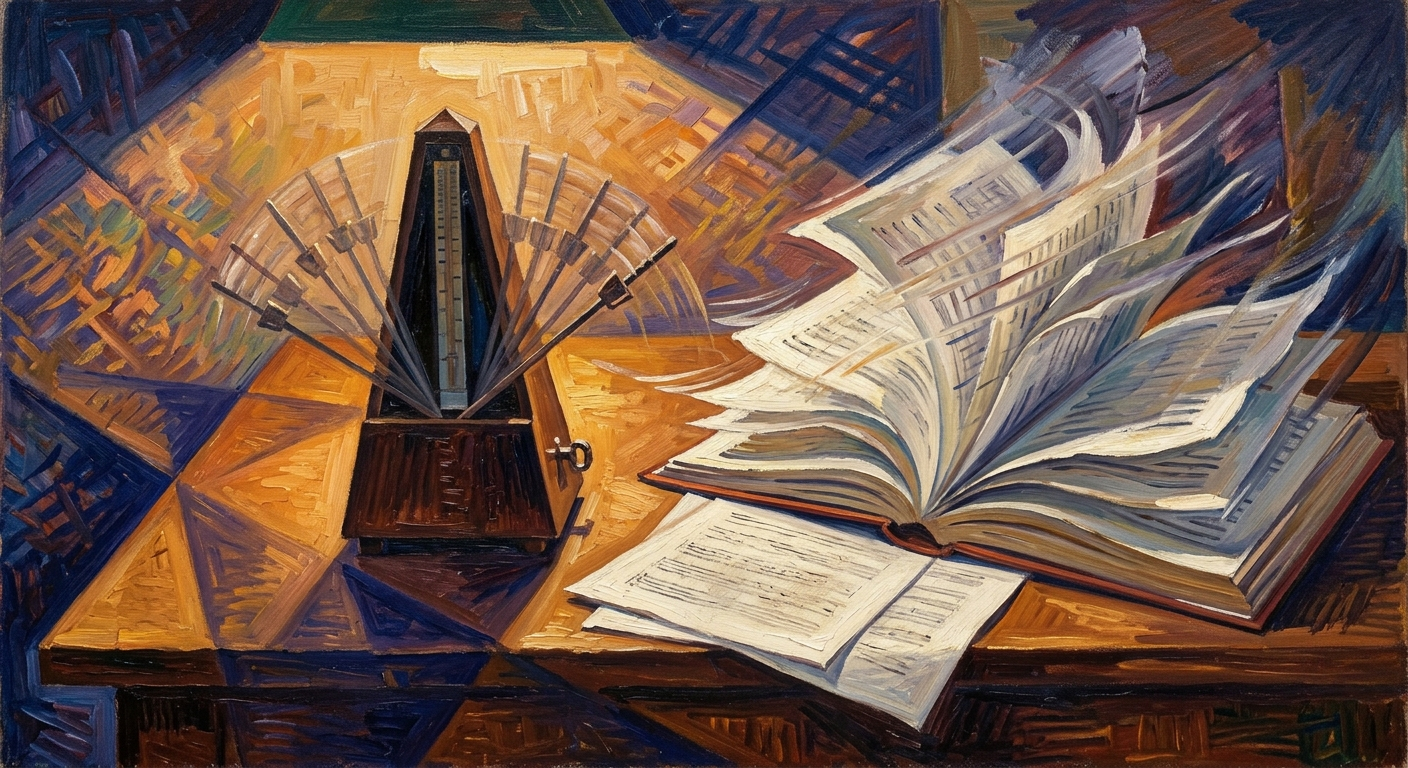
A slow manuscript and a fast one usually fail the same way. Whole stretches pass where nothing changes.
Pacing is change per page. Every scene should alter something the reader can point to afterward: what somebody knows, what somebody wants, who can be trusted. When pages turn and the answer is “nothing,” readers call the book slow no matter what’s happening on the page.
Drag is one failure. The scenes keep coming, but the clock is missing. Nothing presses, so nothing moves, and the reader starts skimming to find the part where things went wrong.
Rush is the other. The changes that matter arrive as summary. “By spring, she no longer trusted him.” Two sentences to cover the betrayal the reader paid to live through. Getting told about the moment is a poor substitute for being in the room.
The repairs run in opposite directions. A dragging scene either changes nothing or contains a change that happened offstage. Cut or compress the first kind. Expand the second into a scene, because that offstage event is probably the one the reader cared about. A rushing manuscript needs the opposite surgery: find every change hiding in summary and give it a room, an hour, and the sentence that lands.
Memoir writers get this the hard way, since the material arrives as chronology. Duty to everything that happened is what makes memoirs drag. Build scenes for the moments that changed things; summarize the connective tissue.
Number the scenes in your current chapter. Beside each one, write what’s different when it ends: what somebody knows, wants, or fears now that they didn’t at the start. A blank means the scene is a candidate for cutting. An answer that fits in one clause means you summarized a change the reader should have lived through; blow it back open.