The Choice Isn’t the Story. The Cost Is.
Every love story eventually drives up to the same intersection: the person and the obligation, pointing in opposite directions. Readers don’t remember which road the writer picked. They remember the toll.
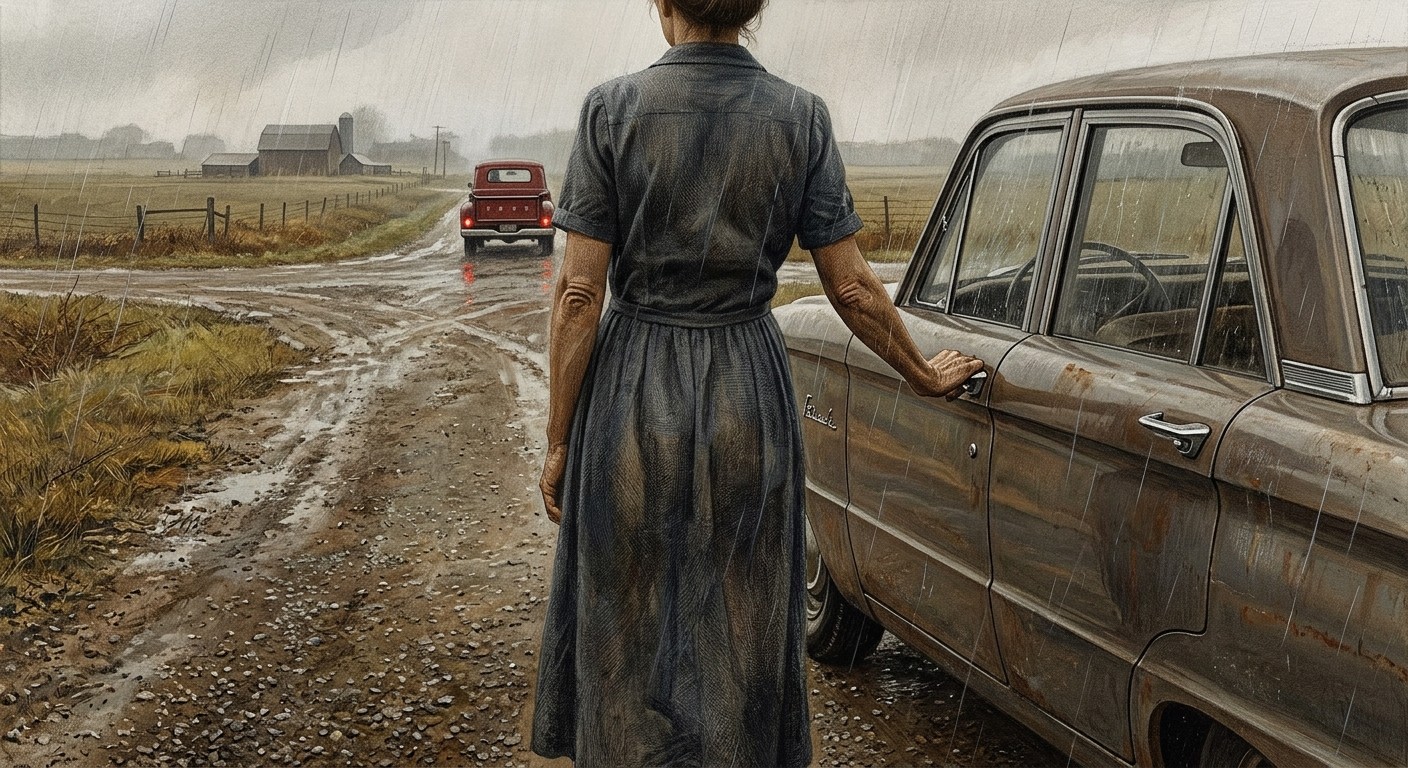
In The Bridges of Madison County, Francesca stands in the rain with her hand on the door handle of her own car, watching Robert Kincaid’s taillights pull away without her. She never opens the door. The book tells you what she’s refusing: “In a universe of ambiguity, this kind of certainty comes only once, and never again, no matter how many lifetimes you live.”
In Doctor Zhivago, Yuri opens the door. He leaves his wife and children for Lara while the revolution grinds Russia to gravel, and the book bills everyone for it. By the last page Lara goes out one day and never comes back, “forgotten as a nameless number on a list which was afterwards mislaid.”
Same fork, opposite doors. Renunciation buys the love a permanent glow, sacred because it never got spent, and the price is a lifetime of what-ifs, paid out on every page. Pursuit buys the love itself, and the bill goes to everyone: the abandoned family, the friends, and at the end the lovers too.
Neither choice is the brave one or the cowardly one. That’s the lesson when your own story reaches a fork between the person and the duty. The road chosen matters less than what you charge for taking it. The two ways writers get it wrong are renunciation that costs nothing (the family turns out fine, she loses nothing) and pursuit without collateral (the affair ruins nobody). A choice that costs nothing isn’t a choice. It’s a preference, and readers can smell a preference at ten paces.
Go to the scene where your protagonist picks between the person and the obligation. Skip the choosing. Write the morning after, one page, in the head of whoever pays for it. If nobody wakes up with a bill, the fork is fake: widen the damage, or sharpen the choice until somebody has to lose.