Love Is the Trap
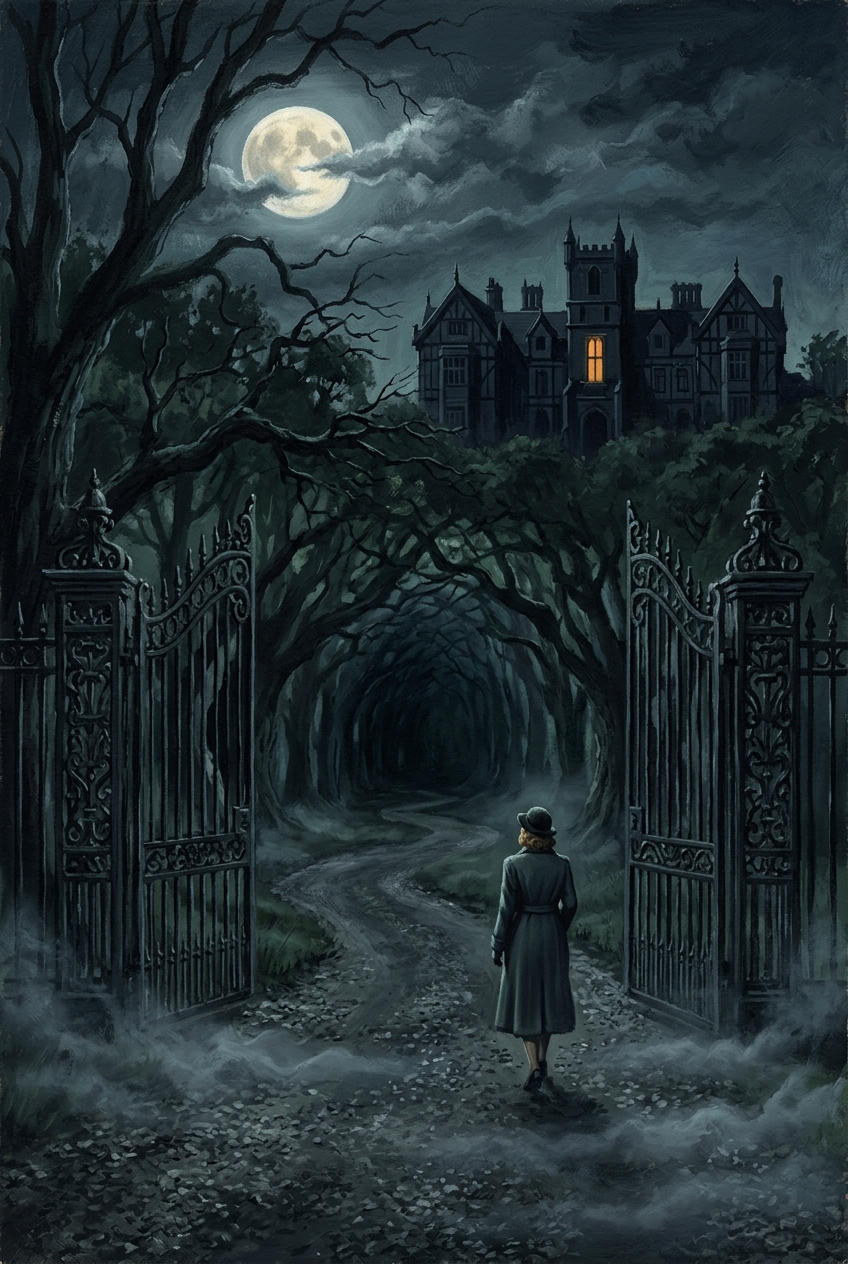
“Last night I dreamt I went to Manderley again.” The most famous opening line in gothic fiction, and the whole genre hides inside it: a woman haunted by a house she can’t return to, married to a man she never fully knows.
Horror and romance hybridize better than any two genres on the shelf, and the reason is structural. A thriller heroine’s best move is distance. Get away from the danger and the story is over. A gothic heroine has already refused that move. She loves the person the danger lives in. The commitment is the trap, and the trap is the engine of the dread.
Daphne du Maurier builds Rebecca on exactly this. The new wife at Manderley knows three things. Her husband adores her, except when she stumbles anywhere near the subject of his first wife. That first wife drowned, though the account keeps shifting. And the housekeeper keeps Rebecca’s rooms dusted and ready, as if the real mistress of the house were only out riding.
Every tender scene is also an interrogation. When Maxim pulls her close, she wonders whether the arms have done what people whisper they’ve done. The dread rides along inside the love story, a current in the wiring.
Three mechanics make the hybrid work.
Aim the threat at the bond. The question that keeps a reader up at night is whether the relationship can survive what she’s about to learn. Physical danger is the seasoning here; the marriage is the meal.
Make staying the only choice her heart allows. If the reader can picture her packing a bag, the dread collapses. She stays because leaving costs the marriage, the name, the self she’s building, and because part of what she fears is the part she can’t stop loving.
Let the truth re-price the love. Maxim’s confession is the worst thing she could hear and the first honest thing he has ever said to her. She loves him more afterward, and the reader believes it, because the relationship has been re-founded on darker terms.
Take the central relationship in your draft, whatever you’re writing. Write down the one thing your protagonist doesn’t know about the person she loves. Then find the scene where those two are happiest and press the unknown into it: a look held a beat too long, a question deflected, a door closed gently. If the doubt only visits your dark scenes, it’s a subplot. Press it into the tenderness and the whole book starts to hum.
#WritingCommunity #AmWriting #RomanticSuspense #GothicFiction #WritingTips #WritingCraft