Punctuation Is Pacing
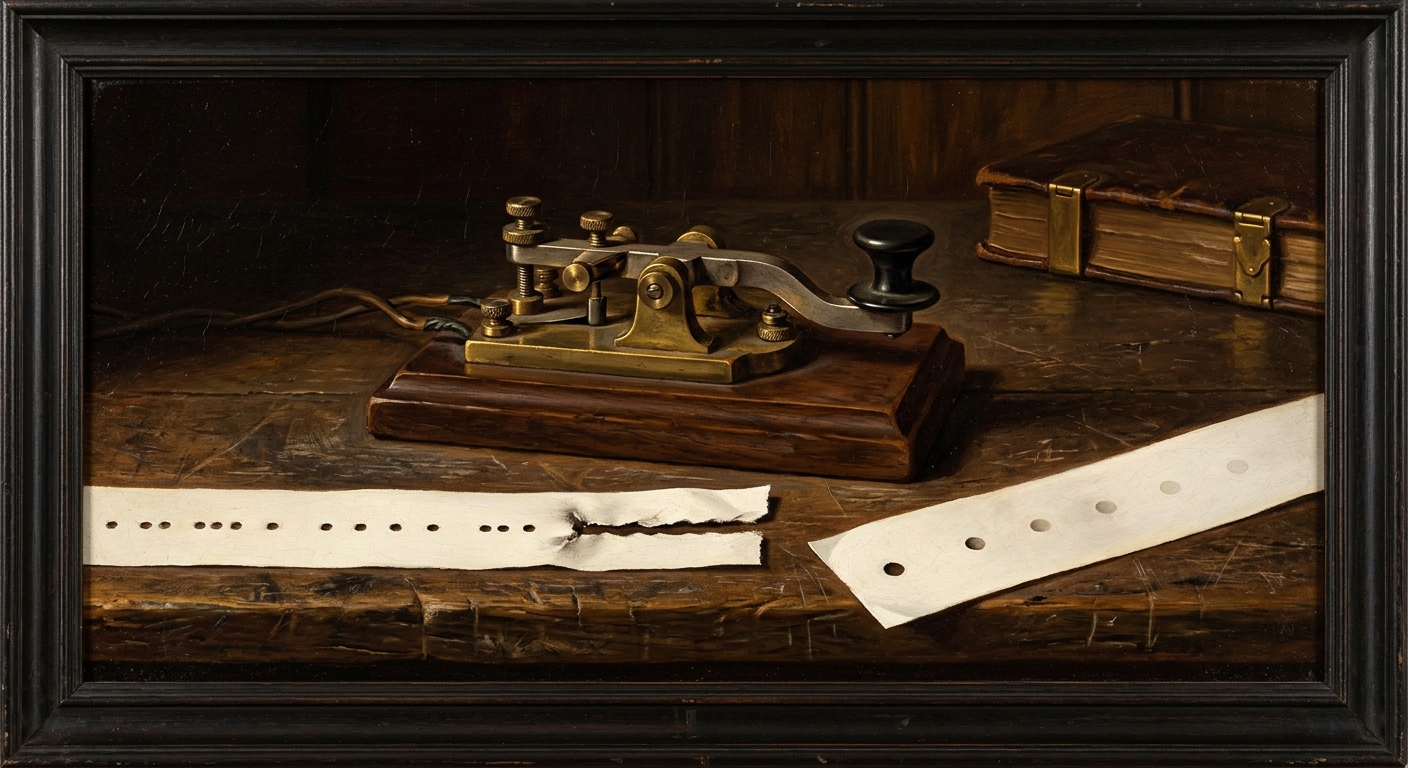
Two punctuation marks control the speed of your prose, and most writers use them interchangeably. One slams the brakes; the other lets the air out slowly.
An em dash stops a line like a slammed door. “You told me this would—”
She never finishes, because the sentence just got hit by a truck.
An ellipsis lets the line die on its own. “You told me this would…”
Same words. The dash is impact in real time. The dots are the speaker trailing off, watching something settle.
Read both aloud. Your voice knows the difference without being told. These marks work below grammar, at the level of tempo, and the reader performs them.
The trap is monotony. Dialogue where every line trails off in ellipses sounds like everyone is underwater. A page interrupted by dashes every few sentences loses its slap, because the reader stops bracing.
Scarcity is the trick. One dash per scene is a hammer. Three per page is a faucet.
Pull up your latest chapter and find the moment your character gets news they didn’t expect. Read the reaction line aloud twice, once ending in a dash and once in ellipsis dots. One is a slap. The other is a slow drain. Keep the one that matches how the news actually lands, then find every remaining dash and ellipsis on that page and cut down to the marks that earn their keep.