The One-Sentence Paragraph
White space is the cheapest special effect in fiction, and most writers never spend it.
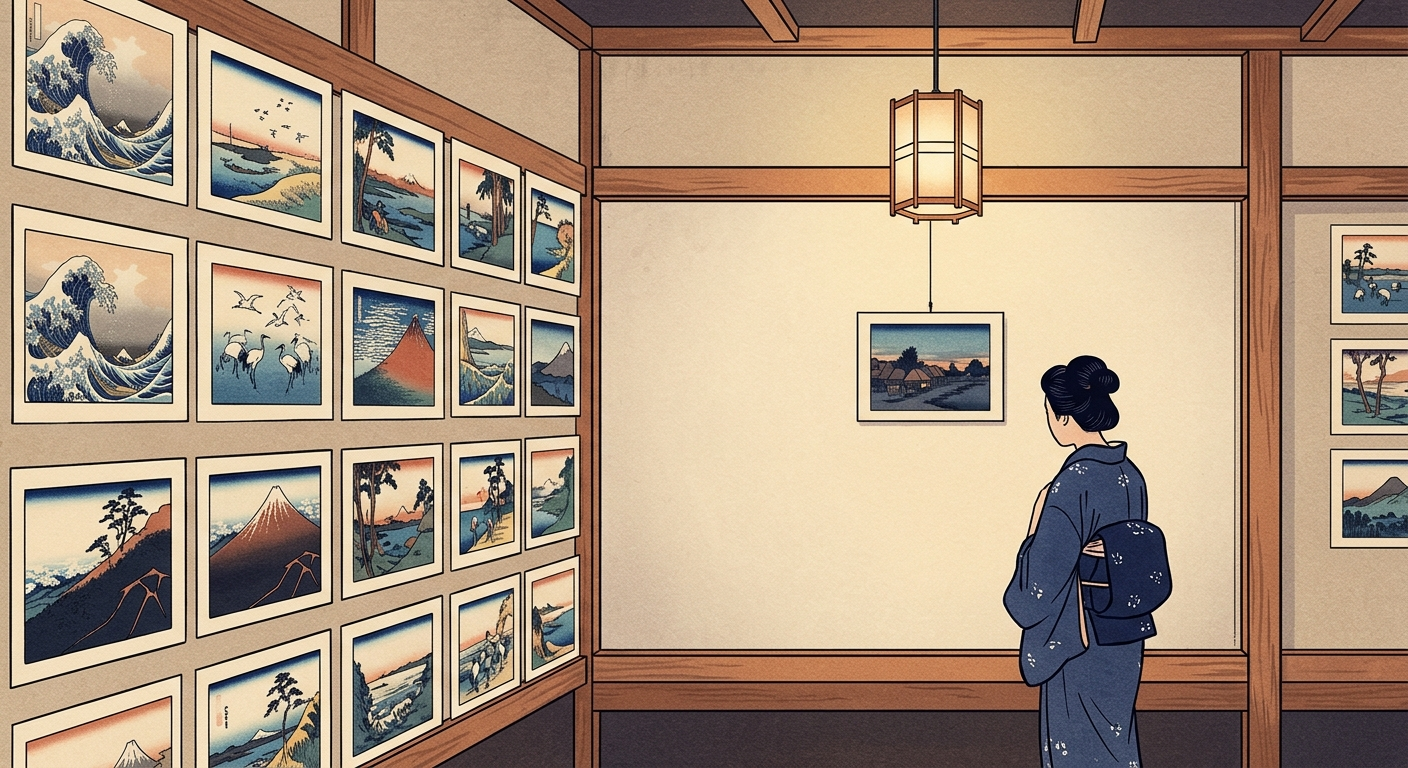
A paragraph is a shape before it is a unit of grammar. The reader’s eye takes in the page the way a visitor takes in a gallery wall: a run of dense blocks reads as wallpaper, and one short line standing alone reads as something the writer circled. The white space does the circling.
A one-sentence paragraph has three jobs. It assigns weight, because whatever sits in that line is what the reader remembers at breakfast. It sets pace, because after a long paragraph that has been tightening for six sentences, a single short line is the held breath before the release.
It marks a turn, too: a shift in time, place, or intention gets its own line the way a film cuts to black between scenes.
That is the whole toolkit.
Scarcity is the fuel. Set three one-sentence paragraphs loose on the same page and they cancel each other out, the way a page where everything is underlined has no underline. Ration the device for the moment you want the reader to remember tomorrow.
Isolation magnifies quality in both directions. A strong line alone detonates; a weak line alone looks weaker, because the paragraph break announced that it mattered. Never promote a sentence you would skim inside a paragraph. And the break has to be earned: a one-sentence paragraph only lands when the paragraph ahead of it ran long. Two short sentences in a row read as a hiccup.
Pull up the last scene you finished and find the sentence you would read aloud to sell it. Give that sentence its own paragraph. Then scan a page in each direction and rejoin every one-line paragraph that is doing no work, so the line you promoted stands alone in the quiet you built around it.
#WritingCommunity #AmWriting #WritingTips #WritingCraft #FictionWriting #SelfEditing