Choosing Your Story’s Viewpoint: A Guide to POV
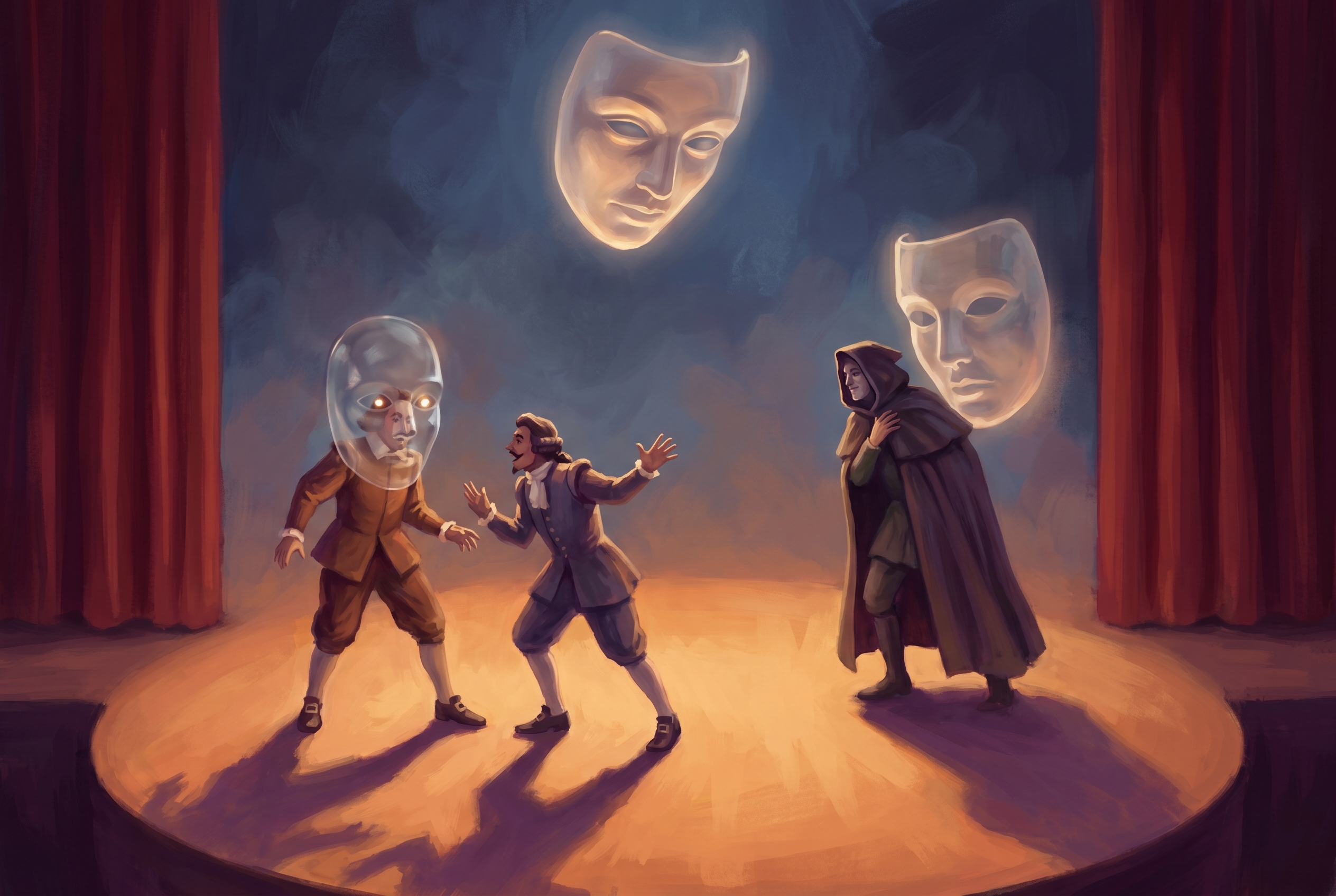
Every story is told by someone. The question is: who’s doing the telling, and how much do they know?
Viewpoint—or point of view (POV)—is one of the most powerful decisions you’ll make as a writer. It determines what the reader sees, what they feel, and what they’re allowed to know. Get it right and the story feels inevitable. Get it wrong and readers feel like they’re watching through a foggy window.
Here are the major viewpoints, what they’re good at, and where they’ll trip you up.
First Person (“I”)
The narrator is a character in the story, telling it directly. “I walked into the room. I saw the broken glass.” The reader gets everything filtered through one consciousness—thoughts, feelings, biases, blind spots.
The strength is intimacy. First person puts the reader inside someone’s skin. The weakness is limitation: your narrator can only report what they personally witness, know, or figure out. If you need the reader to know that someone is watching from across the street, your narrator has to notice. You can’t cut away.
First person also locks you into a voice. A twelve-year-old narrator can’t suddenly write with the elegance of a literary essayist. A hardboiled detective can’t wax poetic about sunsets without breaking character. The voice has to be consistent, and it has to belong to that person—not to you.
Third Person Limited
The workhorse of modern fiction. The story follows one character at a time, using “he” or “she,” but the reader only knows what that character knows. “She walked into the room. The broken glass made her stomach drop.”
This gives you the intimacy of first person with more flexibility. You can describe the character from outside when it serves the story. You can shift whose head you’re in—but only at clear breaks (new chapter, new scene, a visible transition). The moment you shift mid-paragraph, you’ve crossed into omniscient territory, and most editors will flag it.
The rule: one viewpoint per scene. When you switch, make it obvious.
Omniscient
The narrator knows everything. Every character’s thoughts, every hidden motive, what’s happening three towns away. Think of it as a storyteller sitting in a chair, telling you a tale—someone who was there for all of it and understands all of it.
Omniscient was the default for centuries. Dickens, Tolstoy, Austen—all omniscient. It’s powerful because you can zoom in and out, show dramatic irony (the reader knows what the character doesn’t), and cover vast scope.
The danger is “head-hopping”—jumping between characters’ thoughts within a single paragraph or sentence. Done badly, it’s disorienting. The reader doesn’t know whose feelings to invest in. Done well, the shifts feel natural because the narrator has a distinct, authoritative voice that holds everything together. The difference between Tolstoy and a manuscript that gets rejected is that authoritative narrative voice.
Second Person (“You”)
Rare and difficult. “You walk into the room. You see the broken glass.” It creates an eerie, immediate effect—almost like the reader is being controlled. Jay McInerney’s Bright Lights, Big City pulled it off for an entire novel. Most writers who attempt it find it becomes claustrophobic after a few pages.
Second person works best in short bursts: a chapter, a flashback, a passage where a character is dissociating or remembering. As a full-novel choice, it’s a high-wire act with no net.
How to Choose
Ask two questions. First: how much does the reader need to know? If the story depends on secrets, limited viewpoints create suspense naturally. If the story is about the collision of many lives, omniscient gives you room to breathe.
Second: whose emotional experience is the story? If one character’s inner life IS the story, first person or tight third person limited will serve you best. If the story is bigger than any one person, omniscient or rotating third person limited opens it up.
There’s no wrong answer—but there are mismatches. A thriller with omniscient POV has no suspense. A sweeping family saga in first person feels claustrophobic. Match the viewpoint to what the story needs, not to what feels comfortable.
Exercise: Pick a scene from your current draft—something with at least two characters in the same room. Rewrite the first paragraph three times: once in first person (from the protagonist’s “I”), once in tight third person limited (same character, “he/she”), and once in omniscient (the narrator knows what both characters are thinking). Read all three aloud. Notice how the same moment changes weight, pace, and intimacy depending on who’s telling it. Whichever version makes you lean forward is probably your story’s natural viewpoint.
Continue your writing journey