Give Your Setting a Job
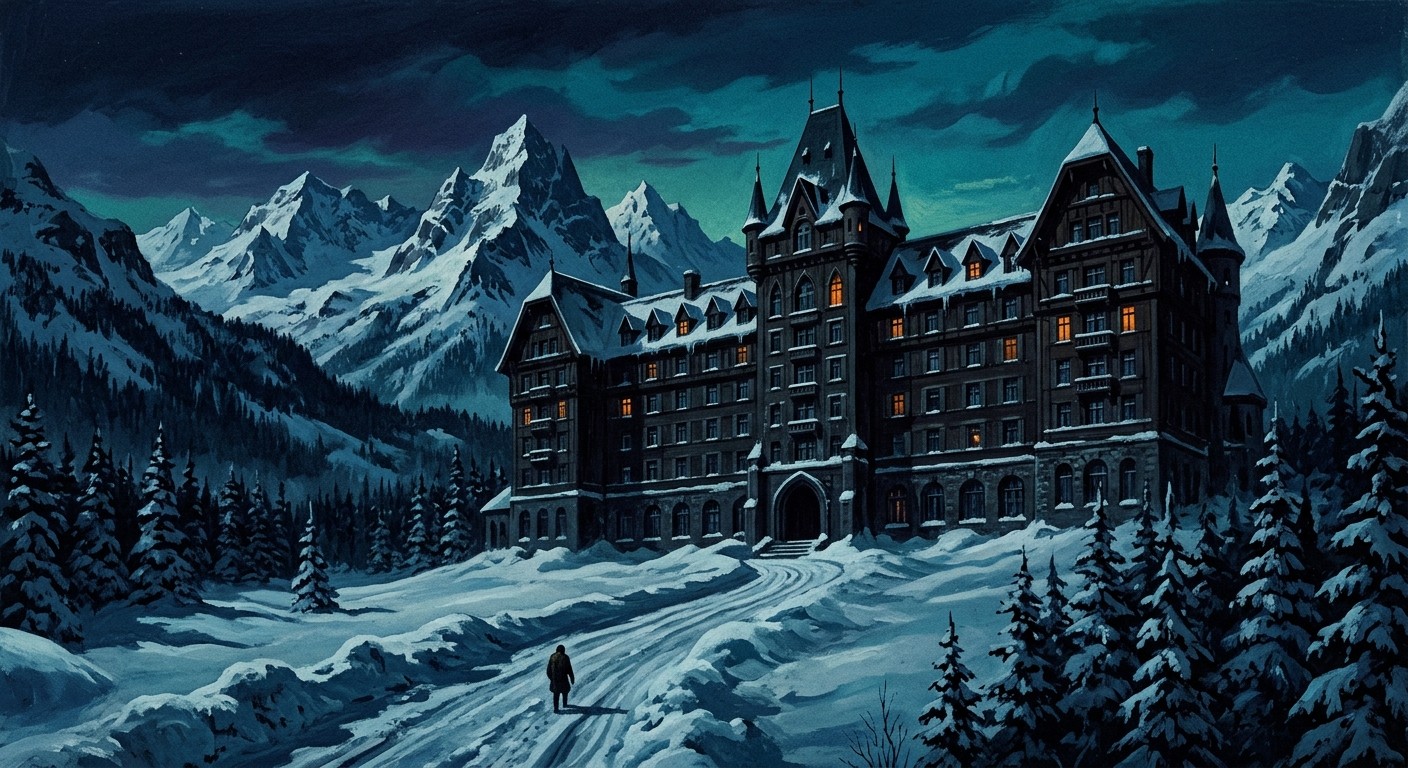
A location can be accurate down to the doorknobs and still be dead. Accuracy is the easy part. Work is what makes a place breathe.
Every location is either furniture or staff. Furniture could be swapped for any other street, season, or kitchen without the story noticing. Staff shows up to work.
Stephen King gives the Overlook Hotel in The Shining a heartbeat (a boiler that must be kept fed) and a temper (elevators that run when nobody calls them). By midbook it’s the busiest character in the cast. It wants things, and it escalates.
Scale the job to your story. A kitchen puts two people shoulder to shoulder and won’t let either leave without being rude. A storm closes the one road out until the argument has nowhere to run. A small town’s job is memory: nothing stays buried, because everybody was there.
Give your major locations a job description, one line: what does this place do to the people standing inside it? Apply pressure. Force proximity. Keep secrets. Wear people down. If the only honest line is “it’s where the scene happens,” you’ve hired wallpaper.
Pick the scene where things go wrong in your current chapter. In the margin, write what the place is doing to the people in it. Blank margin means the place is idle; hand it a task in the rewrite. A table nobody can sit across from without talking. A staircase that announces every arrival. Reread after. The scene should stiffen.