In Science Fiction, the Rules Are the Clues
Science fiction gets blamed for endings that cheat: a ship that does a thing no chapter hinted at, a cure built from a rule invented in the last act. Readers call it a deus ex machina, and they’re right.
Mystery writers fixed this a century ago. In a fair-play mystery the reader gets every clue the detective gets, and the solution must be buildable from what is already on the page. Speculative fiction can borrow that contract with one adjustment: your clues are rules.
In a detective story the clue is an object. In science fiction it is a rule: what a robot cannot do.
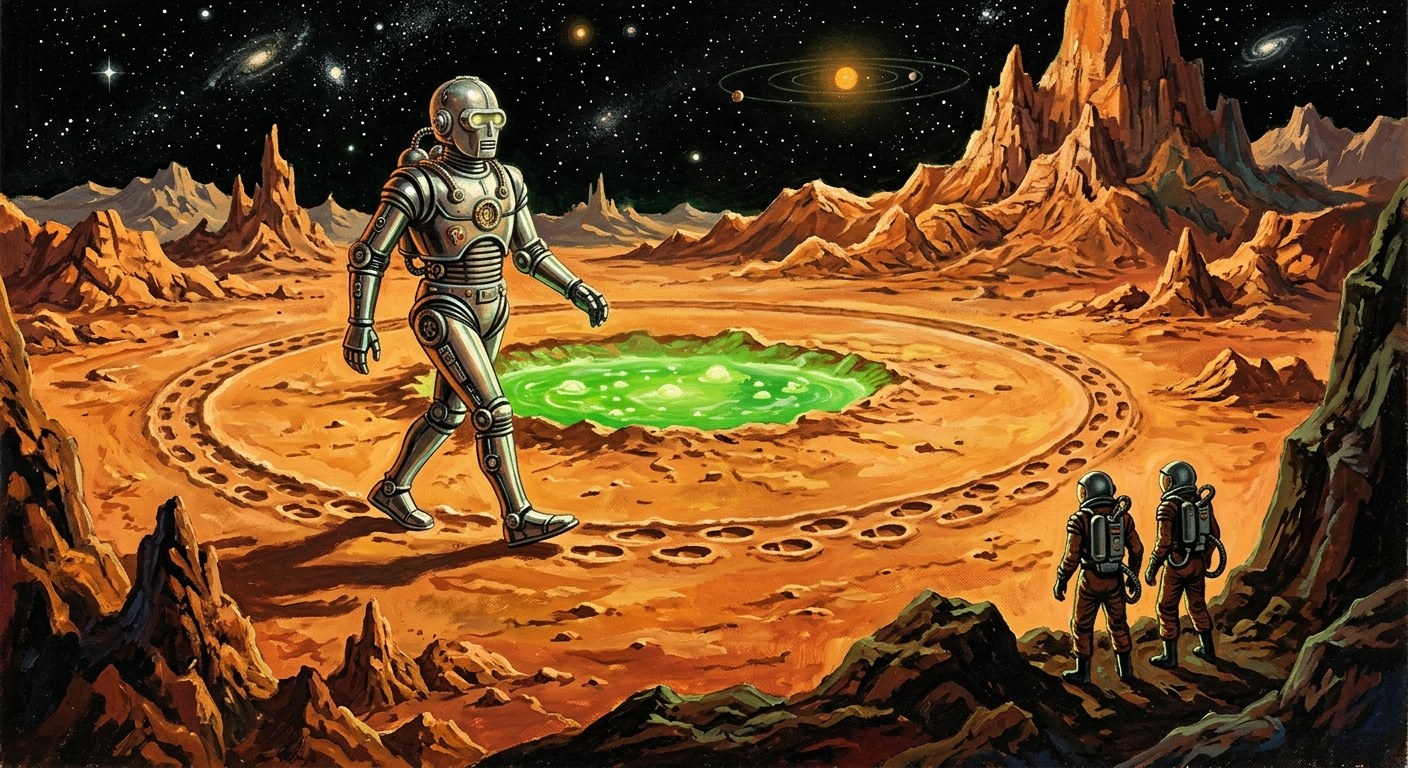
Isaac Asimov built I, Robot on this contract. The Three Laws of Robotics arrive early and never gain a fourth. Every puzzle is a misbehaving robot, solved from Laws the reader has known all along. In “Runaround,” a robot circles a selenium pool on Mercury, singing, unable to cross the line where his orders and his self-preservation balance. You could have solved it yourself, and that is the pleasure.
State rules early, in scenes doing ordinary work. Then let the ending be arithmetic, solved from rules the reader already owns.
Pull up your ending and write down every rule it depends on. Find where each rule appears before the halfway point. A late rule reads as an excuse. Move it earlier, into a scene doing ordinary work, and let the ending earn its click.