Let the Past Interrupt
Flashbacks are expensive. The present halts, the tense shifts, the reader packs for the past, and when they come back the story often hasn’t moved.
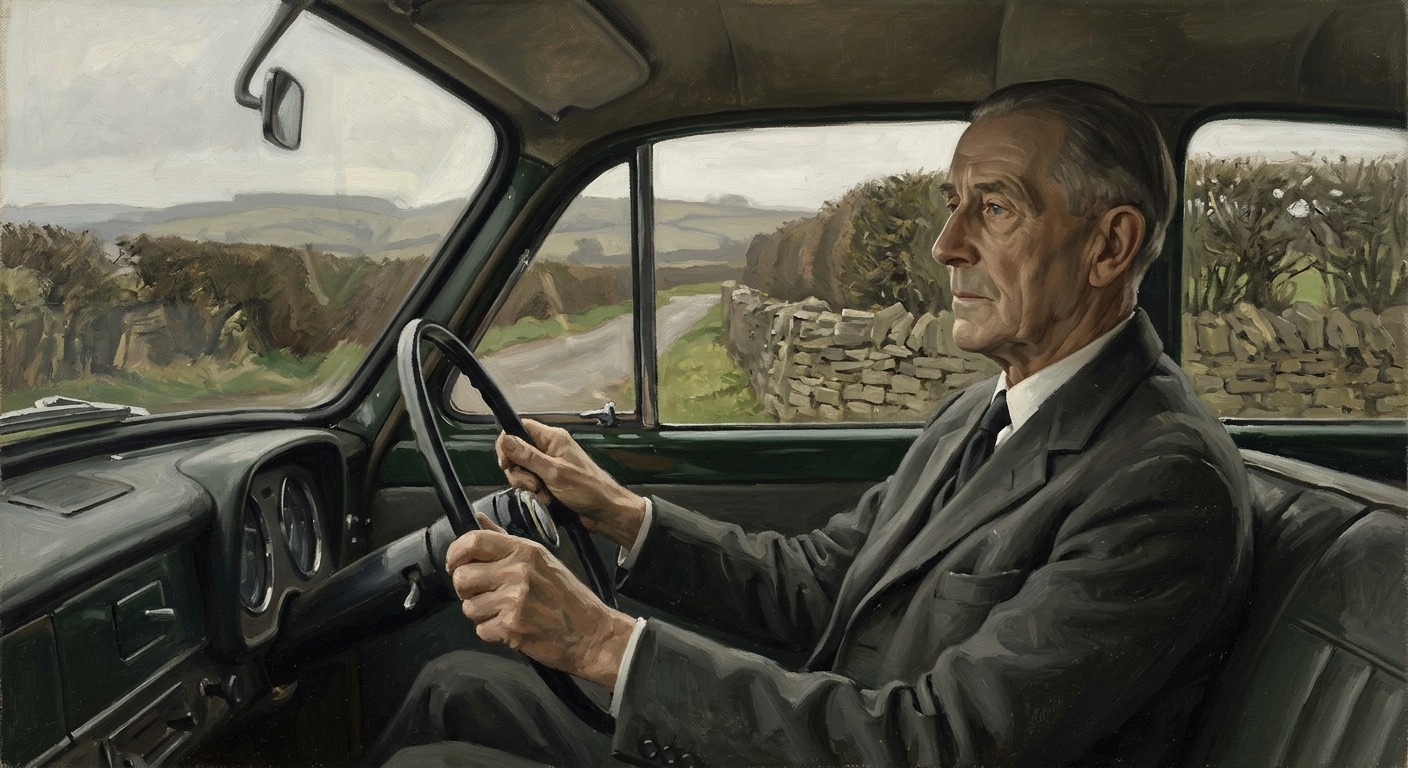
Kazuo Ishiguro’s The Remains of the Day runs an entire novel on the cheaper fuel. Stevens, an aging butler, spends six days driving through the West Country. The trip is the plot; Darlington Hall’s past is the cargo. His memories never arrive as staged replays. They interrupt. A phrase in a letter, a view of a field, and suddenly 1923 is riding in the passenger seat for two paragraphs before the road pulls him back. Because Stevens is the one telling it, the memories bend. He retells the key scenes more than once, and each version protects his dignity a little differently. The revision is the story.
A flashback is archival; the event plays back complete. A memory is shaped by the person having it, edited in the telling, and it lands on a present scene still moving underneath.
So compress. Give the memory a trigger in the present (a smell, a sentence, an object), render it in three sentences or fewer, then return to the action with the character subtly changed. The past stays cargo. The trip stays the plot.
Find the flashback in your draft, or the paragraph where a character looks backward. Cut the scene change: trigger it from something in the present, tell it in three sentences or fewer, and land on what your character does next. If it won’t fit, keep the one detail that carries the weight and trust the reader to feel the rest.
#WritingCommunity #AmWriting #WritingTips #FictionWriting #CharacterDevelopment #WritingAdvice