The Avenger Needs a Life
Two of literature’s most famous avengers get exactly what they hunted. Edmond Dantès destroys every man who ruined him and walks off the last page restored to the human race. Ahab kills his white whale and is dragged into the sea by his own harpoon line.
The difference is what each man wanted the revenge to give him. In The Count of Monte Cristo, Dantès spends fourteen years in the Château d’If for a crime he didn’t commit. He escapes with a fortune and an education and goes to work recovering a stolen life: his name, his father’s honor, Mercédès. Because there is still a life to restore, the story can end in mercy. His final advice fits in two words: wait and hope.
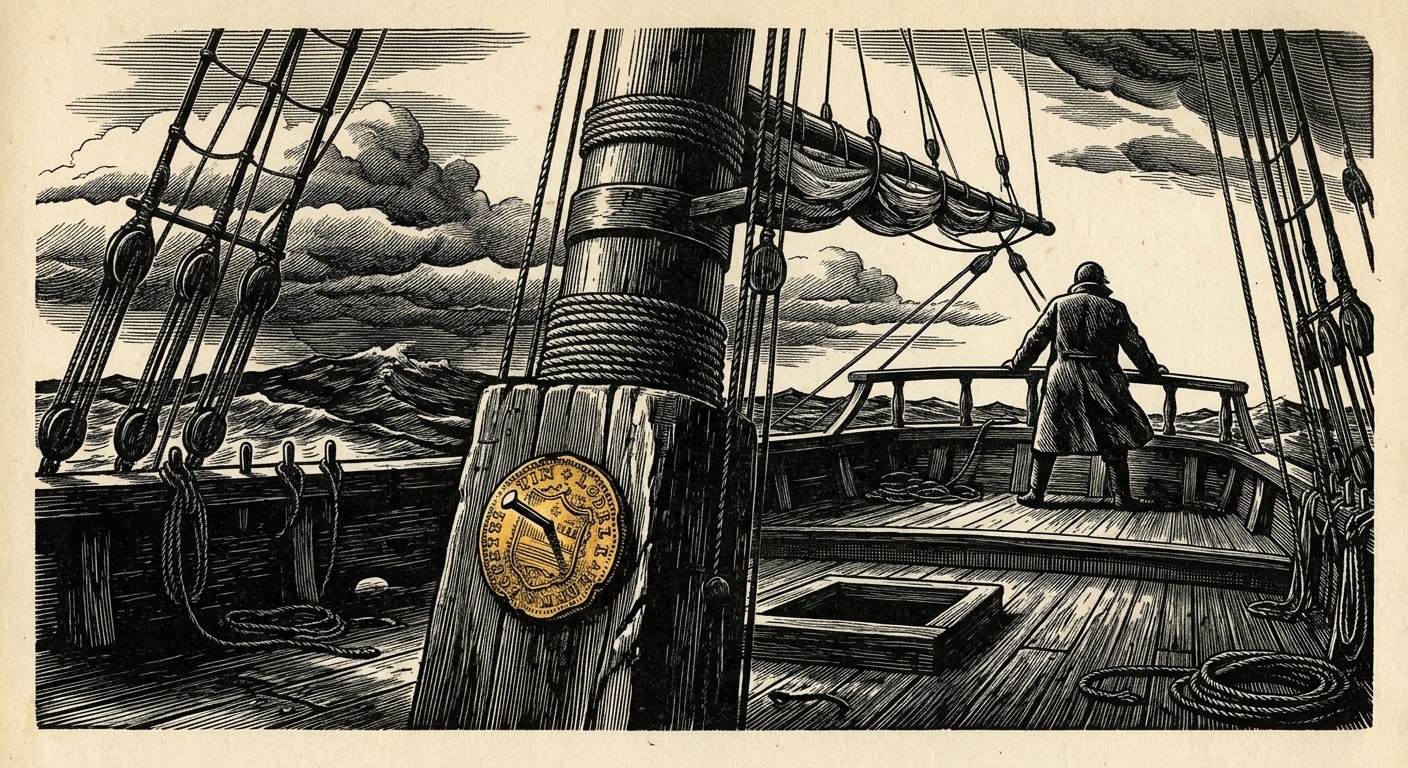
In Moby-Dick, Ahab has no such list. The whale took his leg, and somewhere in the recovery it took everything else. “I’d strike the sun if it insulted me,” he tells the sky. He nails a gold doubloon to the mainmast, his own money offered to his own crew for a single purpose. Ship, wages, voyage: all of it serves the hunt. When revenge is the only thing a man is, the story is a tragedy, and the whale wins.
Three rules separate the two machines.
Give the avenger a life the revenge is meant to restore. Dantès can stop because there is still a life to walk back into.
Charge the revenge in installments. Method reads as agency; the reader watches a plan work. Obsession reads as possession. Patience is the proof the avenger is still steering.
Let the ending follow the want. A revenge in service of a recoverable life can end in mercy and the reader allows it. A revenge that replaced the life ends with the ship.
Pull up the scene where your protagonist decides to get even. Underneath it, write one sentence: what does she want back when it’s over? Then read your final act against that sentence. If the revenge still serves the want, you can spend mercy on the ending. If the revenge has swallowed the want, plan the wreck. The reader already knows which story this is.