The Best Place to Hide a Clue Is in Plain Sight
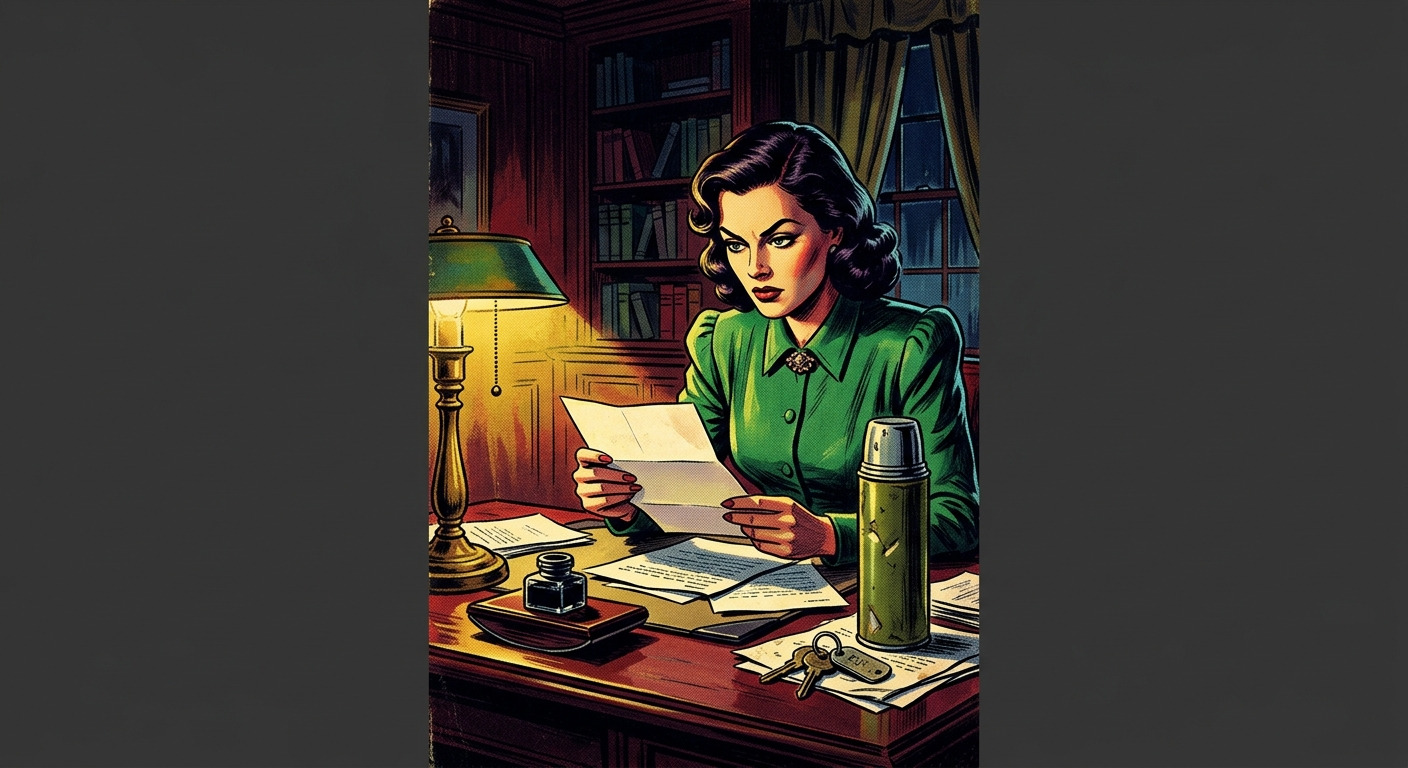
Somewhere in your draft is an object the whole plot depends on, and right now it’s wearing a spotlight.
Readers resent clues that are truly hidden. They feel cheated when the reveal depends on information they never had a fair chance to see. Good mysteries put the clue in plain sight and count on the reader to skip it.
Three reliable ways to make that happen:
Bury it in a list. “She’d emptied her bag onto the seat: sunglasses, a half-eaten granola bar, the letter she’d meant to mail Tuesday.” The letter matters. It’s the third thing in a pile of interesting ones.
Attach it to an action. A clue inside a sentence where someone is doing something reads as logistics, not evidence. “He set the keys on the counter and poured himself a drink.” The keys matter. Nobody remembers them.
Wrap it in the wrong emotion. Readers track feelings, not objects. If your character is worried about being late, the reader worries about her being late, and the clue rides through unnoticed in the sidecar.
The test is the second read. When the truth comes out, the reader should flip back, find the clue sitting in plain sight, and enjoy the particular pleasure of having been played fairly.
Take the most important clue in your story and find the sentence it lives in. If the sentence is about the clue, rewrite it so it’s about something else, and let the clue ride along.
Mystery writing is its own craft: clue placement, red herrings, fair play.
Continue your writing journey