The Best Secrets Arrive Sideways
Confession scenes are where secrets go to die. The character sits down, takes a breath, and hands the reader a neatly wrapped explanation.
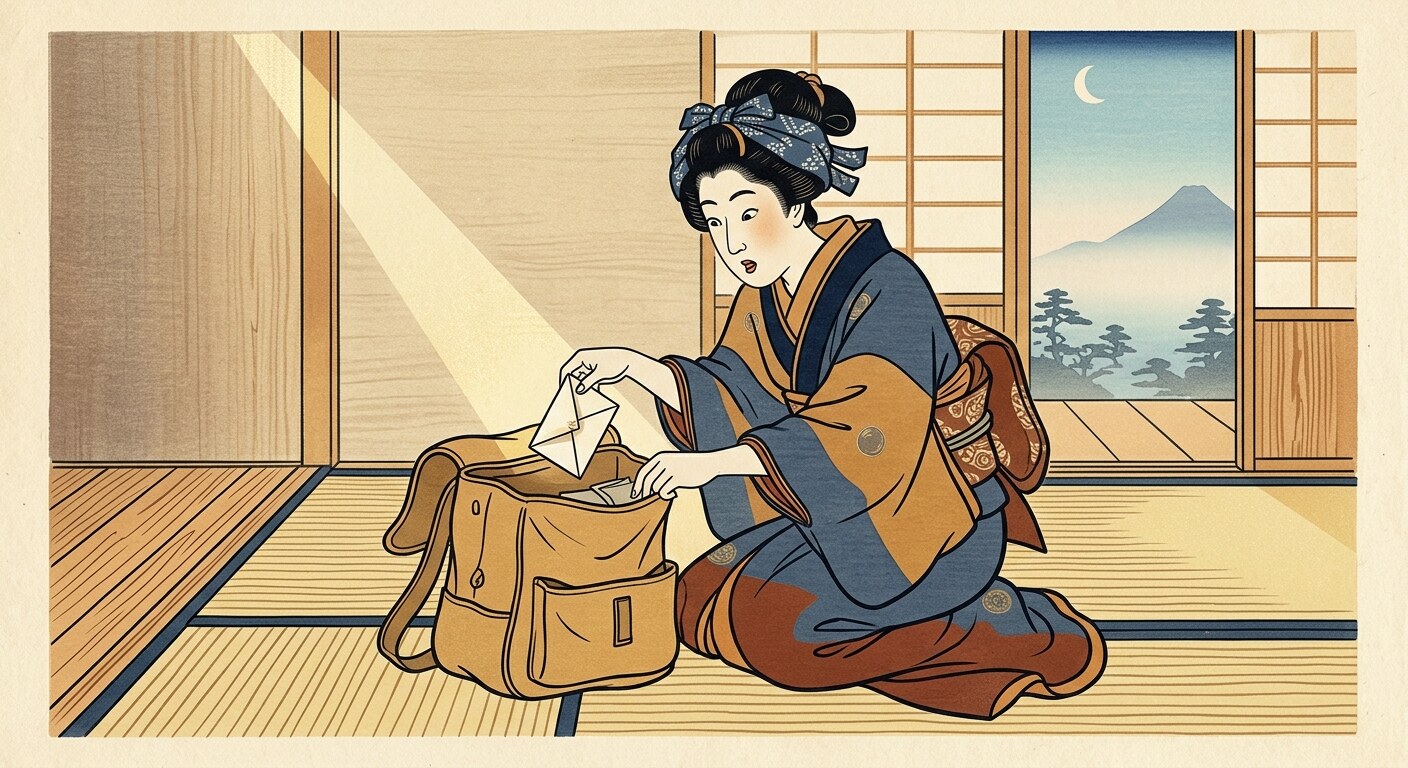
Discovery works harder. A man reaches into his brother’s glovebox for the registration and comes out holding a pawn ticket for their mother’s ring. The one that was “stolen” last spring.
Now the reader holds two questions: why did he lie, and what will she do about it? No exposition spent. The scene paid for itself with an object the size of a receipt.
Three parts make it run. The search has to be justified, a registration, a borrowed charger, ammunition for the hunt, so the finder is innocent. The object has to be small and ordinary: a hospital bracelet, a spare key, a second phone. And you cut the scene one beat early, object in hand. The confrontation writes itself in the reader’s head. On the page it’s usually a downgrade.
Find the scene where your biggest secret comes out. If it arrives by confession, rebuild it: give someone a legitimate reason to open, borrow, or search something, and let them find the lie instead. End with the object in their hand and walk away.
Continue your writing journey