The Concept That Writes the Book
In science fiction, a wholly original premise is not a gimmick. It is the engine. And there is a simple test of a great concept: how many scenes does it force that no other premise could?
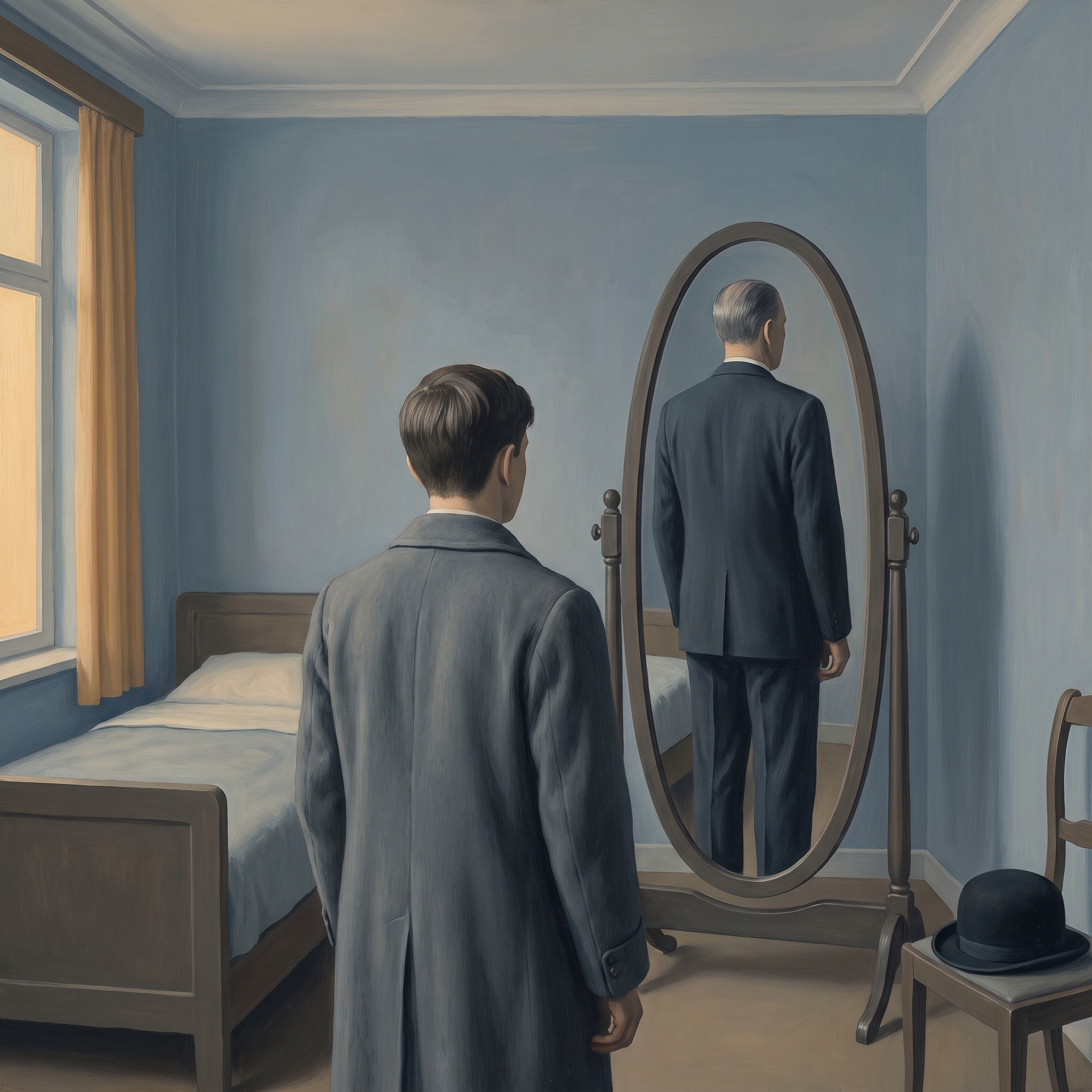
David Levithan’s Every Day passes the test better than almost anything on the shelf. The narrator, A, wakes each morning in a different teenager’s body. Never their own. Never the same one twice. No fixed body, no gender, no family, no hometown.
Look at what the concept generates. Every chapter is a borrowed life with its own rules and its own risks, and A has to live each one without wrecking it. The love story is impossible by design: A falls for Rhiannon while wearing her boyfriend’s body, and then has to ask how anyone can be found again by someone who is a new person every day. Identity, gender, belonging—none of these are themes the book discusses. They are structural facts of the plot. The story asks its questions by happening.
That is what a real concept does: the work of a thousand pages of rumination, done by the premise. And it regenerates daily, because the premise’s constraints are what make every chapter genuinely new.
Three mechanics make it work.
The concept must generate, not decorate. Count the scenes only your premise could force. If the count is low, the concept is a costume.
Let the concept carry the theme structurally. Never lecture about identity when the plot can be the argument.
Treat the constraints as the engine. The rules that hem the concept in are what keep producing new material.
Try it: state your premise in one sentence. Then list ten scenes it forces that no other premise could. If you cannot reach ten, sharpen the premise before you sharpen the prose.
Continue your writing journey