The Countdown and the Last Words
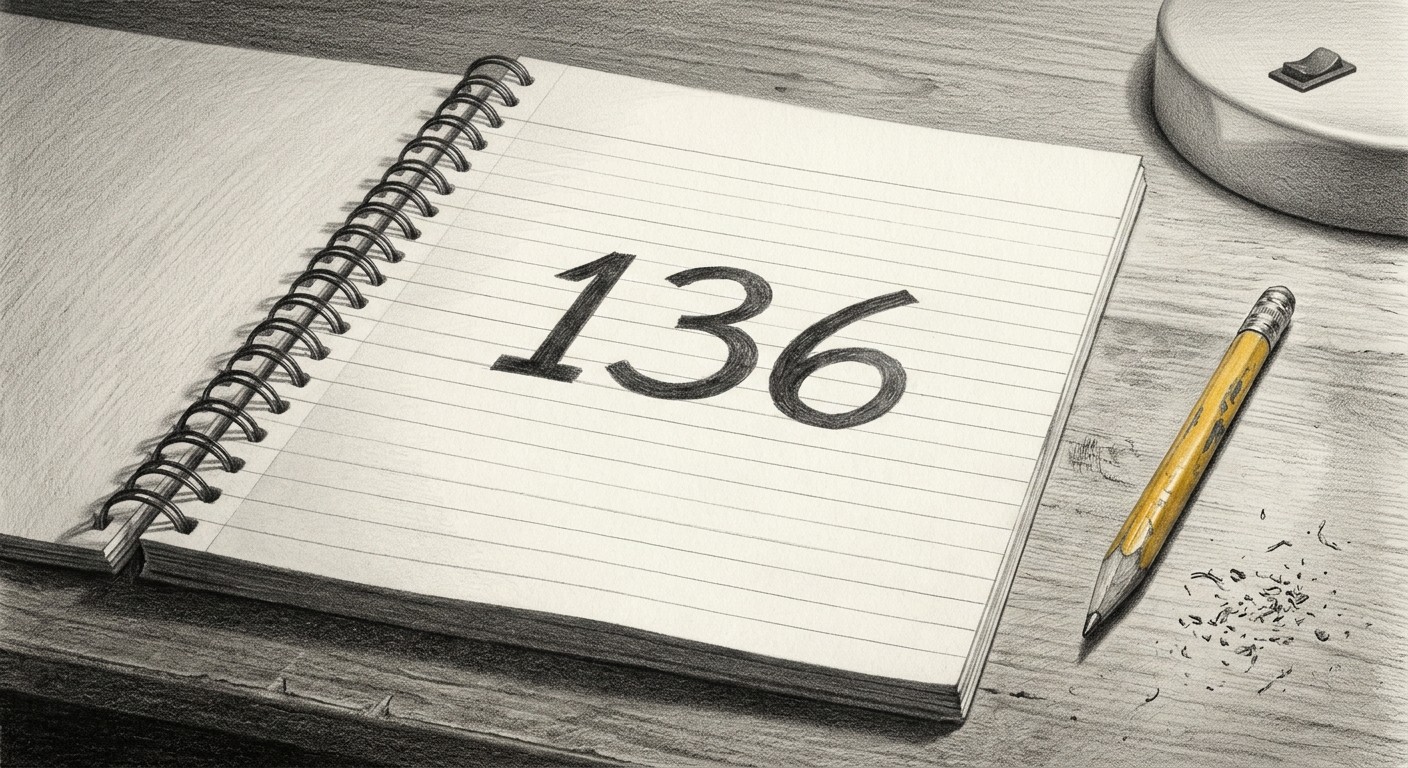
Some of the strongest suspense in fiction comes from structure, not plot. John Green’s Looking for Alaska runs two devices at once, one pointed forward and one pointed back.
The forward one is the countdown. Chapter headings count down to an unnamed event. One Hundred Thirty-Six Days Before. A Hundred Days Before. The reader has no idea what is coming, only that something is, and that the book intends to keep the promise. The number is the dread. No plot information required.
The backward one is the refrain. Miles collects the last words of famous people, and they thread the whole book: Rabelais’s “I go to seek a Great Perhaps,” which becomes Miles’s reason for leaving home. Bolivar’s “How will I ever get out of this labyrinth?,” which becomes the question the book circles. The phrases return and return, heavier each time.
One device builds suspense toward the event. The other builds continuity behind it, handing the reader something to recognize and reweigh at every stop. Together they hold the book from both ends.
Three mechanics make it work.
A clock needs no content. Number your chapters toward something the reader cannot yet see; the countdown supplies the tension on its own.
A refrain earns its meaning by returning changed. The same words carry a different weight each time they come back.
Let the event re-price the refrain. That is the payoff of the pairing: when the countdown hits zero, every phrase the reader collected means something new.
Try it: find a short phrase in your first chapter that could return in your climax meaning the opposite. Then start counting toward it.
Continue your writing journey