The Gold Thread: How Theme Really Works in Fiction
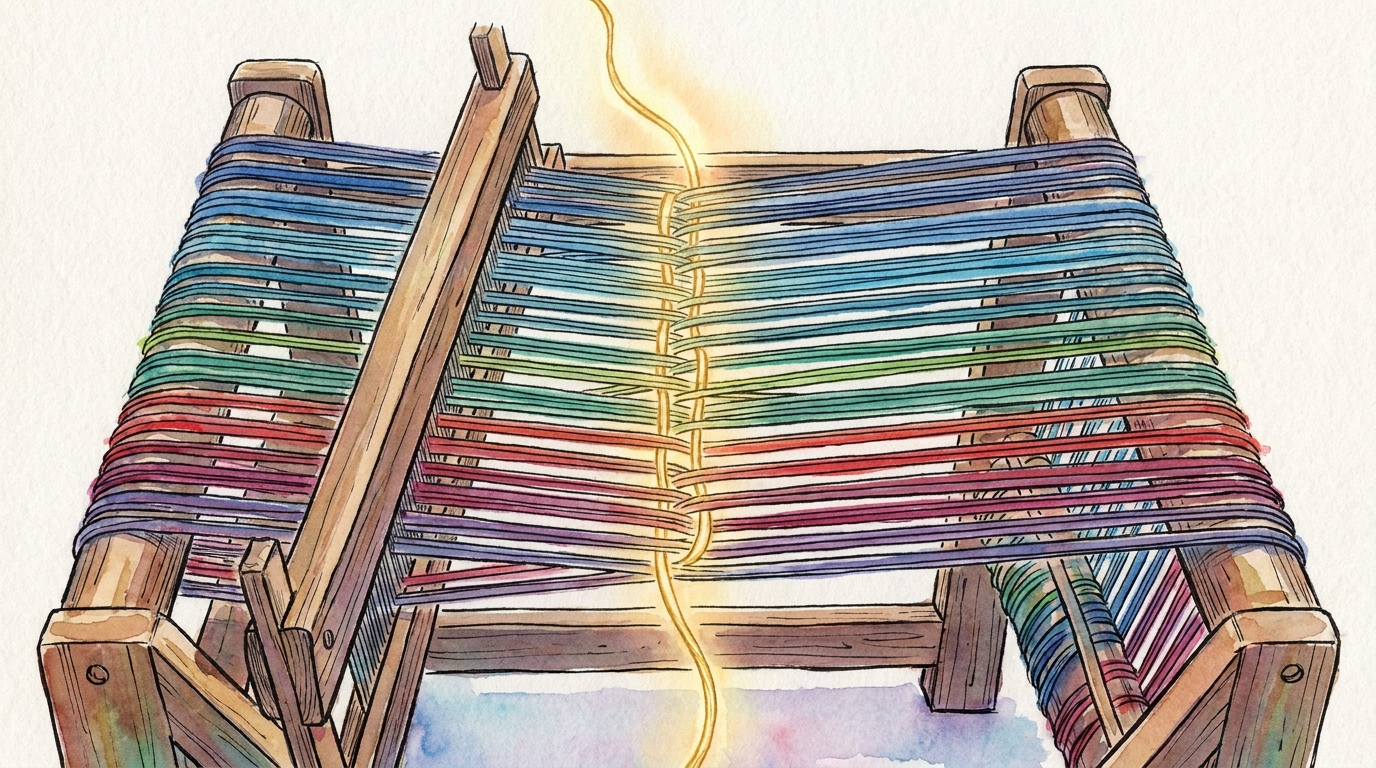
Most writers confuse subject with theme. Subject is what the story is about. Theme is the question it refuses to stop asking.
“My story is about grief” isn’t a theme. It’s a filing cabinet category. The theme is closer to: does surviving loss mean holding on, or letting go? Every scene in your book is secretly auditioning for one side of that question.
The useful thing about theme is that you usually don’t know yours until you’ve written a draft. The story reveals it. But once you see it, you can use it surgically — every subplot, every secondary character’s belief, every recurring image is your theme in disguise.
The clearest signal your theme is working: your antagonist is right. They’ve answered your story’s central question and landed on the opposite side from your protagonist. When that’s true, the conflict is structural. Readers feel the weight without being told what to think.
Exercise: Open your draft and write one sentence: “My story is a question about ___.” Fill the blank with a verb construction — whether, how, when. Then find 3 scenes where a character’s action answers that question, even if they’re answering it wrong. If you can’t find 3, your theme isn’t woven in. It’s sitting in a drawer.
Writing Academy has courses covering structure, character, and craft at every stage. If you want to build stories that hold together from the inside out, the novel writing collection is a good place to start: Novel Writing at Writing Academy.