The Refusal That Reveals Your Character
A refusal only bites when part of the character wants to say yes.
Most writers write refusals as arguments. Tempers flare, voices rise, doors slam. Fine, but forgettable. The scene that stays with readers is the one where a character says no to something they want.
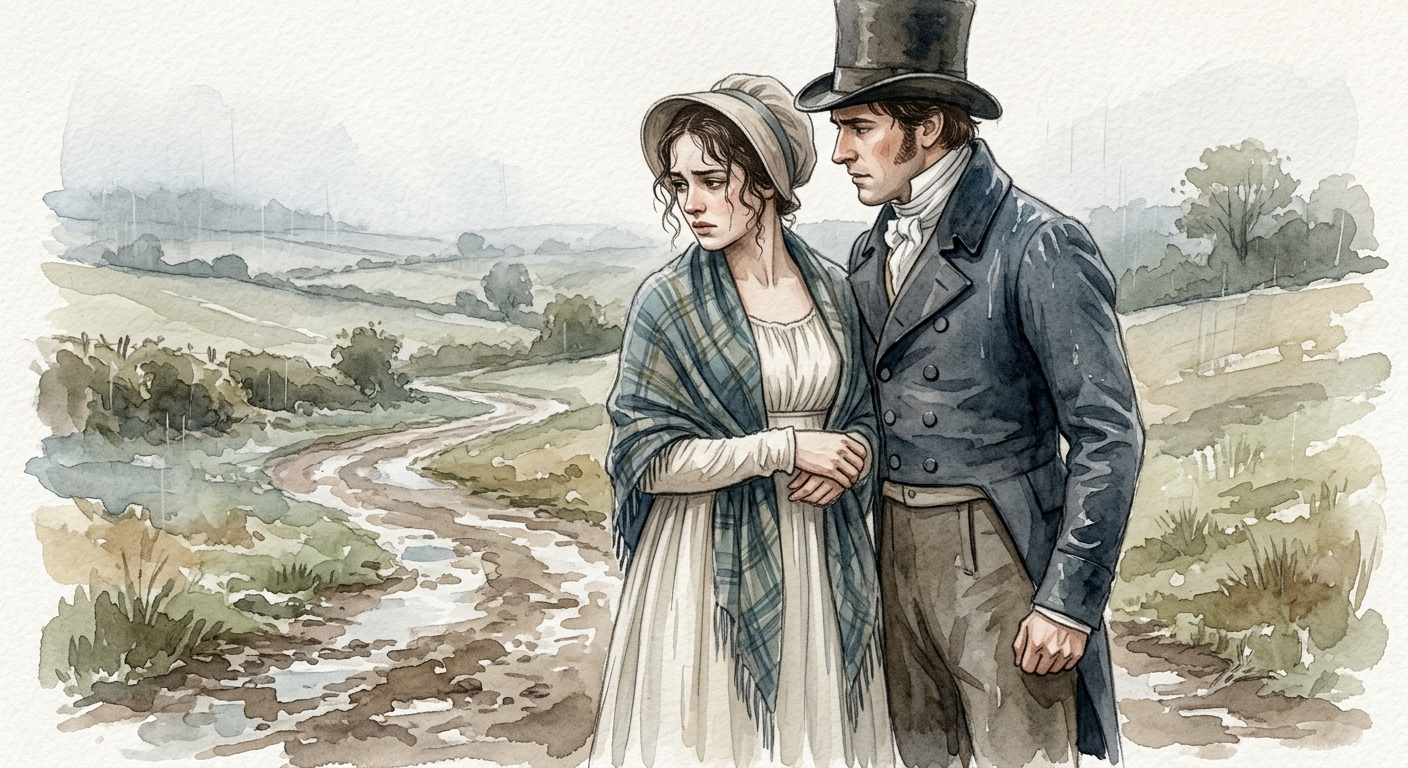
Pride and Prejudice builds its entire third act on Darcy’s first proposal. He offers Elizabeth everything her mother ever wanted for her, and she turns him down in the rain. Her pride and her family and her empty purse all come down to one word. No. She may already feel the pull of him, and that’s what makes the refusal hurt. A no from someone who wants nothing is a plot beat. A no from someone who wants it badly is a character revealed.
The same mechanic works outside romance. A detective turning down a case she needs. A son refusing the loan that would save his business. When the refusal costs the refuser something, the reader leans in.
Find the last scene in your draft where two characters want opposite things. Whatever the refusing character says out loud, give them one sentence of visible temptation. A hand held a beat too long. A second glance at the check on the table. Then let them refuse anyway, coldly. That single flash of wanting makes the no land twice as hard.
Continue your writing journey