The White Space Is the Bridge: How to Cut the Dead Weight Between Scenes
Most writers are terrified of the gap between scenes. So they build little bridges. “She drove home, made dinner, watched some TV, and went to bed. The next morning…” Three sentences of nothing to get the reader from Tuesday to Wednesday.
Cut all of it. The white space is the bridge.
Readers are smarter than we treat them. End a scene the moment its job is done. Drop a blank line. Start the next scene already in motion: a new place, a new problem, the next thing that matters. The reader’s brain fills the gap faster than you could ever narrate it.
What matters is the line on either side of the cut. The last sentence of a scene and the first sentence of the next are the two most-read sentences on the page. Use them. End on a decision, a question, an image that won’t sit still. Open on something that pays off the tension you just left hanging.
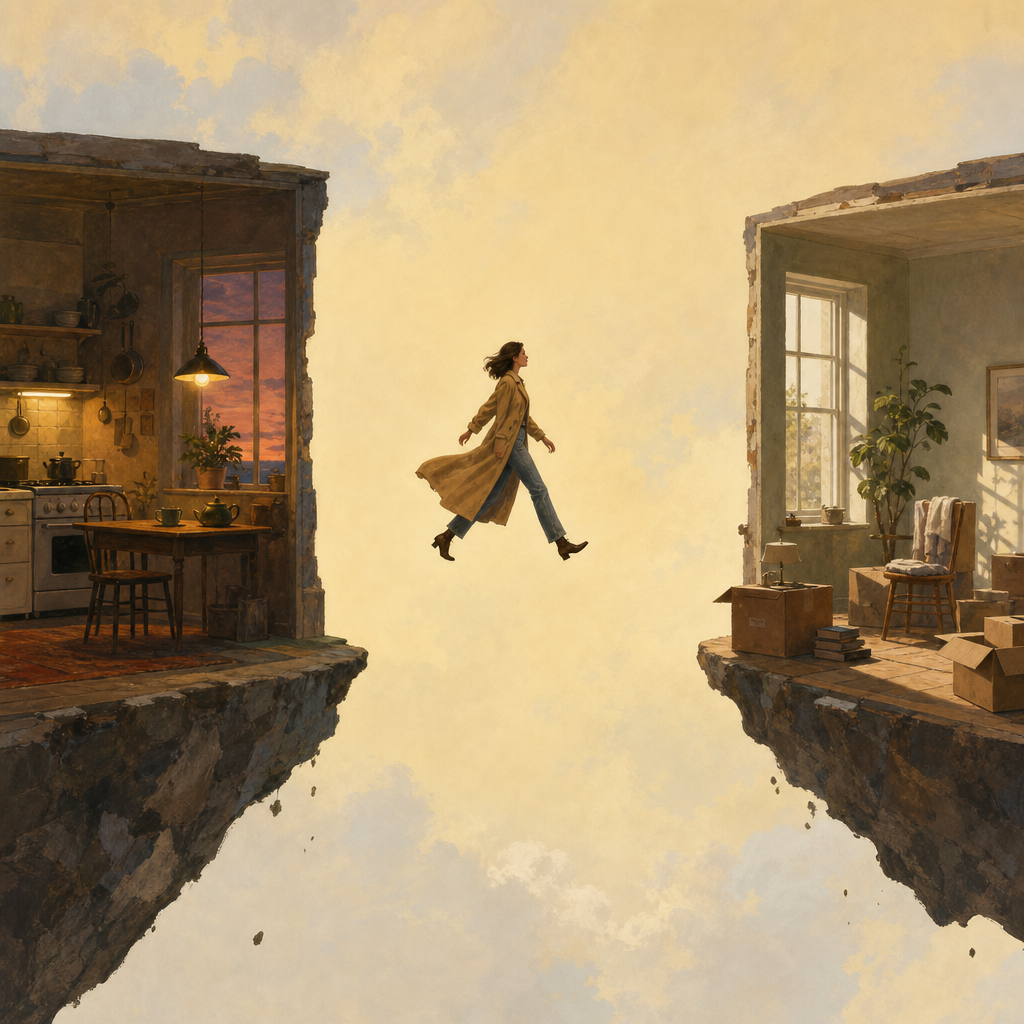
Joan Didion ends a section with a woman deciding to leave. The next opens three states away, unpacking boxes, no explanation. We didn’t need the drive. We needed the leaving and the arriving.
The exercise: open your draft and find every transition sentence, the ones that move a character between scenes through ordinary activity (driving, eating, sleeping, “later that day”). Highlight them. Delete each one and replace it with a blank line. Read the two sentences that now touch across the gap. If the jump confuses you, you cut in the wrong place. If it’s seamless, you just removed dead weight your reader was skimming anyway.
Continue your writing journey