Two Seconds of Story, Two Pages of Prose
Somewhere in your draft is a handshake, an answered phone, a key turning in a lock. Two seconds of story. And it’s eating two hundred words.
Every scene runs on two clocks. Story time is what happens inside the world. Page time is how many words you spend on it. Readers don’t track the first one. They track the second.
To a reader, dwelling means importance. Spend two pages on a transaction and you’ve told them it matters. Spend three sentences on the confrontation and you’ve told them to skim it.
Usually the sprawl is orientation leaking in: the room layout, who’s standing where, what someone is wearing, all crammed into the middle of the fast moment. The clock stalls, and thirty seconds crawl by in slow motion you never asked for.
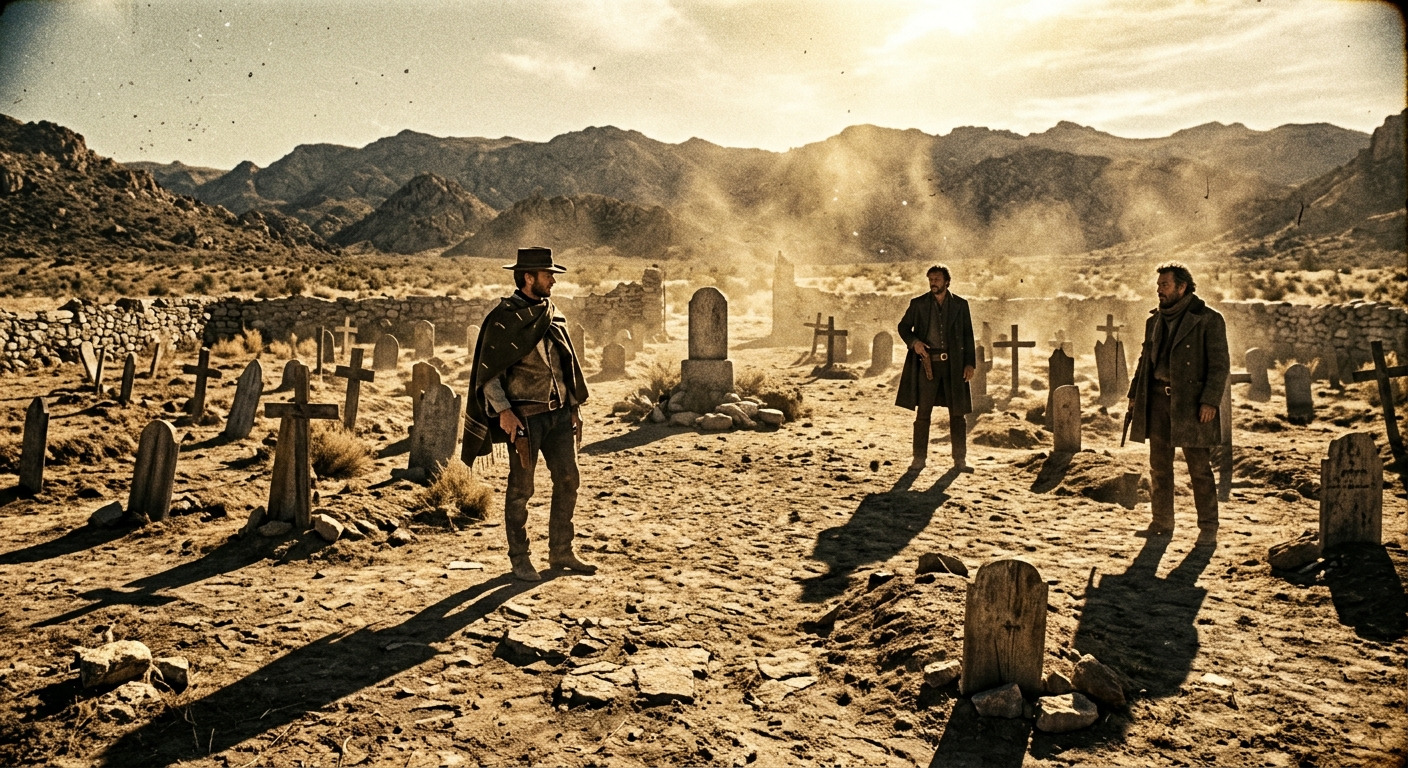
Done on purpose, dilation is one of the best tools in the kit. Lee Child writes fights that last four seconds and spends a full page on them, and your pulse knows it. The Good, the Bad and the Ugly stretches a one-second gunfight into nearly five minutes of screen time. Nobody calls those scenes slow. They call them tense.
Slow time deliberately, and compress it deliberately. The only unforgivable version is accidental.
Take the last chapter you wrote. List its five fastest story-events: the handshake, the call, the glance, the door, the signature. Count the words each one gets. Then count the words your biggest moment gets. When a two-second transaction outweighs the scene the chapter is built around, you’ve found your revision: pull the orientation out of the fast moments and deliver it before they start. Save the slow motion for the seconds that earn it.
Continue your writing journey