What Your Characters Do When Nobody’s Watching
Most first drafts are full of sentences that tell us what characters are like. “She was generous.” “He was stubborn.” Those sentences do zero work.
Character lives in what people do when nobody’s watching. The reader needs to infer the trait from behavior, not receive it pre-labeled. That’s the difference between a character who feels real and one who feels described.
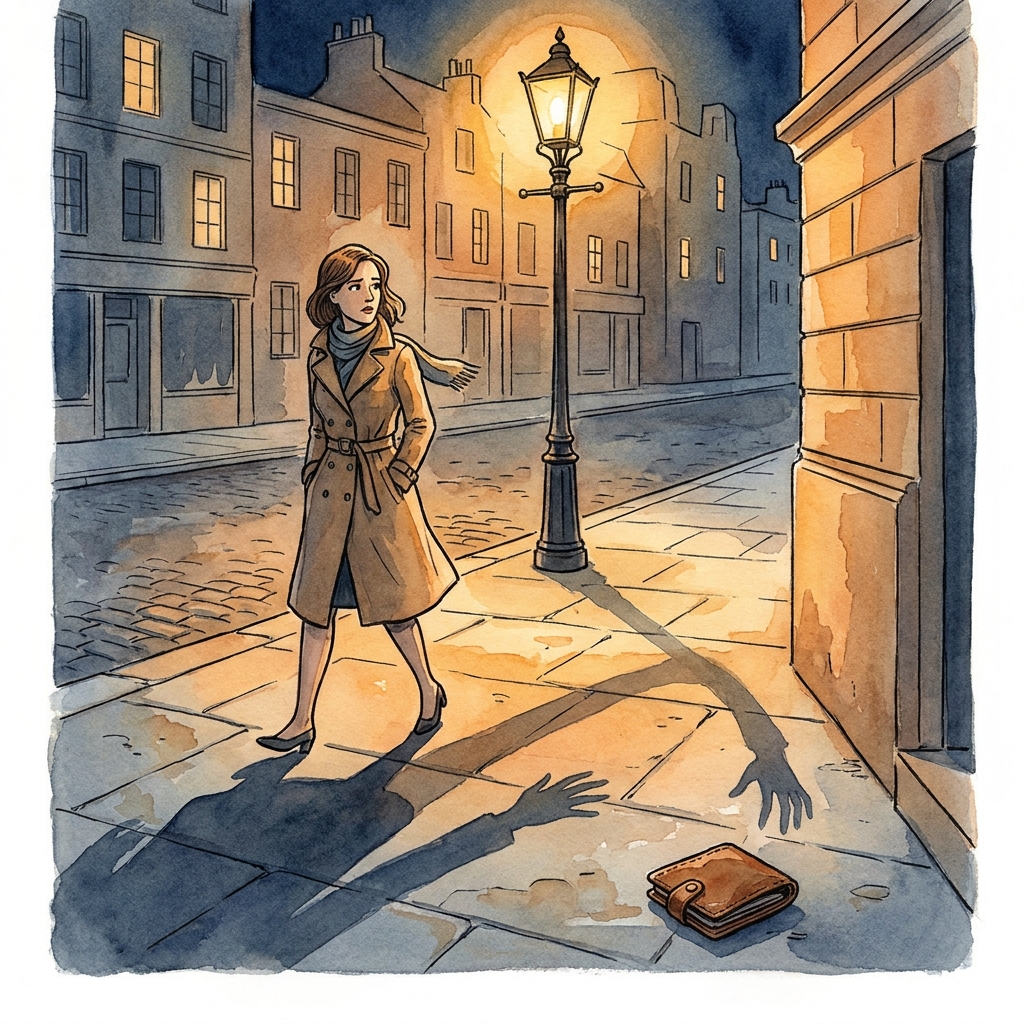
Small choices reveal character faster than big dramatic moments. How your protagonist treats the waitress who got her order wrong. Whether she returns the extra twenty the cashier handed her by mistake. Whether she admits a mistake when a lie would be easier and nobody would ever know.
Big confrontations are actually less revealing; behavior under extreme pressure is expected. Of course the hero fights harder when her life is threatened. But what she does when the stakes are minor and no one is watching? That’s character.
I’ve read thousands of student manuscripts. The ones where characters feel flat almost always have the same problem: the writer describes who the character is, rather than showing who the character chooses to be.
Exercise: Open your manuscript to your protagonist’s first scene. Write down the 2-3 most important traits you want readers to understand about her by page 50. Now scan that scene: does she make any choices—large or small—that demonstrate those traits through action? If those traits only appear in narrator description, or in other characters saying them aloud, find or write one moment where a decision reveals what you’ve been telling us. It doesn’t need to be dramatic. It needs to be specific.
Continue your writing journey