All Your Characters Sound Alike
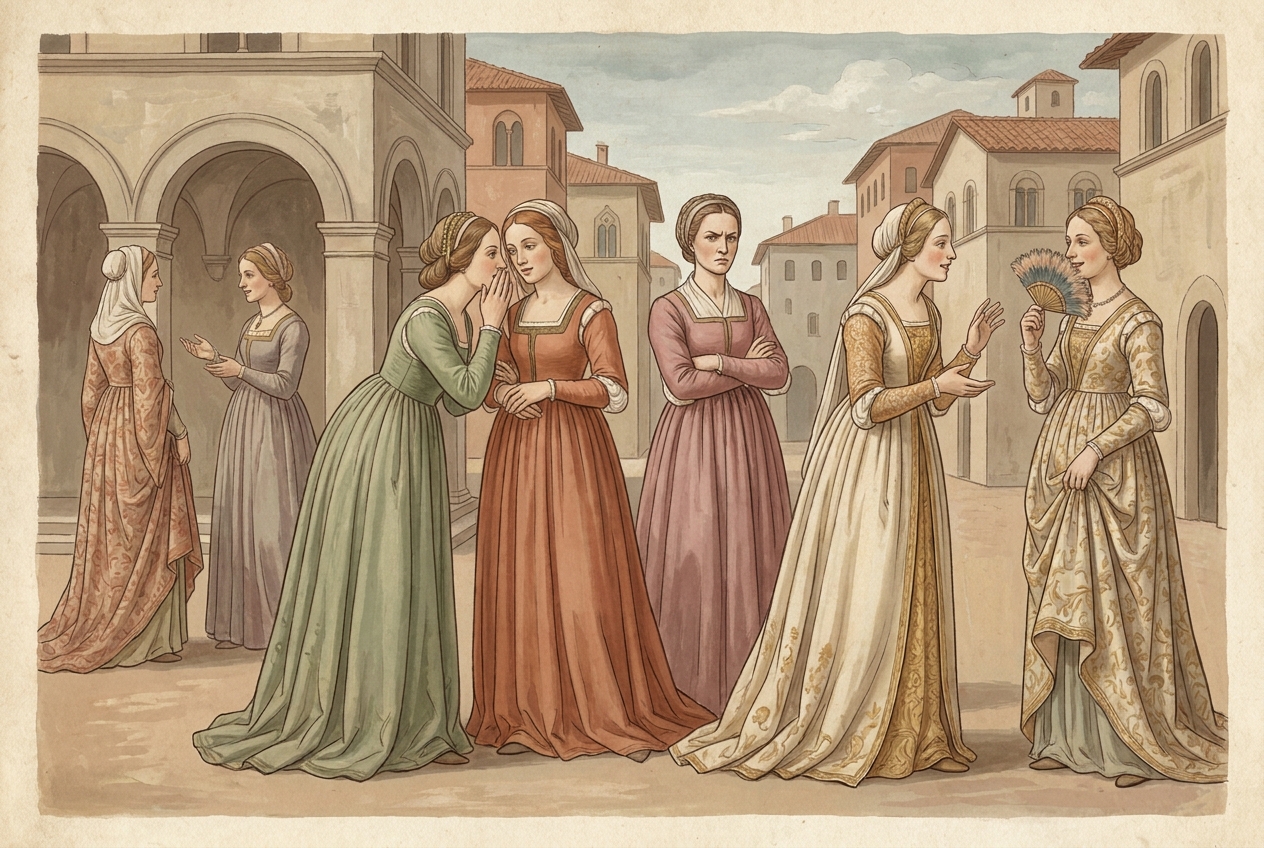
Cover a character’s name in your manuscript and read the line aloud. If you can’t tell who said it, you have a voice problem.
Most characters in most drafts talk the same way. Same vocabulary, same sentence length, same rhythm. Swap the names and nothing changes. The dialogue moves plot information from A to B, but it does zero character work.
Real people are wildly different talkers. Think about your own life: the aunt who answers every question with another question; the coworker who never uses more than four words; the friend who circles back to something she mentioned twenty minutes ago, as if the conversation never moved.
Characters need those same fingerprints. A trauma surgeon doesn’t describe a car crash the way a landscape painter does. Not because of jargon—because of what they notice first. The surgeon sees mechanism of injury. The painter sees the way broken glass catches the streetlight. Vocabulary exposes priority.
Pick a two-character scene in your current draft. Strip every tag and name. Read it cold. If both speakers sound interchangeable, give each one a verbal habit: a pet phrase, a sentence-length default, a topic they always drift toward. Rewrite with that constraint. You’ll find the dialogue starts doing work the narration used to handle alone.
Continue your writing journey