Most Chapters Give Readers Permission to Put the Book Down
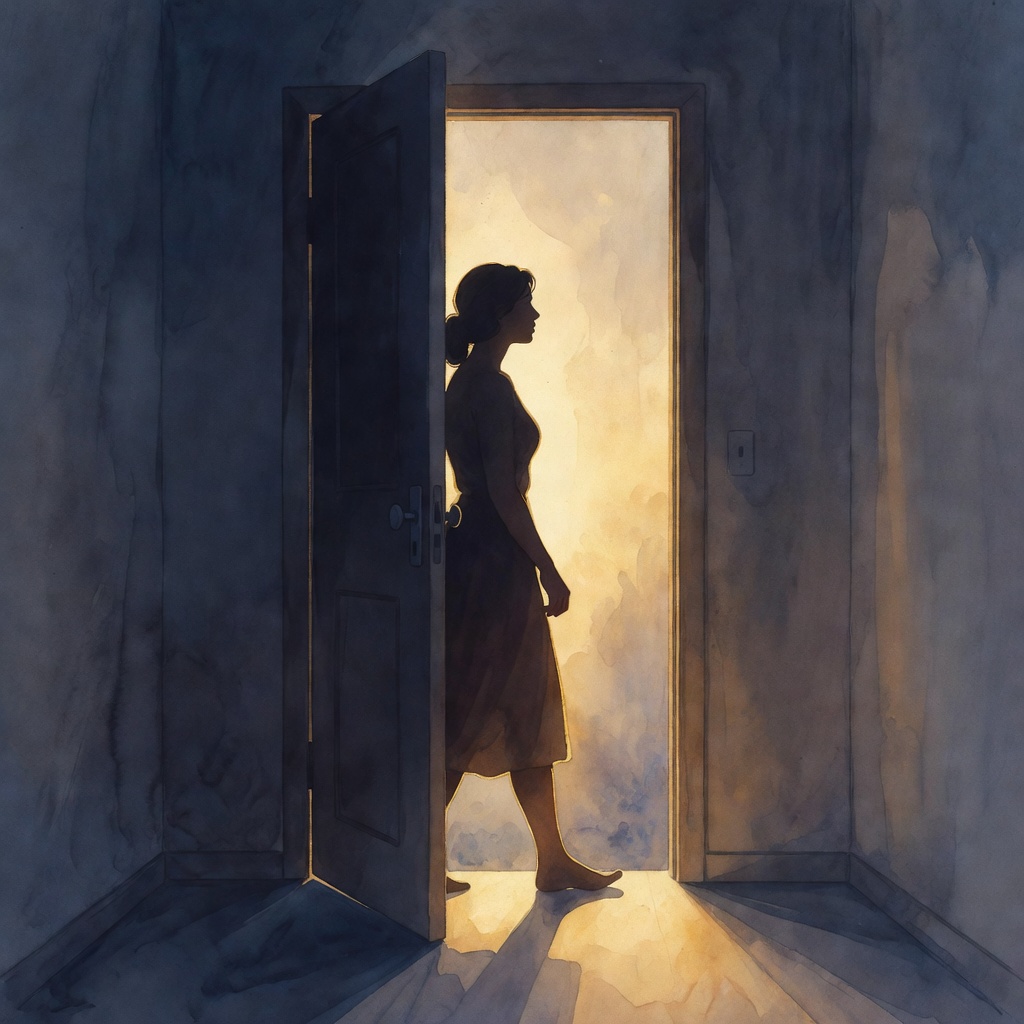
Most chapters end too quietly.
The writer finishes a scene, wraps it up cleanly, and moves on. Readers set the book down.
A chapter ending has one job: make setting the book down feel like a small act of self-harm.
The tool is an open loop—a question the reader’s brain can’t close. But “she heard footsteps on the stairs” is a cheap one. Readers know you manufactured it. They don’t trust it.
The open loops that work are emotional. “She realized, too late, that she’d wanted him to leave” closes a plot question (did he stay?) while opening a character one (what does she actually want now?). The reader can’t unknow that.
Here’s what I’ve found after 25 years of reading student manuscripts: chapters don’t end weakly because writers lack craft. They end weakly because writers feel obligated to resolve things. A chapter feels complete, so they write “She went to bed” and stop. But completion is the enemy of forward motion.
Your chapter can end mid-scene. It can end with a question left unasked. It can end with a character making a decision whose consequences won’t land for 20 pages. The reader just needs to feel the hook—not understand it fully.
The exercise: Open your manuscript. Go to the last line of your three most recent chapters. Read each one aloud and ask: does this sentence open a loop or close one? If it closes one, cut backward to the last line that doesn’t fully resolve. Try ending there instead. You’ll likely find it 2-5 sentences before where you stopped.
Continue your writing journey