Most Short Stories Are Really Chapter One of a Novel
Most writers treat short stories like compressed novels. The form has a single job: show one moment of irreversible change.
A novel carries multiple characters, intersecting problems, a web of subplots. A short story can’t. The only territory is one crack in a life, and what fell through.
The student stories that don’t work share the same flaw: they’re chapter one of a novel. They introduce a protagonist, establish conflict, hint at backstory—then end because the writer ran out of space, not because the story found its conclusion.
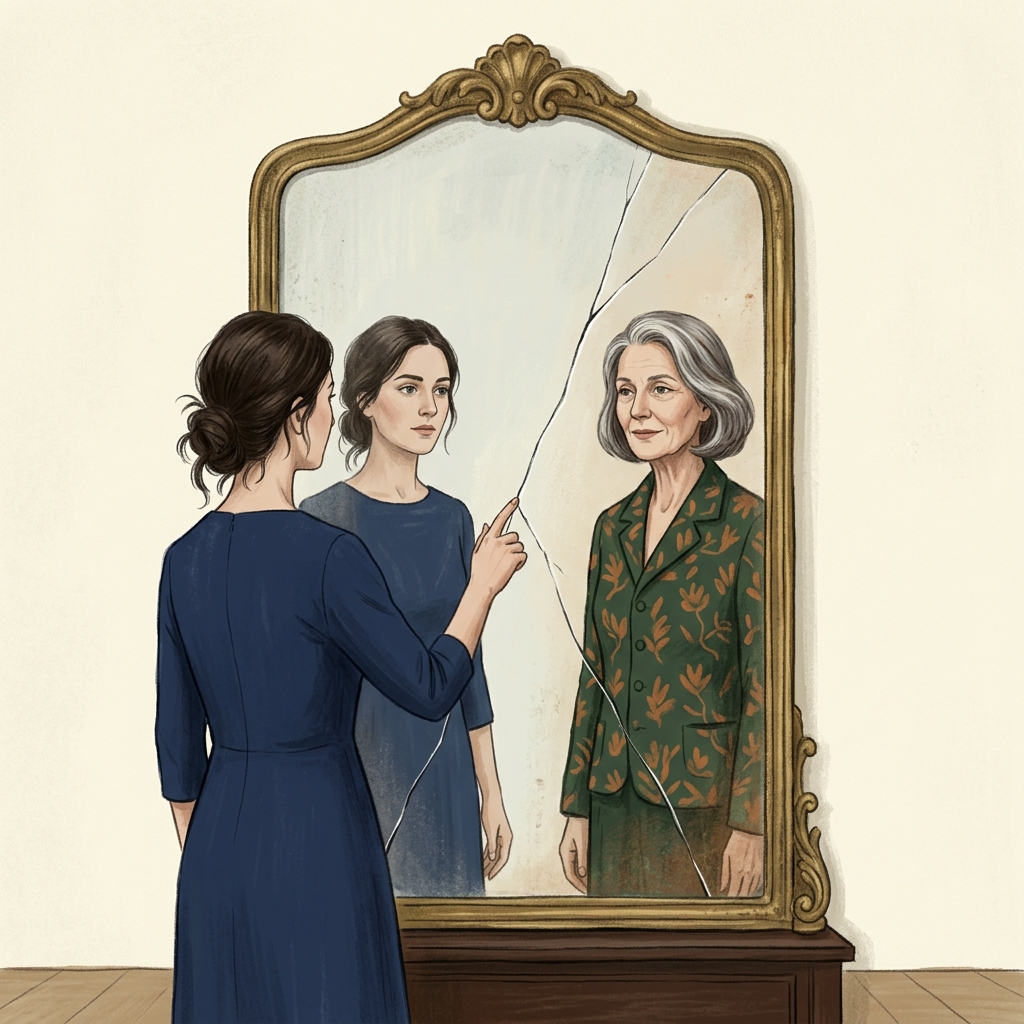
A short story’s ending must feel inevitable from the first paragraph. The opening image should contain, in compressed form, exactly what the ending pays off. Not foreshadowing—something closer to a rhyme.
My test: can you say in one sentence what changed? Not what happened—what changed? If the answer is “a lot” or “you’ll see,” it’s not a short story yet.
Exercise: take your opening image and ask what its mirror looks like at the end. If they don’t rhyme, you haven’t found the story.
Open your draft and write down your first image—the specific object, action, or moment on the first page. Then write down your final image. Read both out loud and check whether the ending transforms something established in the opening: same object, different meaning; same gesture, different weight. If the ending could belong to a completely different story, the shape isn’t found yet—rewrite the final image until it’s in direct conversation with where you started.
This topic is covered in depth in our Short Story Writing course.