“Three Weeks Later” Doesn’t Work
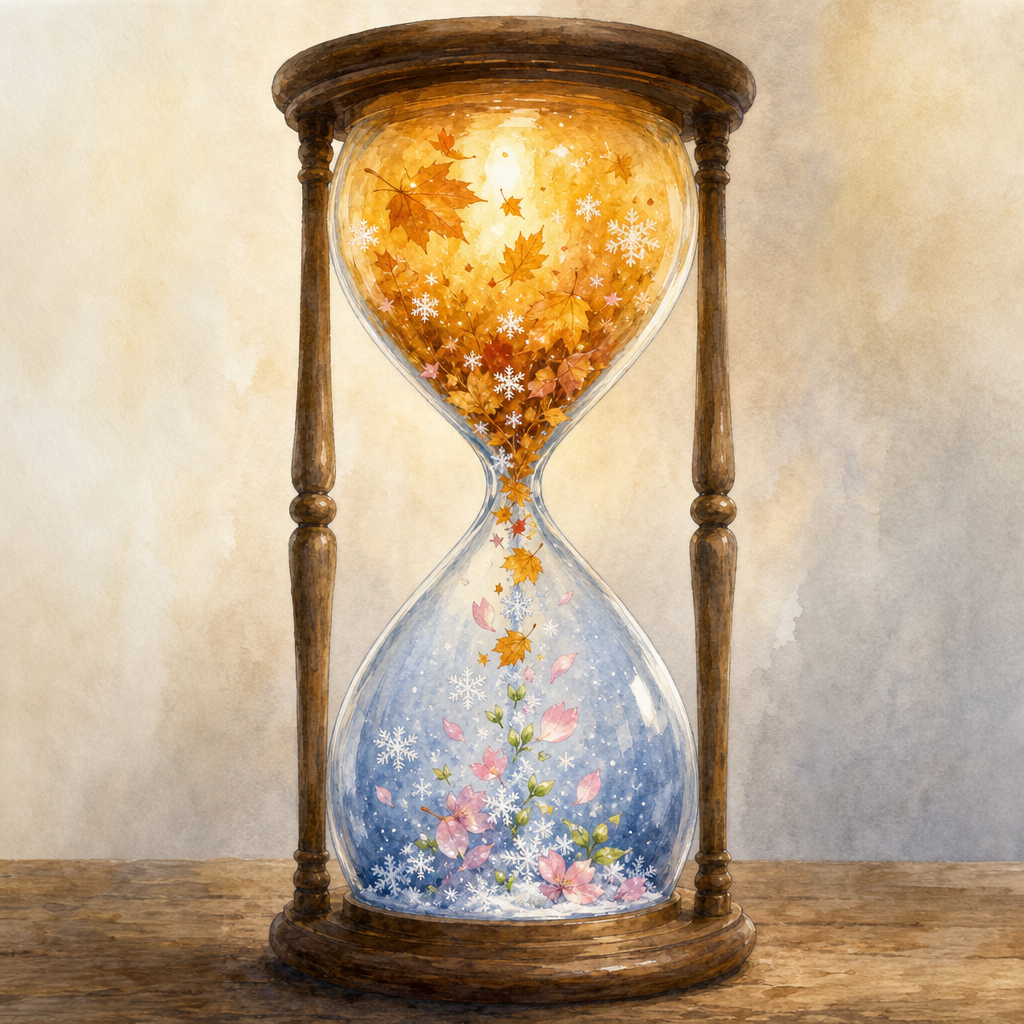
Most novels spanning more than a few days handle time the same way: a chapter ends Tuesday night, the next opens “Three weeks later, Sarah stood at the kitchen window.” The reader’s brain skips like a needle on a record.
Stories need gaps. A novel covering six months can’t account for every Wednesday. But “three weeks later” is a caption—it tells us time moved without giving us anything to feel. Compare: “Sarah’s cactus had bloomed and died since she’d last opened that drawer.” Same gap; the reader inhabits the elapsed time because an object carried it.
When you jump forward, change something physical. A season, a haircut, a lease that expired. Let the reader see evidence instead of reading a timestamp.
When should you skip at all? Stay in the slow moment when tension is building. The protagonist waiting three days for test results? Those days are the story. Skip to the results and you’ve stolen the anxiety your reader signed up for.
Jump when staying means filler. If nothing in the gap tests your protagonist, cover it with white space and one concrete detail on the other side.
Open your manuscript and find every “later” and “the next morning.” For each one: does the next scene show physical proof time moved? If not, add one change the reader can see. Then ask whether you skipped past tension that belonged on the page. If you did, go back and write the wait.
Continue your writing journey