Your Characters Use Too Many Names in Dialogue
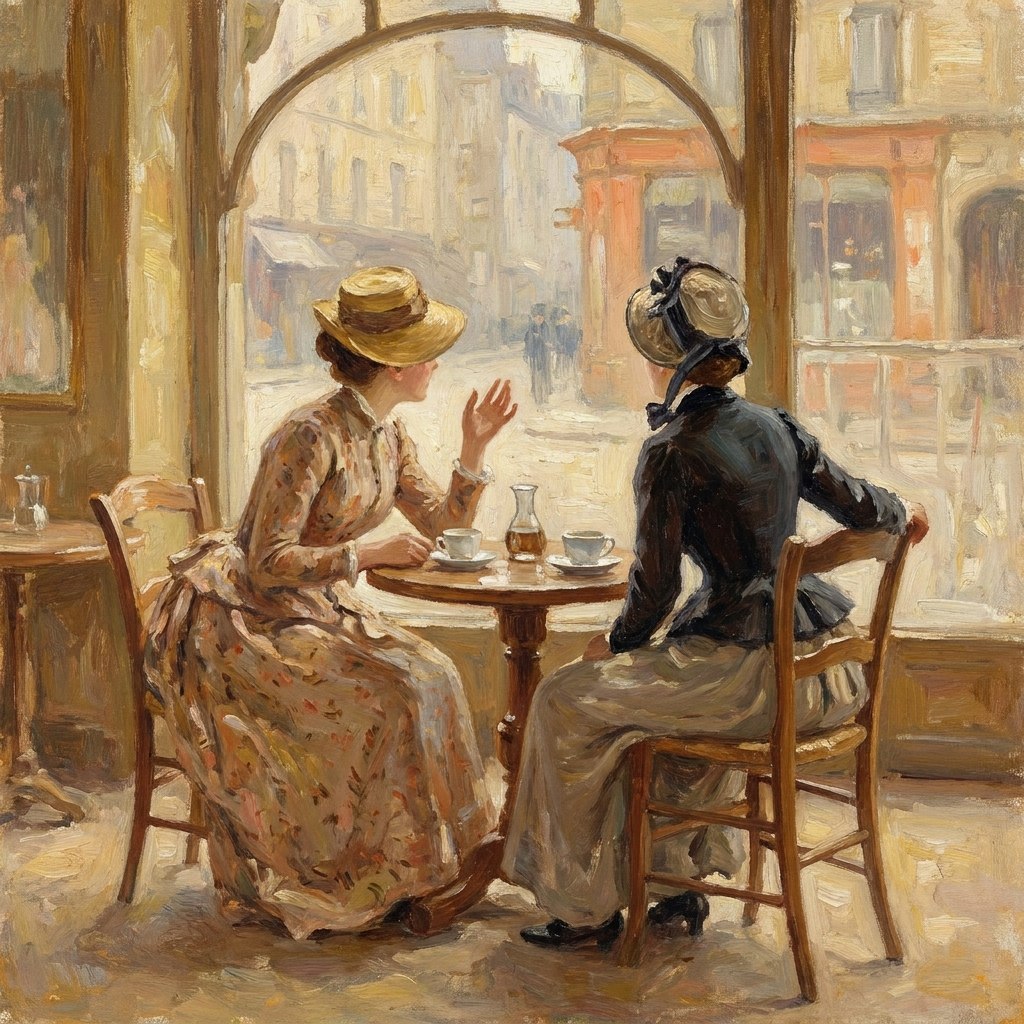
Most writers sprinkle character names into dialogue like salt. Automatically, without thinking, usually too much.
“Martin, I told you not to come here.”
“Why would you say that, Diane?”
“Because, Martin, you always do this.”
Nobody talks like that. Real people almost never use the other person’s name mid-conversation. They already know who they’re talking to.
But when real people DO use a name, the temperature changes. A name in dialogue is a precision instrument. A weapon, a claim, a warning, or a door closing.
“Martin.”
Just the name. And you felt something shift. Is she angry? About to deliver an ultimatum? The name alone did that work.
When a character who always calls someone “kiddo” switches to their full given name, the reader knows something has broken. When a stranger uses your protagonist’s first name for the first time, it creates instant intimacy or instant threat. Context decides which.
Names mark transitions. Use them when the relationship is changing, not when it’s stable. A name says “I’m choosing to address you directly right now, and that choice costs something.”
Open your current draft. Find every line where a character says another character’s name. Most of them are decorative. Cut them. Now look at what remains, the handful that survived. Those should be the moments where the relationship shifts: a first name used for the first time, a title dropped for something familiar, a name deployed as a weapon.
If you find more than three or four name-uses in a single conversation, you’re writing for the reader’s convenience, not the scene. The reader can follow who’s talking without signposts.
Continue your writing journey