Your Novel’s Ending Should Echo Its Beginning
Most novels end on the wrong image.
The plot resolves. The protagonist wins or loses or learns something. The last paragraph sums up what it all meant. And the reader puts the book down feeling informed. Not moved.
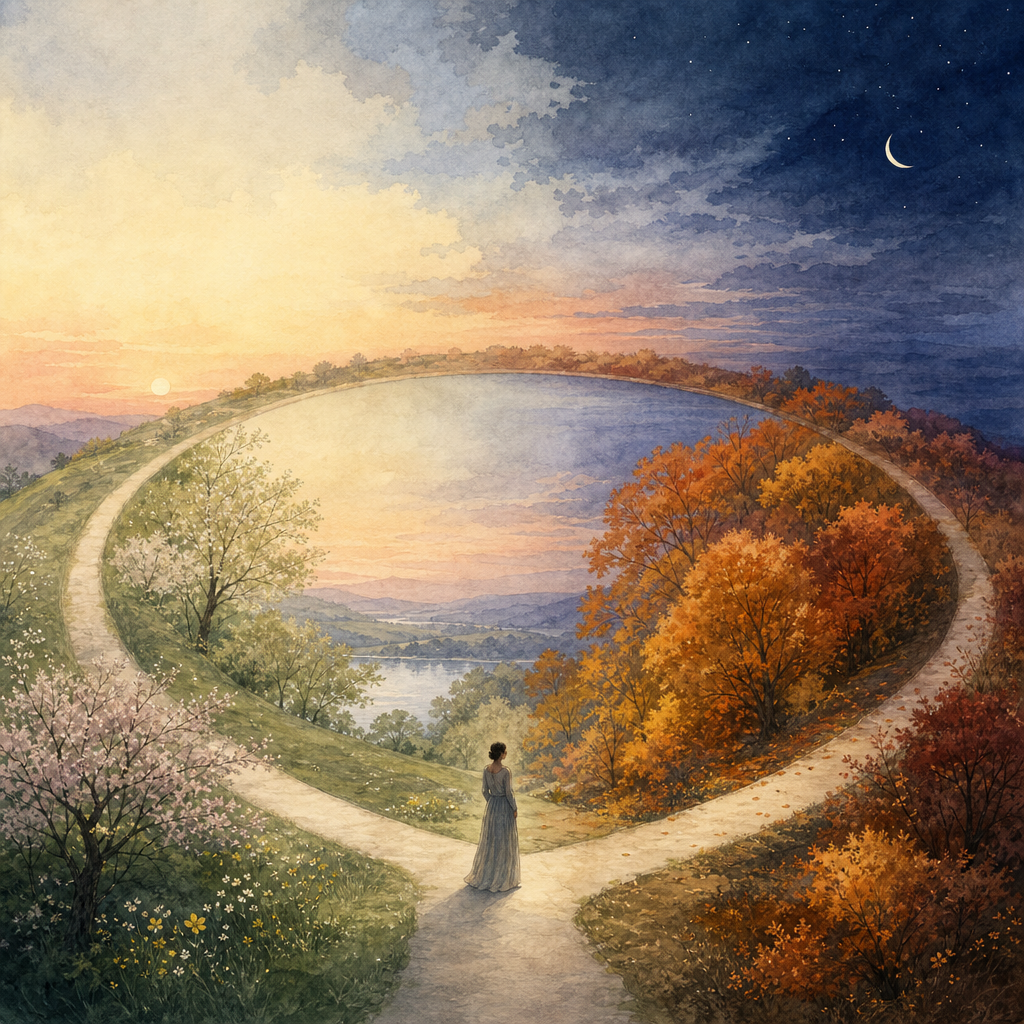
The fix is structural, and older than modern fiction: echo your opening.
Your first image and your last image should rhyme — same element, but altered by everything between.
Hemingway opens A Farewell to Arms with troops marching past in the rain. The book ends with Catherine dead and Frederic walking back to his hotel in the rain. Same detail, same spare sentences; completely different weight. He didn’t explain the shift; the echo carried it.
Short story writers get this instinctively; thirty pages make the symmetry hard to miss. Novelists lose it because 300 pages separate the two images.
Find the strongest sensory detail from your opening — a sound, a quality of light, a specific object. Plant it again in your final pages, changed by context. The reader registers the return even when they can’t name it.
Open your manuscript to page one and note the strongest visual or sensory detail. Now flip to your final chapter. Is it there in the last two pages, changed by what happened between? If not, you’ve found your next revision.
Continue your writing journey