Write the Night, Not the Decade
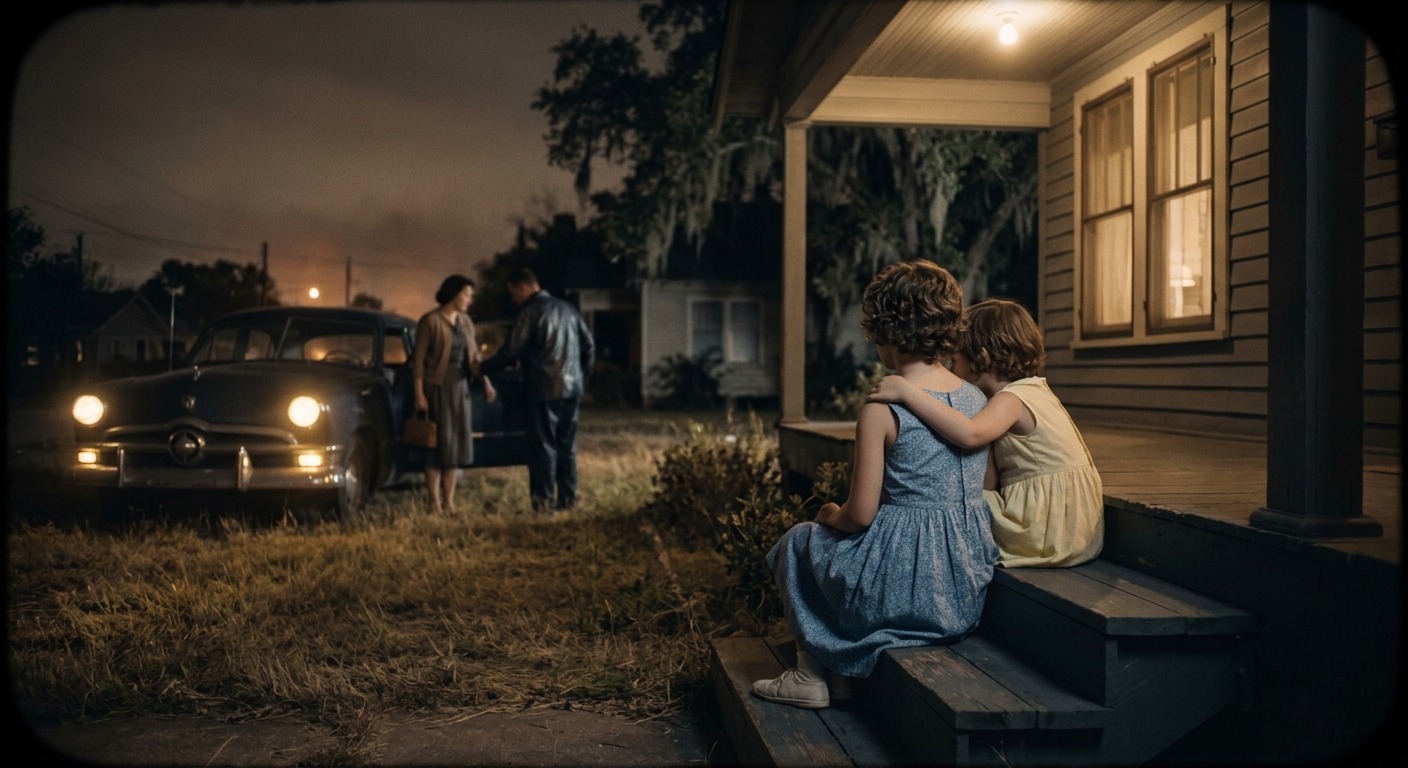
Mary Karr doesn’t open The Liars’ Club with her mother’s diagnosis. She opens on a night in 1961: a Gulf Coast refinery town, six-year-old Mary and her big sister Lecia on the porch steps, waiting while their mother is walked out to the car in the yard and taken away.
That scene is the memoir in miniature. Terror, confusion, love, filtered through two kids who can’t understand what they’re watching.
The summary of Karr’s childhood (mother with mental illness, father an oil worker, Texas heat) is accurate. It’s also a case file. Case files get filed. Nobody stays up reading one.
A memoir is built from nights. Decades are what the nights add up to.
The details belong to the child. Karr gives us what a six-year-old grabs: her sister’s arm, the porch step, the car idling in the yard. No diagnosis, no context, no “I would later learn.” The reader assembles the meaning the same way the child did, slowly, from the outside.
That gap is the engine. The child didn’t understand. The adult writing does. Let both live on the page and the reader stands inside the memory instead of reading a report about it.
So do this: find the event you’ve been calling your story. The divorce, the diagnosis, the year everything changed. Write it as one sentence, the case-file way. Then find the smallest single night inside it and list five things someone standing there would have seen, heard, or smelled. That list is your opening chapter. If chapter one reads more like the sentence than the list, you’ve found your revision.
Continue your writing journey