You Don’t Remember the Words. Write the Conversation Anyway
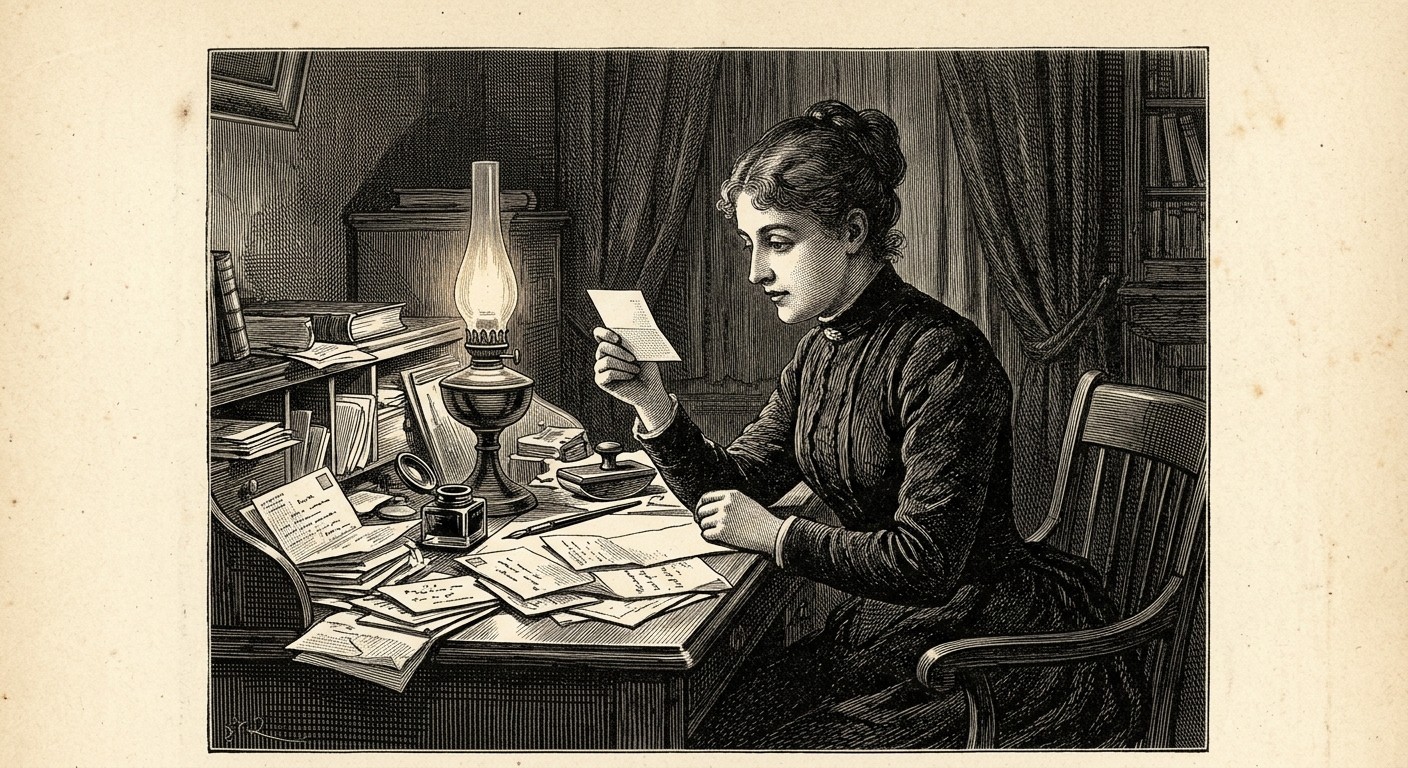
Every memoir writer hits the same wall: “I can’t write that conversation. I don’t remember what was actually said.” So they summarize it, and the scene dies on the page.
Memory keeps the shape of an exchange: who went quiet, who joked at the wrong moment, a mother saying something kind in a voice with no kindness in it. Readers want to recognize the person.
A student of mine was writing the call about her mother’s diagnosis. She remembered the nurse’s white sneakers, the vending machine, everything except the words. The sneakers carried more truth than invented dialogue would have.
I use one test: would the person who said it hear themselves in the line? If yes, write it as dialogue. When you can’t stand behind the words, put the gap on the page: “I don’t remember what he said. I remember the room went quiet.” Admitting the seams earns trust.
The line you can’t cross is dialogue that upgrades the story. Make yourself wittier or kinder or more right than you were, and you’ve drifted into fiction.
Erik Larson reconstructs dialogue in Devil in the White City from telegrams, letters, and newspapers; every line traces to a source. A memoirist has one archive: memory. Same standard.
Go back through your draft and find the conversation you shrank into summary. Write the dialogue you can stand behind, and where memory fails, write the failure: the sneakers, the vending machine. Read it aloud and run the recognition test on every line.
Continue your writing journey
#WritingCommunity #AmWriting #Memoir #MemoirWriting #Nonfiction #LifeStory