Your Characters Are All Nodding
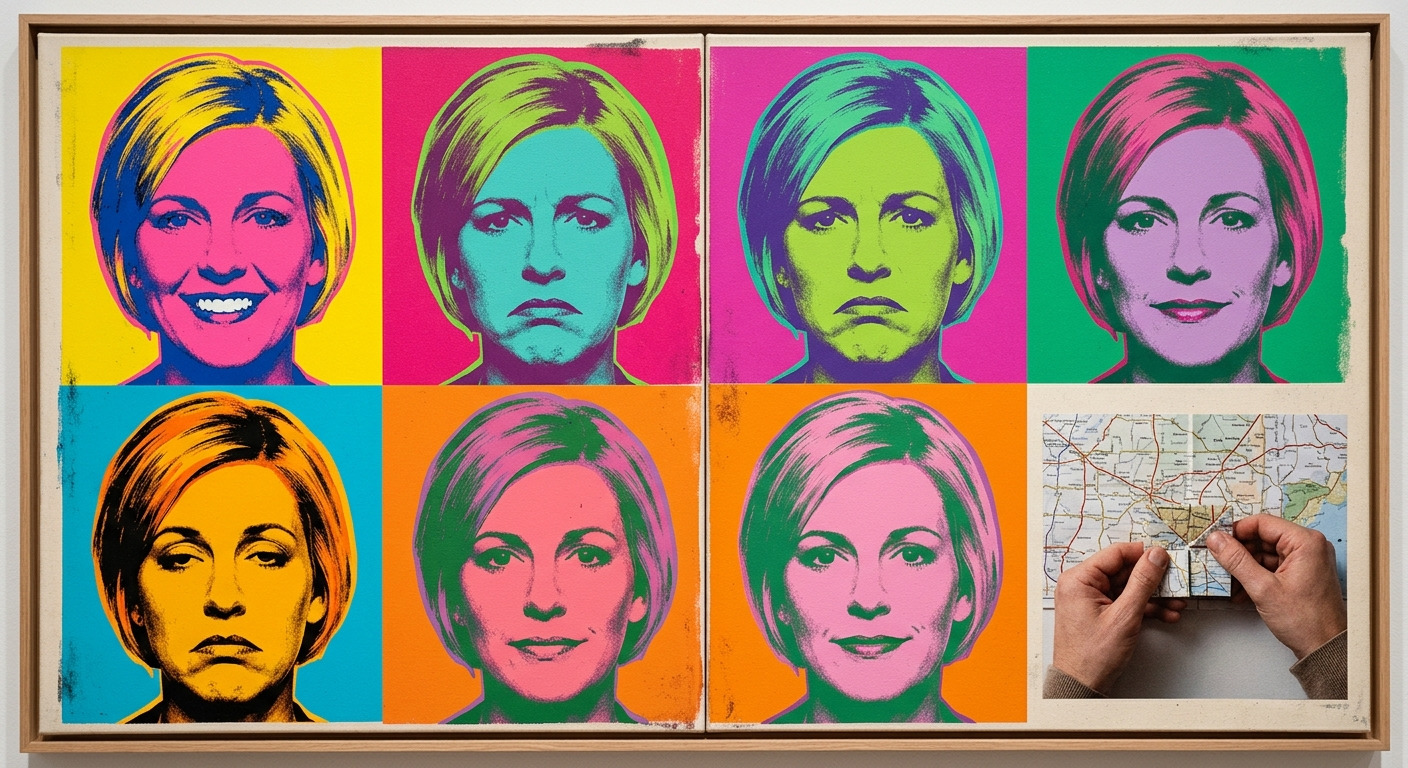
Nodded. Smiled. Frowned. Sighed.
Those four verbs quietly flatten more fiction than any clumsy metaphor. They’re not body language; they’re punctuation wearing a costume. And they multiply. Write one “she nodded” and forty of its cousins will follow.
The deeper problem: generic gestures describe the emotion instead of revealing the person. A frown is what anyone does when confused. You want the thing only your character does when confused.
Real people have a physical vocabulary. The man who checks his watch when he’s cornered. The woman who lines up her silverware when the talk turns personal. The teenager who agrees with everything while slowly zipping his backpack—the zipper is the sentence.
The best beats contradict the dialogue. “I’m fine” is nothing. “I’m fine,” she says, folding the map into smaller and smaller squares, is a whole argument. When the body disagrees with the mouth, readers believe the body. Subtext lives there.
Find the last dialogue scene in your draft and hunt the five verbs: nodded, smiled, frowned, sighed, shrugged. Every hit is a placeholder. Replace it with what that specific person actually does—you already know someone who unwraps a candy when nervous, who cleans when angry, who laughs at exactly the wrong moment. Steal it.
Then pick your highest-tension conversation and give one character a small action that quietly disagrees with everything they’re saying. Don’t explain it. Leave it there.
Continue your writing journey