Your First Chapter Is Starting in the Wrong Place
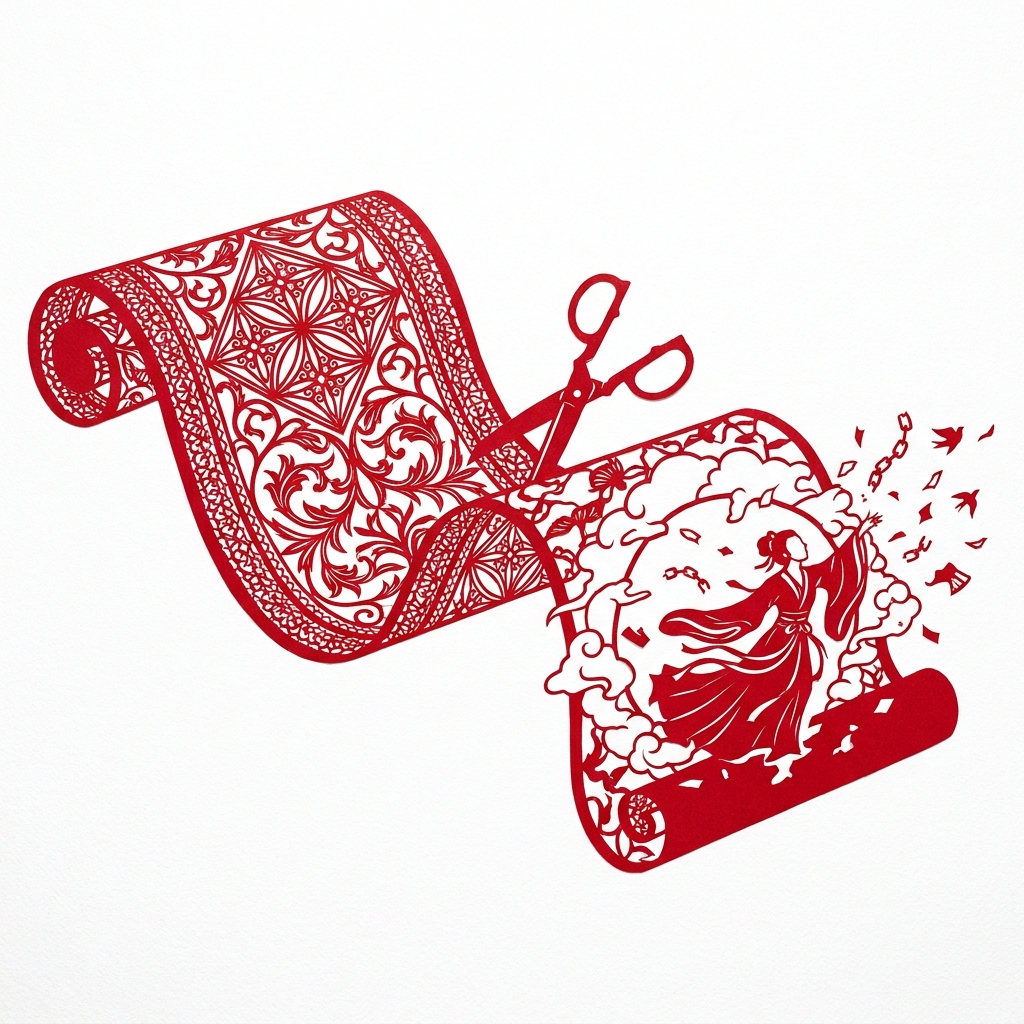
Most first chapters contain thirty percent story and seventy percent preparation. The writer is warming up—establishing the world, introducing the characters, setting the mood, building context. It feels necessary. It reads like throat-clearing.
The reader doesn’t need the preparation. They need the event. The thing that changes everything. The moment the protagonist’s ordinary world cracks open. That moment should be on page one, not on page fifteen.
The classic mistake is starting too early. Chapter one depicts a typical day in the protagonist’s life so the reader understands what’s at stake when things go wrong. But you don’t need a typical day to establish stakes. You need the disruption. The stakes are implicit in what the protagonist loses, what they fear, and what they fight for—revealed through action, not preamble.
Look at your first chapter. Find the first line of dialogue. Find the first conflict. Find the moment something irreversible happens. Everything before that moment is a candidate for the cutting room floor. You may need one or two paragraphs of grounding—a name, a place, a sensory anchor—but you almost never need three pages of morning routine.
Open your first chapter. Highlight the first sentence where something changes—the first conflict, the first surprise, the first moment the reader leans forward. That’s your opening. Everything before it goes. If you lost context, weave it into the first three paragraphs after the inciting moment. Readers need story, not setup.
Continue your writing journey